Expert warns upcoming 'Super El Niño' could seriously impact temperatures for rest of summer


A new El Niño appears almost guaranteed to roll around again this summer, but scientists and weather experts have issued a particularly frightening warning as they deem it to be a 'super' variant causing scorchingly high temperatures and extreme conditions in key parts the United States.
Meteorologists and scientists at organizations like NASA began to spot concerning data trends a few months ago which pointed towards the emergence of a new El Niño — a natural rise in Pacific Ocean temperatures that typically causes weather extremes across the globes.
The chances of this striking have only grown in the weeks and months following its first arrival, and many have deemed it to be a 'super' variant with a 63% chance that sea surface temperatures exceed 2°C above average later this year, as per the BBC.
This is expected to impact the wider world in a number of different ways, but even within the United States people will be hit with dramatically different weather conditions that aren't going to be nice to deal with regardless.
How will the El Niño impact temperatures in the US?
Most people associate the arrival of an El Niño with a rise in temperatures, but that's not necessarily the case for the whole of America as certain parts will face the brunt of heavy storms.
Advert
Southern states are expected to have to deal with wetter conditions in the Autumn, and while this could provide relief for areas that have been suffering from droughts in recent months, the extremity of the conditions could push things the other way.
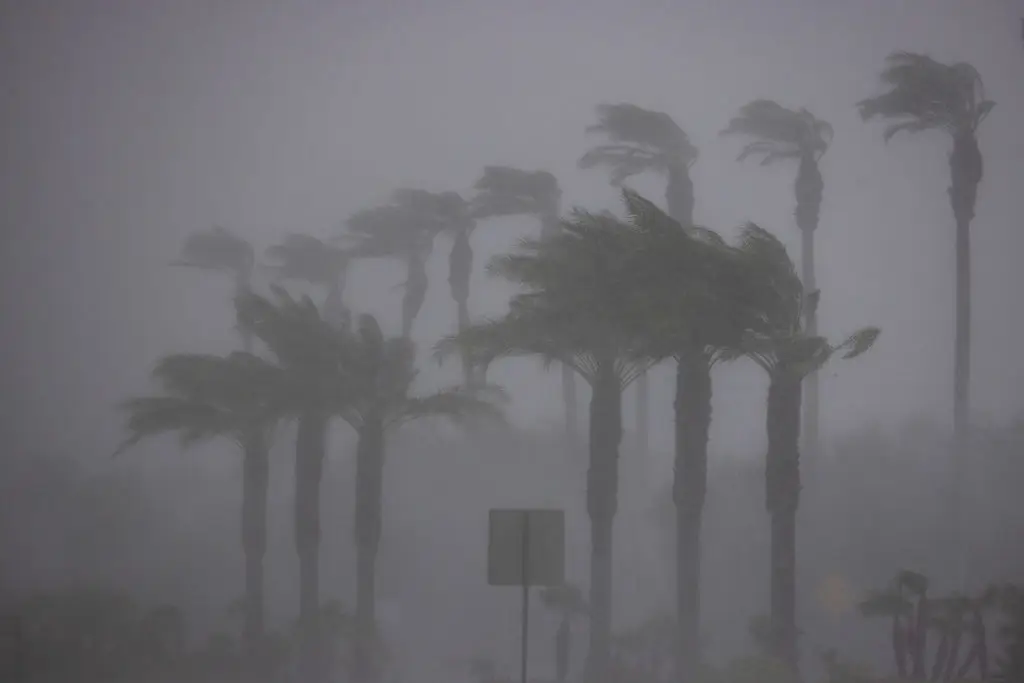
Nat Johnson, a meteorologist at the US National Oceanic and Atmospheric Administration's (NOAA) El Niño-Southern Oscillation forecast team, has predicted worrying conditions for areas in the south and west of the United States.
He predicts that the heavy rainfall will cause "an enhanced risk of flooding," with a rise in atmospheric rivers prompting extreme winds, "so that could be a threat, particular over parts of the US west coast later in the winter."
The same can't be said for northern America, however, as the El Niño is likely to cause temperatures to spike with dry conditions contrary to what you might be used to over the last few years.
"It tends to be warmer over the northern parts of the US and Canada and drier over the Pacific Northwest," Johnson explains, adding that "we also tend to have less snowfall over the northern Rockies."
Outside of the unpleasant and potentially dangerous weather, there is also the risk that temperatures and conditions could cause infectious diseases to spread through more favorable conditions for insects like mosquitoes.
Will the rest of the world be hit by the super El Niño?
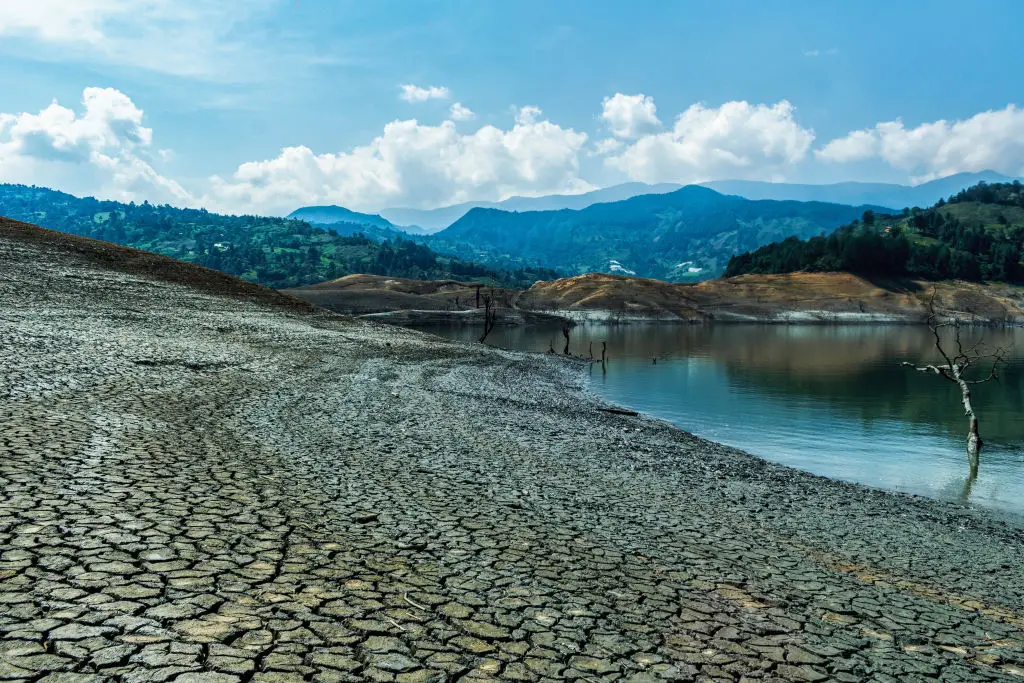
In general, areas close to the Pacific will experience wetter and windier conditions, whereas countries located towards the east will be hit by scorching temperatures and likely suffer from droughts.
This will have a significant impact on poorer nations that are already feeling the impact of food shortages following US military action in Iran, and could have the potential to trigger catastrophic famine if production is impacted as a result, with both workers and animals struggling to cope with the extreme conditions.
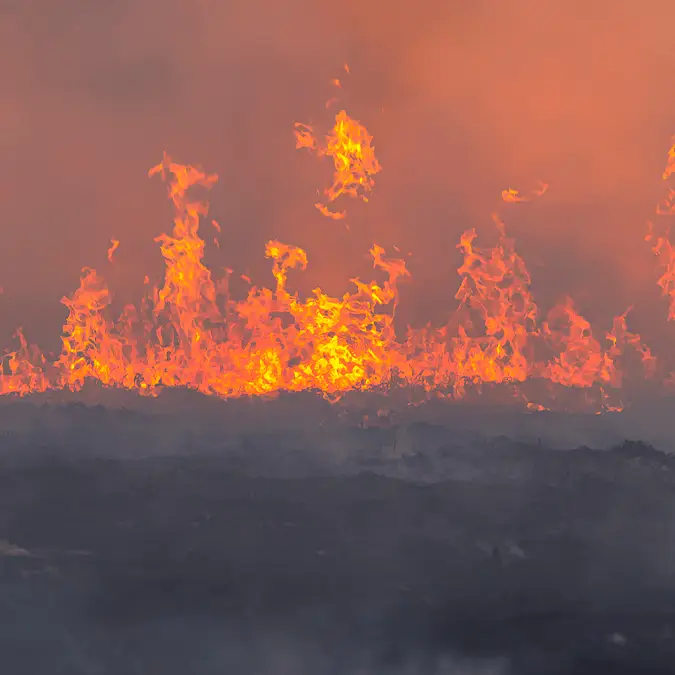
Drier conditions could also have the potential to trigger agricultural fires in combination with the heat in areas like Indonesia, putting peoples lives and livelihoods at risk.
While most of Europe has already been struggling from hotter-than-usual temperatures – with many countries recording record-breaking numbers for June – that increased warmth will continue and likely carry over into the spring of next year.