
How 'Super El Niño’ that has 80% chance of arriving could seriously drive up your grocery bill


The onset of a ‘super El Niño’ was officially confirmed earlier this week by the World Meteorological Organization (WMO) who warned that this could result in devastating conditions for vulnerable and unprepared communities worldwide.
This comes after the (United Nations) UN previously warned of a 91% probability Earth will cross a major climate threshold by 2030.
A clip shared to social media showed WMO Secretary-General Celeste Saulo discussing the potential repercussions, where she warned that the El Niño is expected to ‘influence weather and climate patterns around the world in the months ahead’.
Now, reports suggest that the potential ‘super El Niño’ could seriously drive up your grocery bill.
Advert
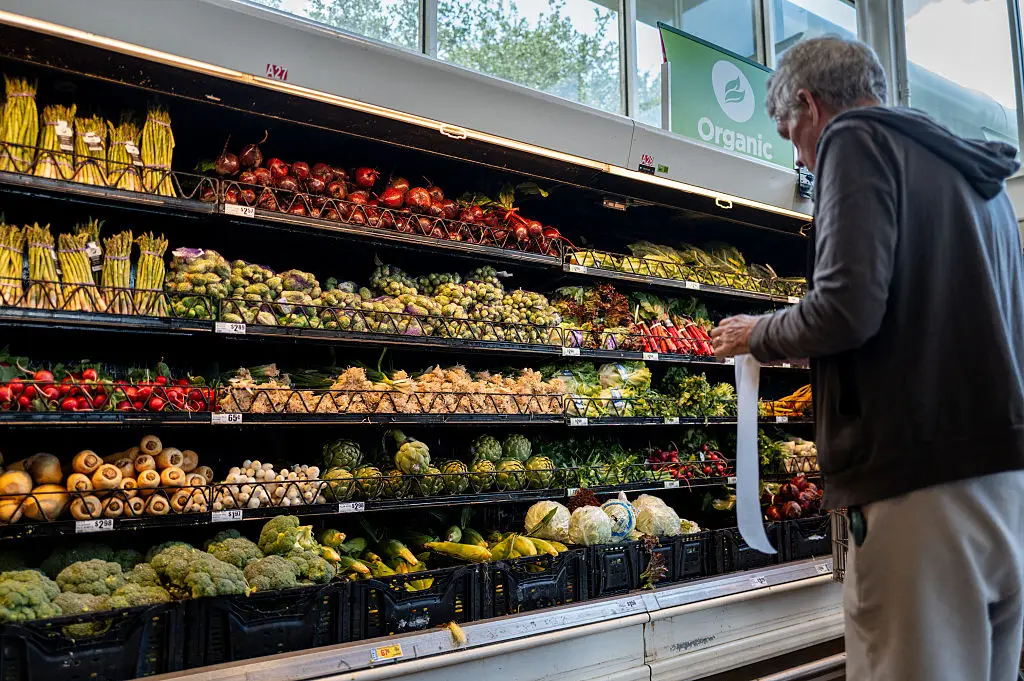
According to Reuters, the upcoming weather event indicates ‘price shocks of 10% to 50% across core commodities, with highly exposed crops, including rice, palm oil, sugarcane and coffee, potentially experiencing surges of 50% to 100%, or more’.
These price hikes could be set to hit various foods, making shopping for essentials more and more expensive.
Worryingly, new findings from the WMO suggest that we could be heading toward some of the world’s hottest years ever recorded.
UN Secretary-General António Guterres explained: “The science is clear: El Niño is arriving on our doorstep in the coming months with 90% certainty. The world must treat it as the urgent climate warning it is.
“El Niño conditions will pour fuel on the fire of a warming world. Impacts will hit even harder, travel even farther, and cross borders with devastating speed.
“The only effective response is climate action equal to the crisis - ending the addiction to fossil fuels, accelerating the shift to renewables, protecting the most vulnerable, and delivering early warning systems for all.”
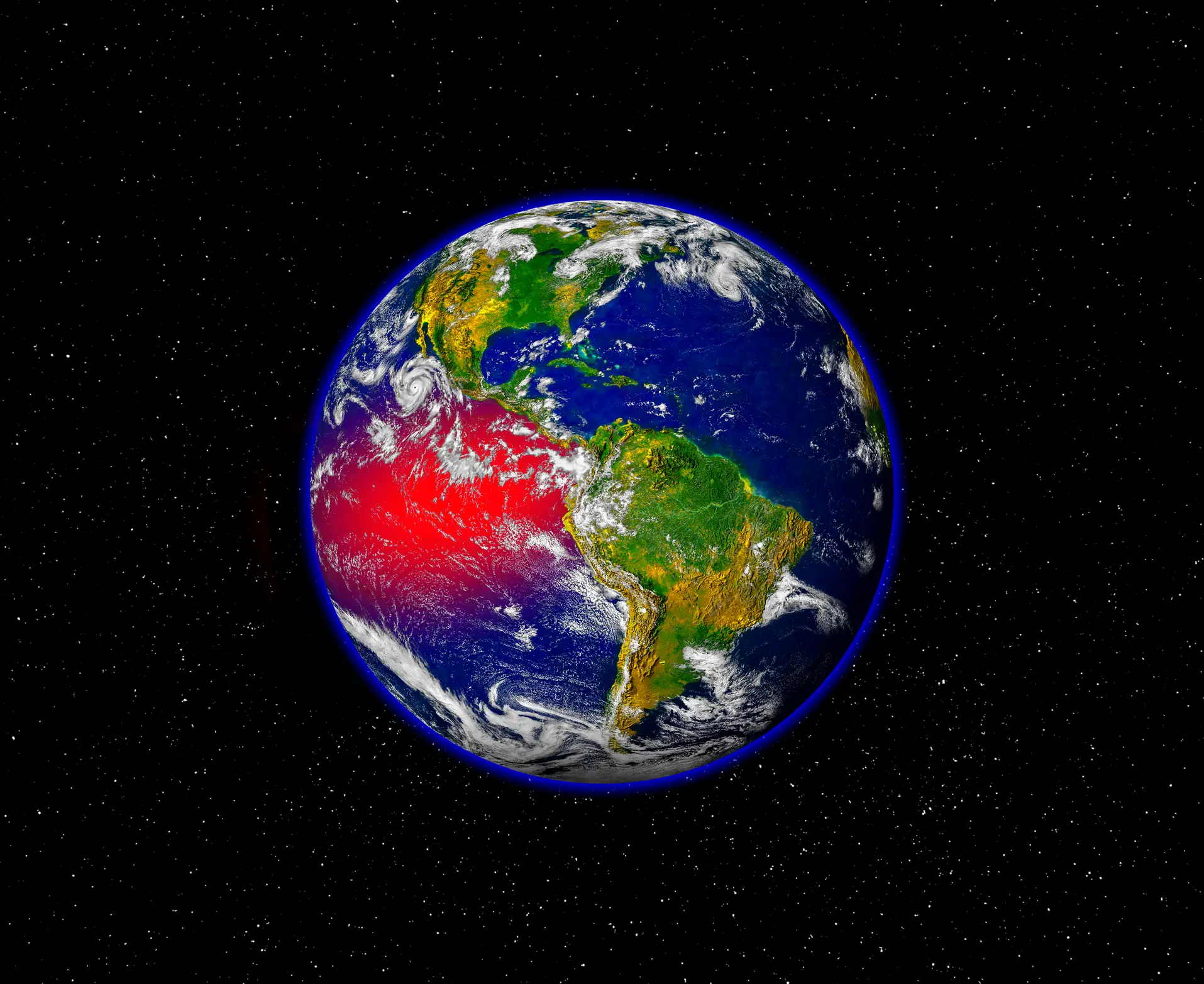
Leon Hermanson, who is the lead author of the WMO report, said that the prediction of an El Niño for the second half of 2026 ‘increases the chances of the following year, 2027, being the next record-breaking year’.
Experts warn the public that unless global emissions are drastically reduced in the coming years, record-breaking temperatures and increasingly severe climate extremes could soon become the new normal.
What is an El Niño?
An El Niño is a complex climate pattern involving the warming of sea surface temperatures in the central and eastern part of the Pacific Ocean.
When this happens it leads to knock-on effects with weather globally, including the shifting of rainfall patterns, leading to floods and droughts in certain areas.
El Niños have been classified for over 500 years, with the name actually originating from a Spanish fisherman who likened the weather event to the birth of Jesus Christ, as it typically happened around Christmas.