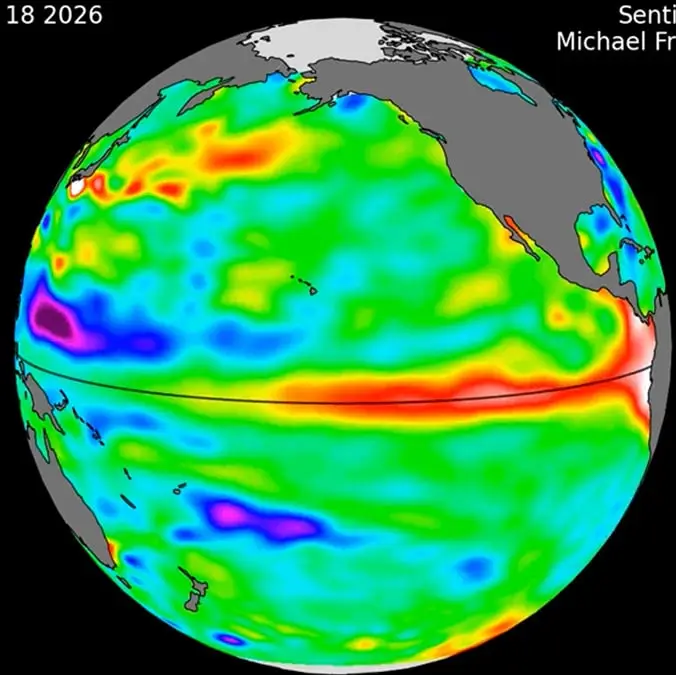
NOAA issues warning as 'Super El Niño' officially begins as hottest year on record approaches


The US National Oceanic and Atmospheric Administration (NOAA) has issued an urgent warning about the anticipated ‘super El Niño’ expected to impact global weather in the coming months.
This extreme weather event is now reportedly underway, with NOAA warning: “El Niño conditions developed over the past month, as shown by above-average sea surface temperatures (SSTs) across the central to eastern equatorial Pacific Ocean.”
The agency continued: “There is a 63% chance of a very strong El Niño during November-January, that would rank among the largest El Niño events in the historical record going back to 1950.”
Advert
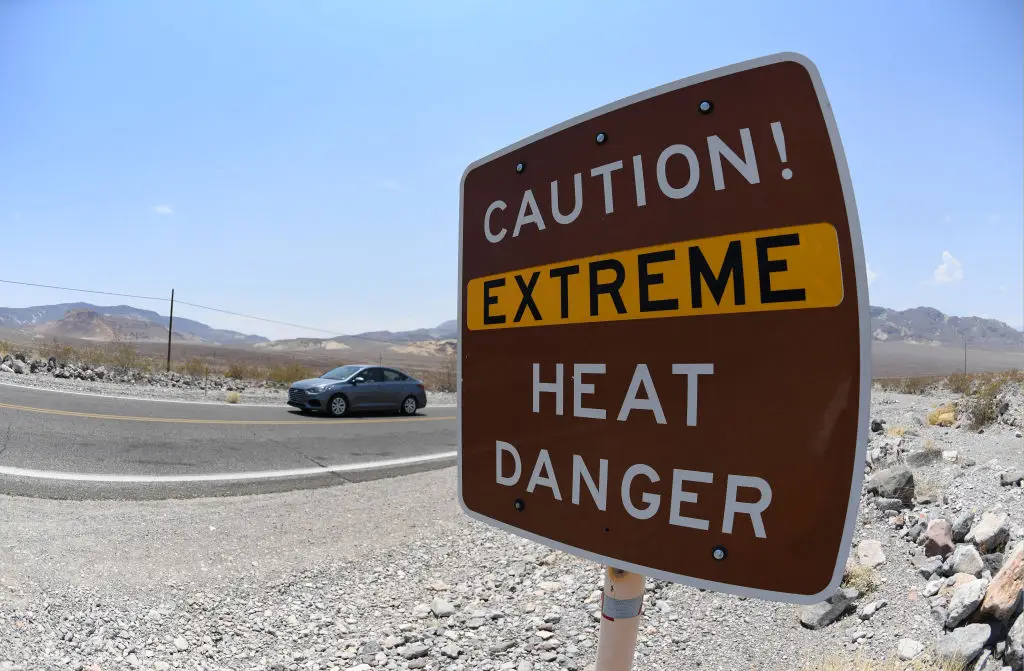
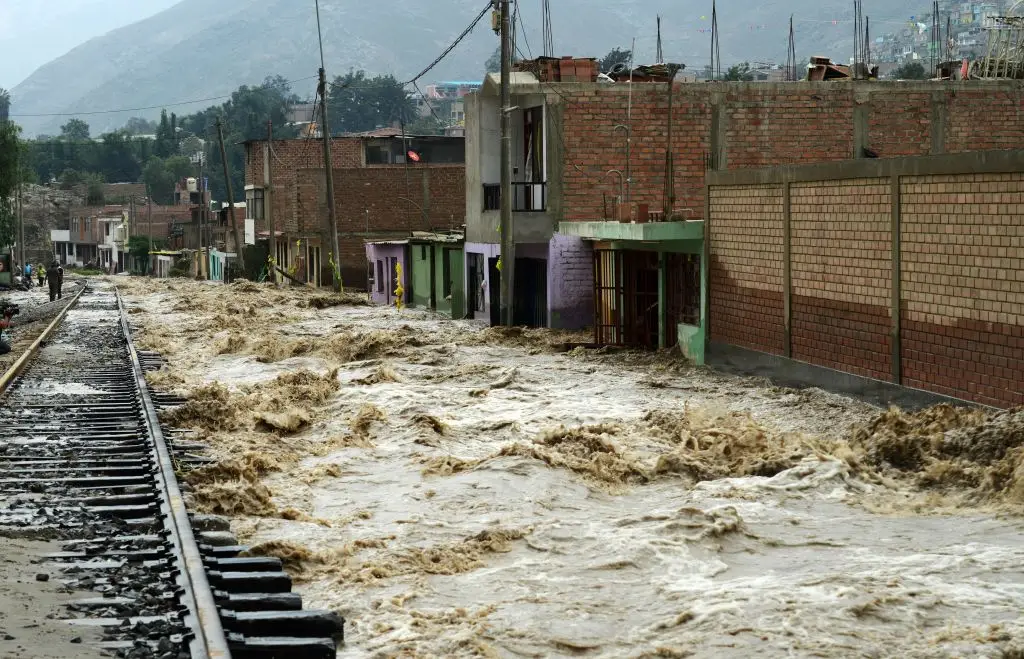
This could be set to make 2027 the hottest year on record, which might have a negative knock-on effect around the world, including the shifting of rainfall patterns, leading to floods and droughts in certain areas.
What happens during an El Niño?
An El Niño is a complex climate pattern involving the warming of sea surface temperatures in the central and eastern part of the Pacific Ocean.
El Niños have been classified for over 500 years, with the name actually originating from a Spanish fisherman who likened the weather event to the birth of Jesus Christ, as it typically happened around Christmas.
Prolonged periods of unusually warm ocean temperatures could put huge stress on sea life and damage nearby ecosystems.
The increased temperatures in the Atlantic Ocean could also influence weather patterns across Europe, leading to stronger storms and more unpredictable weather.
NOAA explained: “The equatorial subsurface temperature index (average from 180°-100°W) decreased in the past month, but significantly above-average subsurface temperatures remained in the central and eastern equatorial Pacific.
“Low-level westerly wind anomalies and upper-level easterly wind anomalies were evident over the central equatorial Pacific. Convection was slightly above average over the central and east-central equatorial Pacific and was near or below average over Indonesia.
“The traditional and equatorial Southern Oscillation indices were negative. Collectively, the coupled ocean-atmosphere system reflected the onset of El Niño conditions.”
Earlier this month, the United Nations (UN) confirmed that the extreme weather event was expected to arrive imminently, sharing a clip of WMO Secretary-General Celeste Saulo online discussing the potential repercussions, where she warned that the El Niño is expected to ‘influence weather and climate patterns around the world in the months ahead’.
The World Meteorological Organization (WMO) has also voiced concerns that this El Niño could result in devastating conditions for vulnerable and unprepared communities worldwide.