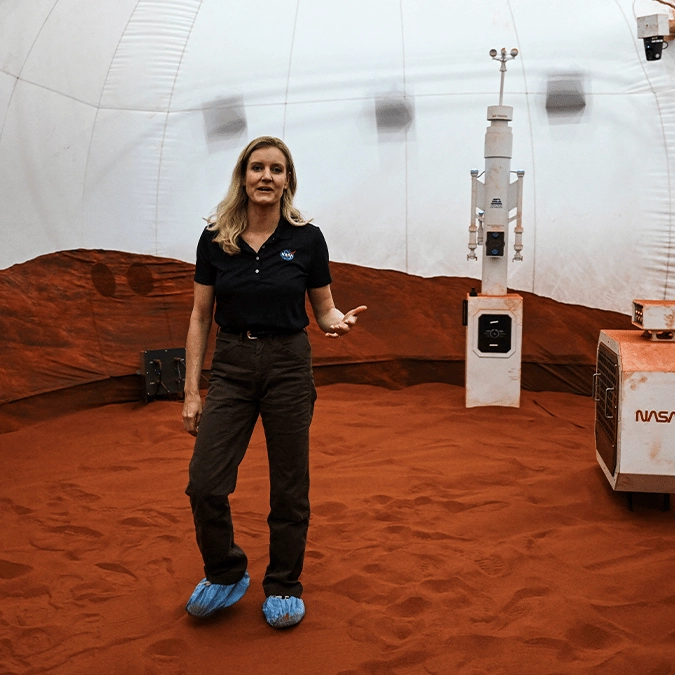
Scientists warn "hidden stowaways" on Mars spacecraft could ruin the search for alien life


One of the biggest threats to future space exploration and the potential to discover alien life comes in the form of 'hidden stowaways', as scientists outline a new warning that could jeopardize future expeditions to Mars and beyond.
While the Trump administration might claim to have evidence of alien life hidden within government files, many scientists have spent their lives searching for even the smallest sign throughout space to no avail.
There's only so much we can do without actually being present on those very planets, however, which is why space agencies like NASA have spent decades trying to get exploration missions up and running again.
What could threaten progress and scientific research, however, is our own bodies — as experts have outlined how we naturally carry trillions of 'hidden stowaway' microorganisms wherever we go, and the impossibility to shed these before traveling to a brand new planet could alter vital environments and even trigger false positives.
How would microorganisms hinder alien research?
As reported by Futura-Sciences, it is an inevitability that crewed missions into space bring unnatural organisms with them, and in the past astronauts have even left behind waste that could impact potential habitats — with the Apollo astronauts ditching nearly one hundred bags of human waste on the Moon to make the trip back to Earth a little easier.
Advert
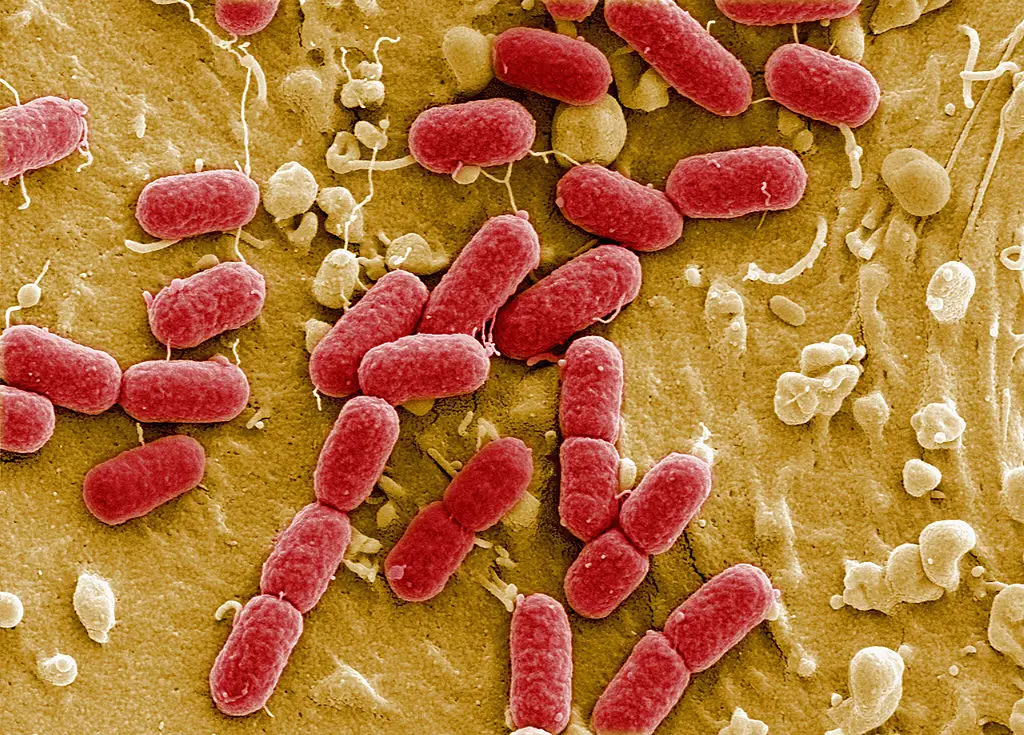
Considering how little we know about how these environments actually operate due to the lack of exploration evidence, there's no way of understanding whether these microorganisms – no matter how inconsequential they might seem to us – could harm or disrupt alien life on other planets.
There also persists the risk that these microorganisms could be incorrectly picked up as native beings to the foreign planets, with scientists and astronauts alike second-guessing any discovery that's made, no matter how groundbreaking it might seem in the moment.
Could it also impact the health of astronauts?
What recent studies have also discovered is that the environmental impact of being on a planet like Mars could have the reverse effect, with it potentially endangering the health of the astronauts.
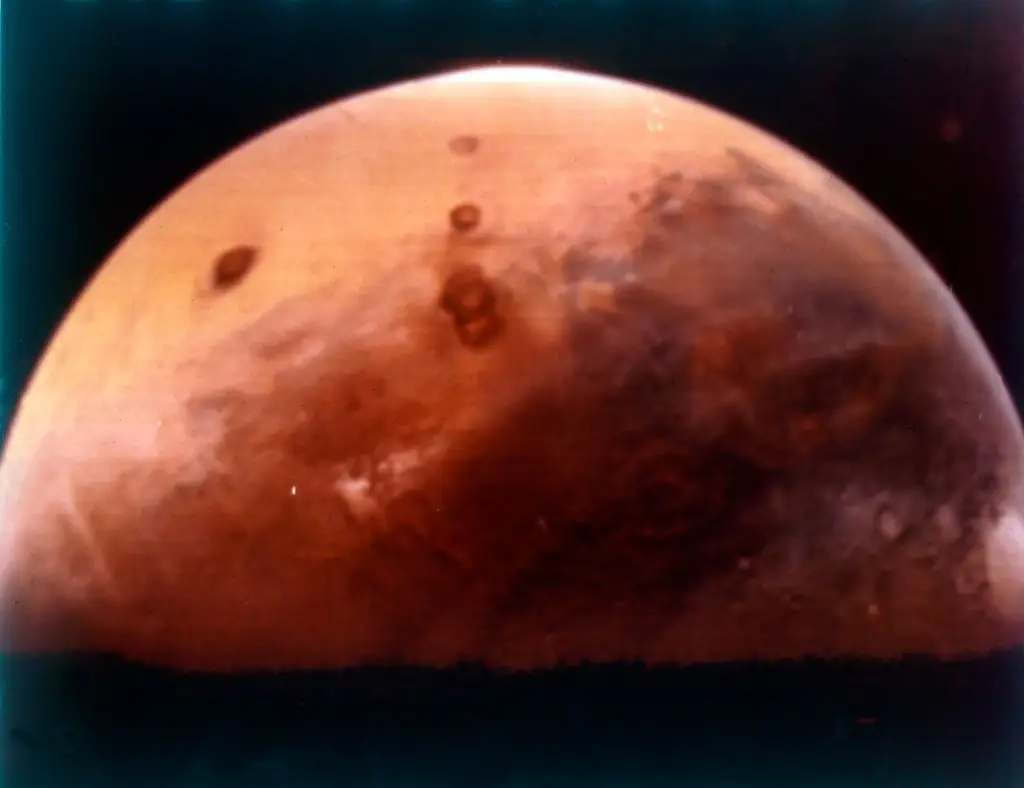
This was revealed through tests mimicking the conditions of Mars, where scientists mirrored the low atmospheric pressure, extremely low temperatures, high levels of radiation, and strong desiccation.
The resulting tests saw most loose bacteria killed off, with human immune cells also seemingly having a greater difficult getting rid of bad bacteria while inside of a space suit.
In addition, there remains a risk posed by both lunar and martian dust which can both spark inflammatory responses within the lungs of astronauts, endangering their health significantly.