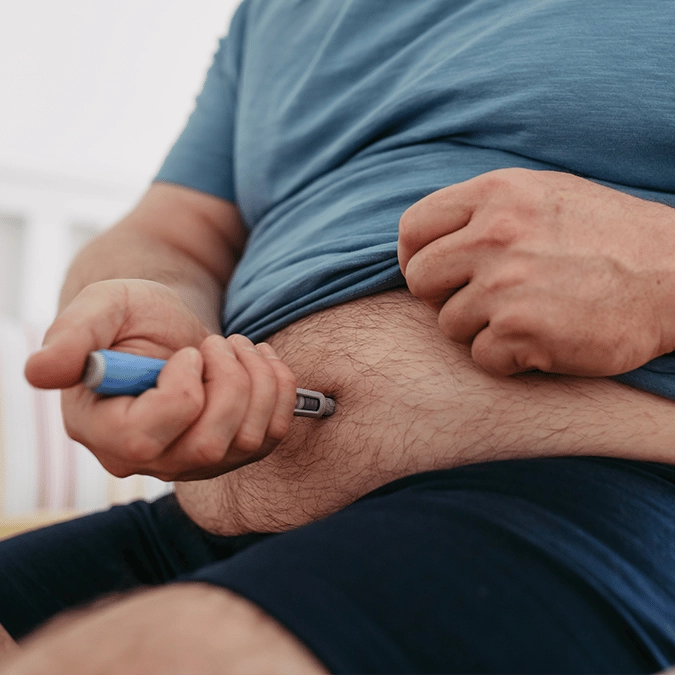
Weight loss drugs linked to unpleasant new side effect in major study of 50,000 people


Weight loss drug users already have to be aware of a number of concerning side effects, yet a new major study has revealed that patients will also have to potentially grapple with hair loss as a result of taking GLP-1 agonist medication.
There's no denying the transformative impact that weight loss drugs like Ozempic or Mounjaro can have on your health, as you can look beyond the impressive statistical drop in obesity numbers across the United States to see the many social media testimonials displaying its success in countless individuals.
What accompanies the success stories is an uncomfortable number of side effects that vary in frequency across patients, with scientists and medical experts also concerned about the long-term impact that taking the medication can create.
While most people will encounter nausea and other stomach-related issues that are natural considering what the drug does to help you quickly shed the pounds, people have also reported how GLP-1 medication can impact your toilet trips and make your breath smell unpleasant.
Advert
As reported by the Independent, a shocking new side effect has emerged from a study of over 50,000 people, supporting a link between the popular medication and hair loss.
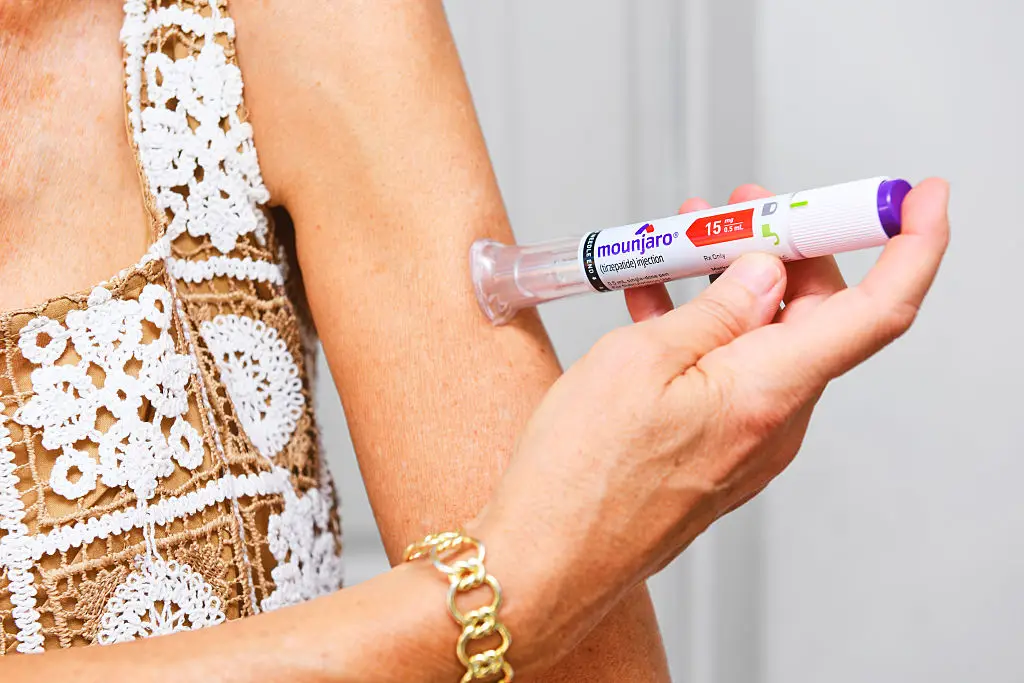
The study, orchestrated by a team of scientists at the University of Pennsylvania Health System, compares data between individuals using GLP-1 drugs to treat diabetes with other similar medication, with the former showing an alarming increase in rates of alopecia hair loss.
Taking into account other factors that could influence hair loss outside of the drug itself, the study concluded that using GLP-1 medications can provide you with a 37% greater risk of developing hair loss relative to using SGLT-2 inhibitors — another treatment for diabetes.
This was accompanied by a staggering 68% higher risk compared to DPP-4 inhibitors, suggesting that there is a unique property within the popular treatments that is associated with hair loss.
One saving grace is that it appeared to be a form of non-scarring alopecia which maintains the actual hair follicles despite the strands being lost, retaining the potential for the hair to grow back in the future.
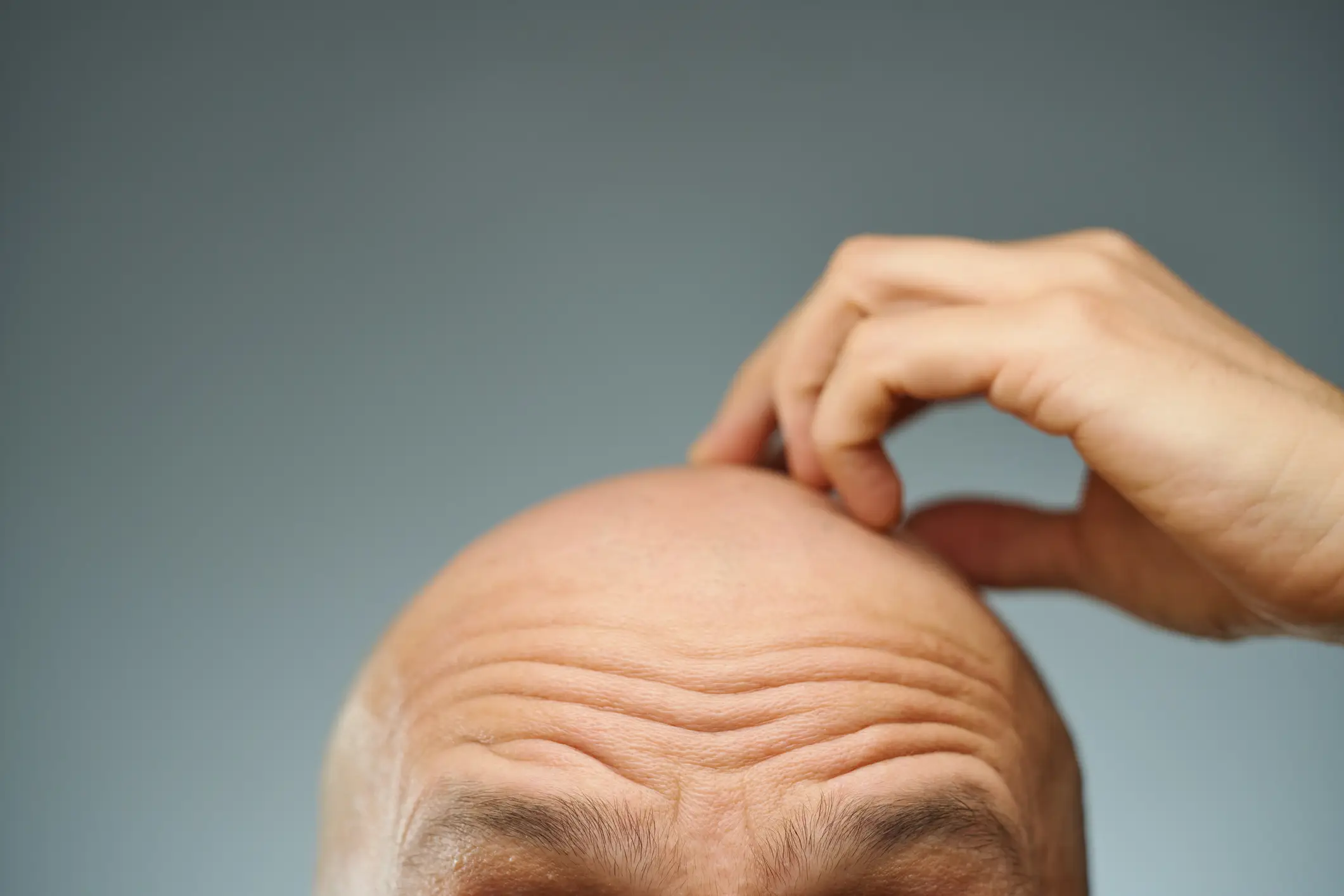
Researchers have informed the U.S. Food and Drug Administration (FDA) of the potential link, with the government body indicating in the British Medical Journal (BMJ) "that it is evaluating this potential safety signal" in relation to GLP-1 use.
They add that while "hair loss does not typically result in physical harm, it may have significant psychosocial consequences, affecting self-esteem, quality of life, and adherence to treatment."
Considering the popularity of these drugs as a tool for physical transformation, it might be something that casts doubt in the minds of those using it, potentially creating a double-edged sword where they gain confidence in one area but lose it in another.
Explaining why hair loss has emerged as a potential side effect for GLP-1 drugs, the researchers outline the impact that restricting calories can have on your body, highlighting how it can "contribute to physiological stress and micronutrient deficiencies (for example, iron, zinc, biotin), which can disrupt the hair growth cycle."