
Astronomers sound alarm over 'absolutely catastrophic' impact of proposed 'artificial Saturn's ring'


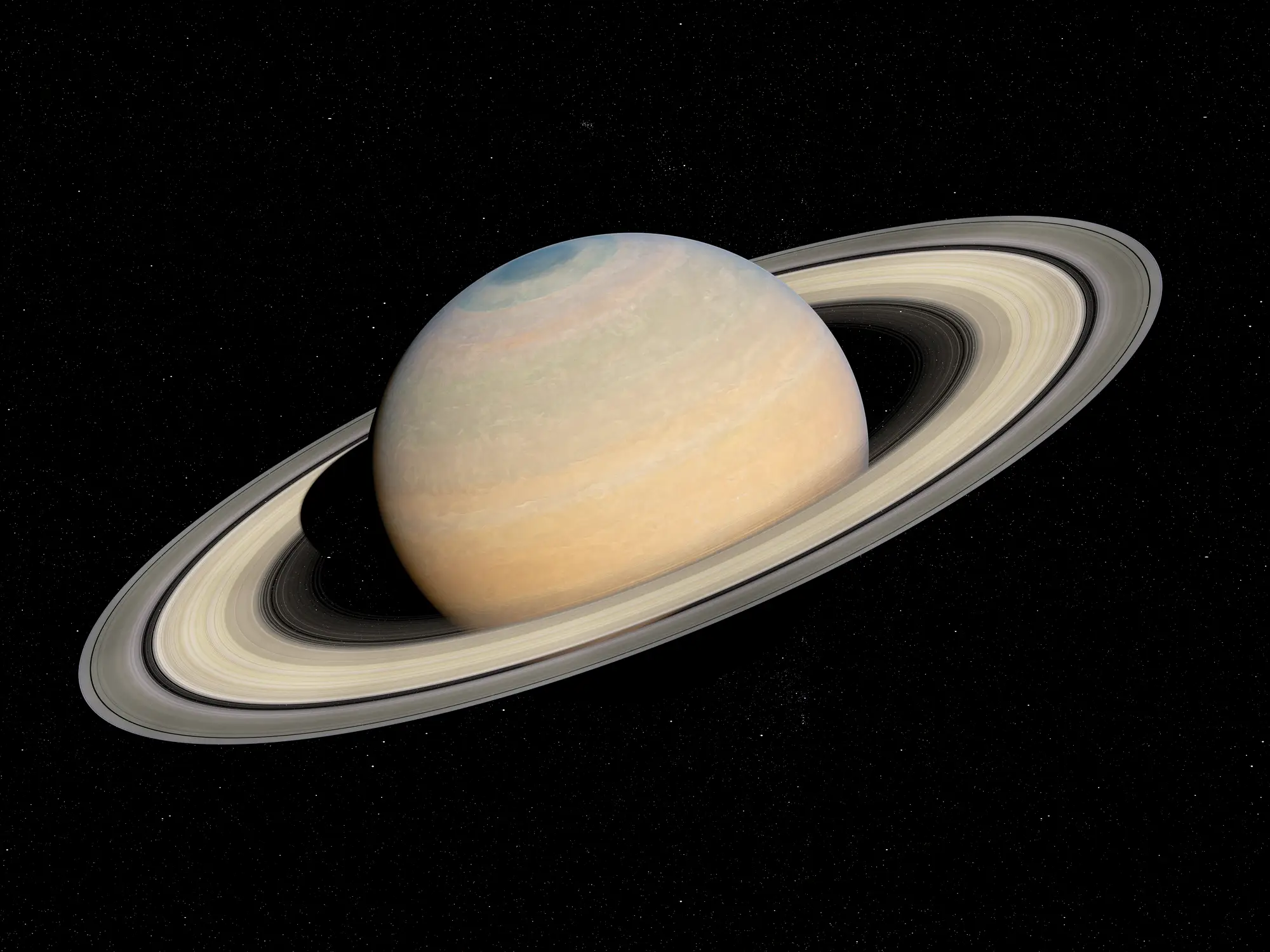
Astronomers are warning that the night sky could soon be crossed by a bright, artificial 'Saturn's ring' circling the planet, if several proposed satellite projects go ahead.
The concern centres on planned orbital data centres and giant space mirrors, which could create a glowing chain of objects visible for hours after sunset and before sunrise. Experts say the effect could be seen from anywhere on the planet and, in the worst-case scenario, may outshine the natural stars and planets.
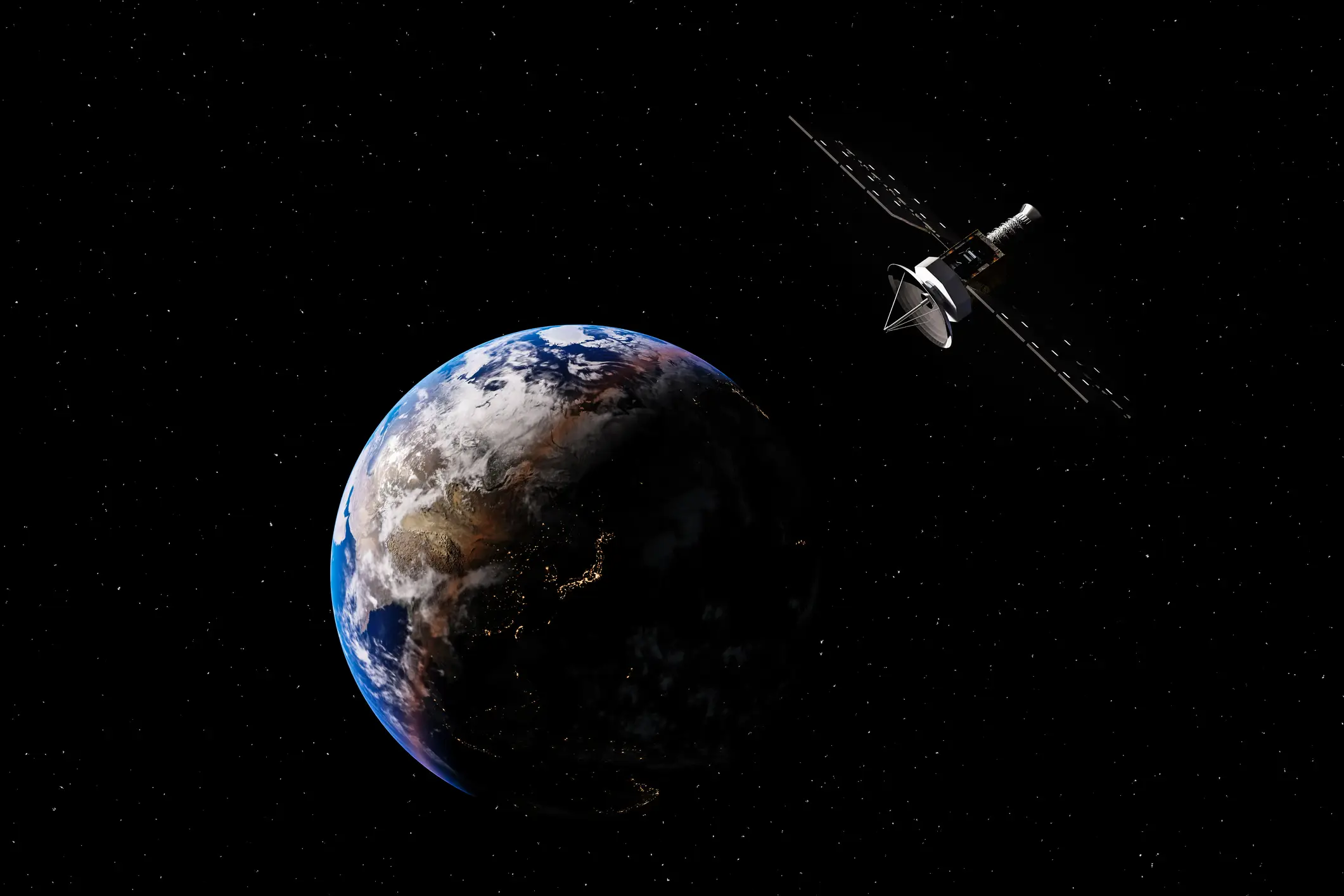
What's being launched into orbit
A string of companies including SpaceX, Starcloud, Cowboy Space, Orbital and Blue Origin have applied to the US Federal Communications Commission for licences to launch more than a million data centre satellites between them. China is also said to be pursuing its own orbital data centre network within the next five years.
Advert
On top of that, California firm Reflect Orbital wants to put 50,000 mirrors into orbit to bounce sunlight down to solar power plants after dark. It already has its licence, granted on 10 July, to fly a first demonstration satellite named Eärendil-1, due to launch by the end of this year. Similar worries about crowding orbit have already trailed the rapid growth of Starlink and Blue Origin's rival constellation.
Why it would form a 'Saturn's ring'
The reason all of this would bunch into a single glowing band comes down to sunlight. Hugh Lewis, a professor of astronautics in the UK, told Space.com that these projects depend on constant sunlight, which forces them into one specific orbit.
"Orbital data centres and Reflect Orbital all tend to rely upon what these operators call 24 hours of sunlight in space," he said, and reaching it means following the dawn-dusk line rather than spreading around the planet as Starlink does.
"Orbital data centres and Reflect Orbital all tend to rely upon what these operators call 24 hours of sunlight in space," Lewis said. "To have that, you have to be in a particular orbit, which follows the dawn-dusk line. It's not like the Starlink megaconstellation, which is distributed around the Earth."
The orbit traces the terminator, the line dividing day from night, carrying the satellites over the poles and stacking them close together.
"If you were to look up at night, they would be all in one plane, really close together, going in the same direction," Lewis added. "The impact on the night sky would be absolutely catastrophic."
What it would do to the night sky
Samantha Lawler, an astronomer at the University of Regina in Canada, modelled several proposed fleets, including SpaceX's Starmind, Blue Origin's Project Sunrise and Cowboy Space's Stampede.
In her visualisations, the satellites outnumbered and outshone the stars. The ring would cross the sky twice a day, in the early evening and before dawn.
"[The ring] would pass overhead at the same time every night," Lawler explained. "That means its effect would be worse during winter time than the summer time."
Lawler stressed that her modelling is based on publicly available data, may not reflect the final satellite designs and has not yet been peer-reviewed.
Even so, she warned that scattered light could continue brightening the sky for up to two hours after the ring itself had dipped below the horizon.
"It would make our taxpayer-funded telescope time much less effective," Lawler said. "We could do a lot less science for the same cost, and many science cases, including the search for dangerous near-Earth asteroids, would be seriously compromised."
According to the experts, there may be no place on Earth where the ring would be completely out of view. How bright it becomes would depend on how many satellites and mirrors are ultimately launched, as well as their final designs.