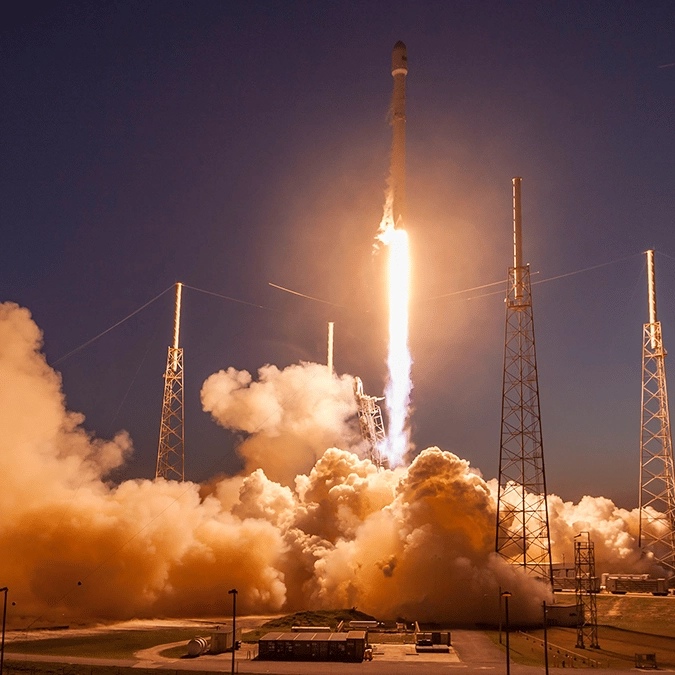
Scientists speak out as SpaceX rocket to crash into the Moon at 5,400 mph


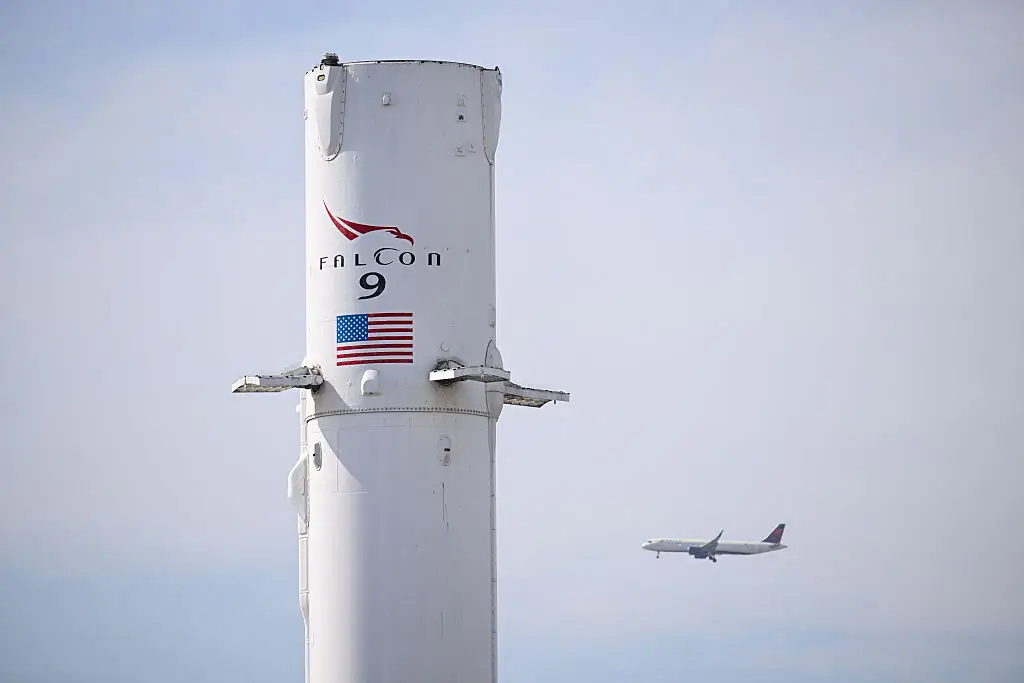
Scientists are intrigued by a new cosmic opportunity, as NASA has warned that a stray fragment from SpaceX's Falcon 9 rocket is set to collide with the Moon in a few weeks time.
While this might initially seem threatening and create a potentially dangerous scenario, many scientists are actually taking it as something to be excited about as it gives them the chance to directly record an impact and see how the lunar surface will react.
This could also prove to be a vital – albeit accidental – piece of evidence in contribution to plans for a base on the Moon in the future, of which NASA has indicated a desire to commit $20 billion towards the construction.
There remain a lot of questions that space experts are hopefully going to get answers to in the aftermath of this collision, so while NASA has indeed issued a warning, it's something that many will have their eyes closed attuned to when the rocket strikes the surface.
When will the SpaceX rocket collide with the Moon?
As reported by Scientific American, the SpaceX Falcon 9 rocket fragment – weighing in at an estimated 10,800 pounds – is expected to strike the Moon's surface at approximately 2:34 a.m. EDT (11:34 p.m. PDT) on August 5.
Advert
Bill Gray, an amateur astronomer that initially discovered the trajectory of the Falcon 9 rocket towards the Moon, illustrated the extent of this impact in a new post on his blog:
"On 2026 August 5, within a few minutes of 06:35 UTC, an upper stage (section) of a rocket used for a lunar mission will hit the moon. This may be of some (probably minor) scientific interest, and we may learn some things from it.
"It doesn't present any danger to anyone, though it does highlight a certain carelessness about how leftover space hardware (space junk) is disposed of."
It will be visible close to the edge of our planet's nearest natural satellite when observed from down on Earth, and will be traveling at a speed of around 5,400 miles per hour (8,690 kilometers per hour), which equates to an impact of around three tons of TNT.
While NASA and other scientific institutions will be using everything at their disposal to get the best look at the impact and aftermath, people living in the Americas can potentially catch a look of their own — and experts have even encouraged people to try their best.
Outlined in a paper on the expected impact, published in arXiv, 23 astronomers have illustrated that "the upcoming Falcon 9 upper stage impact on the Moon on 2026 August 5, presents an ideal opportunity for observers in the Americas and space-based assets to study a significant lunar impact in real time."
You might not get a chance as good as this in the future, so if you've got the apparatus then it's definitely worth an attempt.
What challenges could emerge from the impact?
The risks aren't associated with the impact itself despite its destructive potential, and are instead found within the challenges that scientists will encounter when trying to observe the collision.
It's likely to strike a location on the Moon's sunlit hemisphere, which seemingly makes detecting an impact flash more challenging than you might think, yet the close proximity to the 'lunar limb' – the edge of the Moon's visible disc – could prove to be a saving grace.
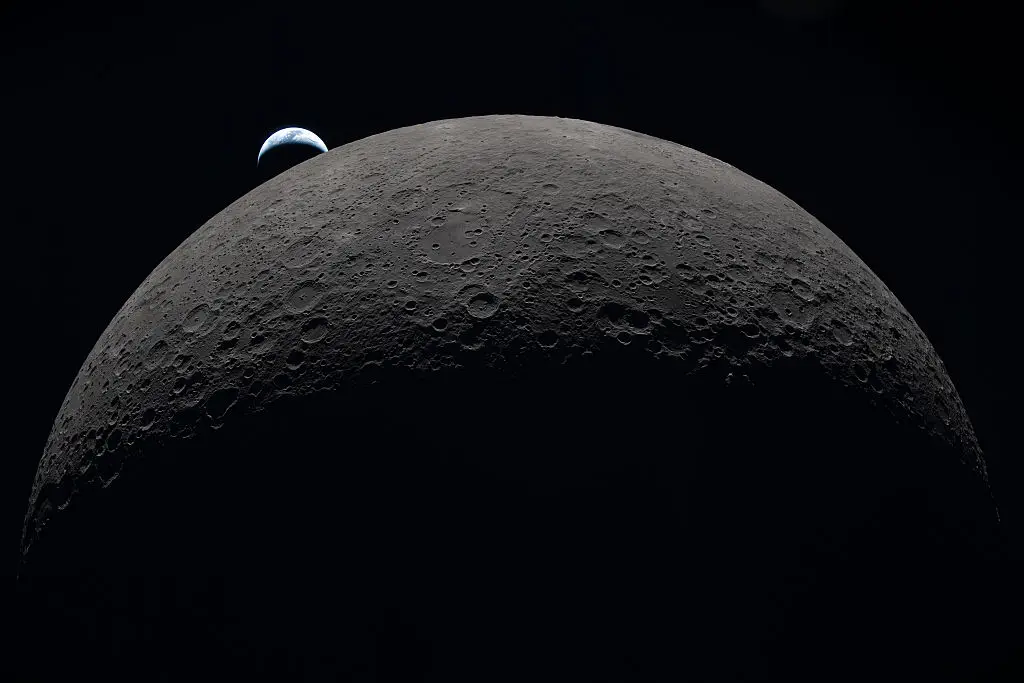
Gray explained why this could help spot the collision, writing in his blog post about the discovery:
"The fact that the impact is really close to the limb may actually turn out to be an advantage. Rocks ejected by the impact may form a 'plume' that will be visible against the dark background once they're off the Moon.
"Maybe we'll see the flash. Maybe we'll see rocks ejected from the crater," the astronomer continued. "Maybe we'll even see both."