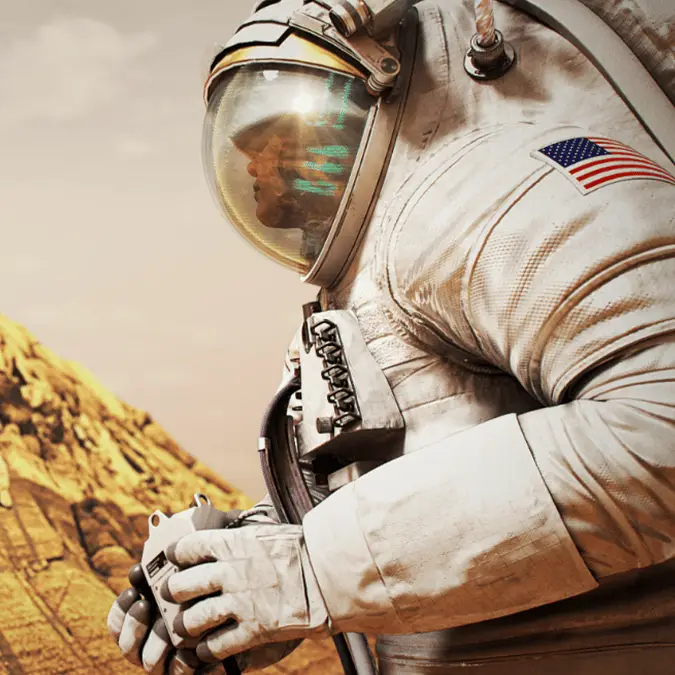
NASA will pay you to spend a year on the Moon and Mars without ever leaving Earth


Only a select number of people are lucky or talented enough to become astronauts and fly into outer space, yet you could potentially find yourself 'living' on the Moon or Mars with NASA's new project — only you'll never even have to leave the confines of our planet.
It's not the first time that NASA has placed a call out for members of the public to help with some vital experiments, yet this new simulation might be one of the most important yet as it relates directly to the viability for people to start living beyond Earth.
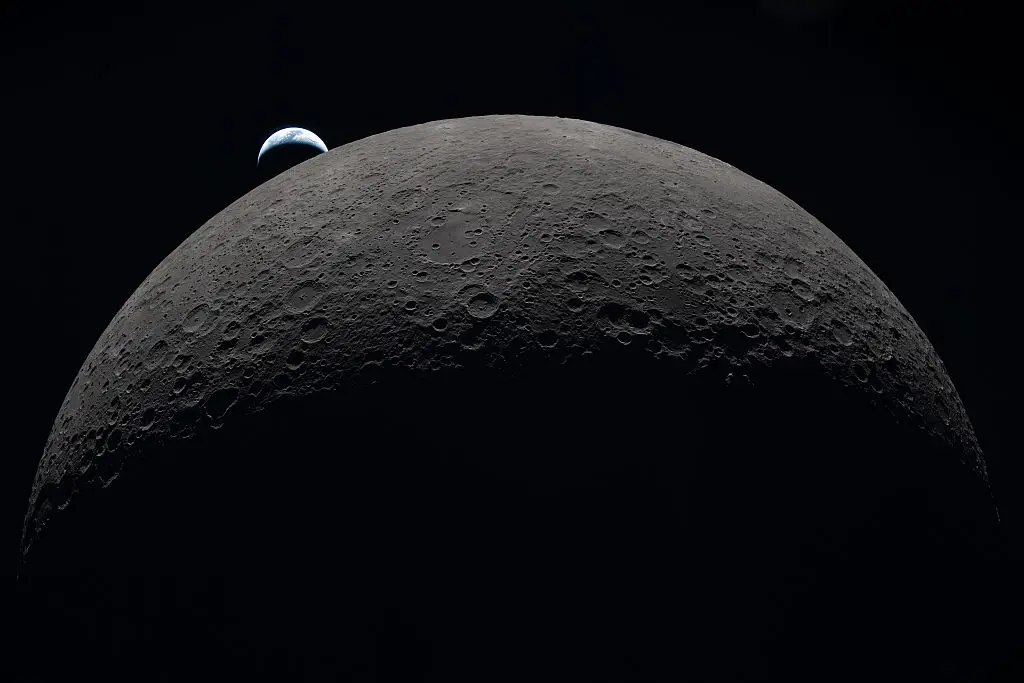
Referred to as the Moon and Mars Exploration Analog, the deep space experiment itself will last for an entire year with four research volunteers staying isolated within a simulation of the surface of Earth's nearest natural satellite and the big red planet.
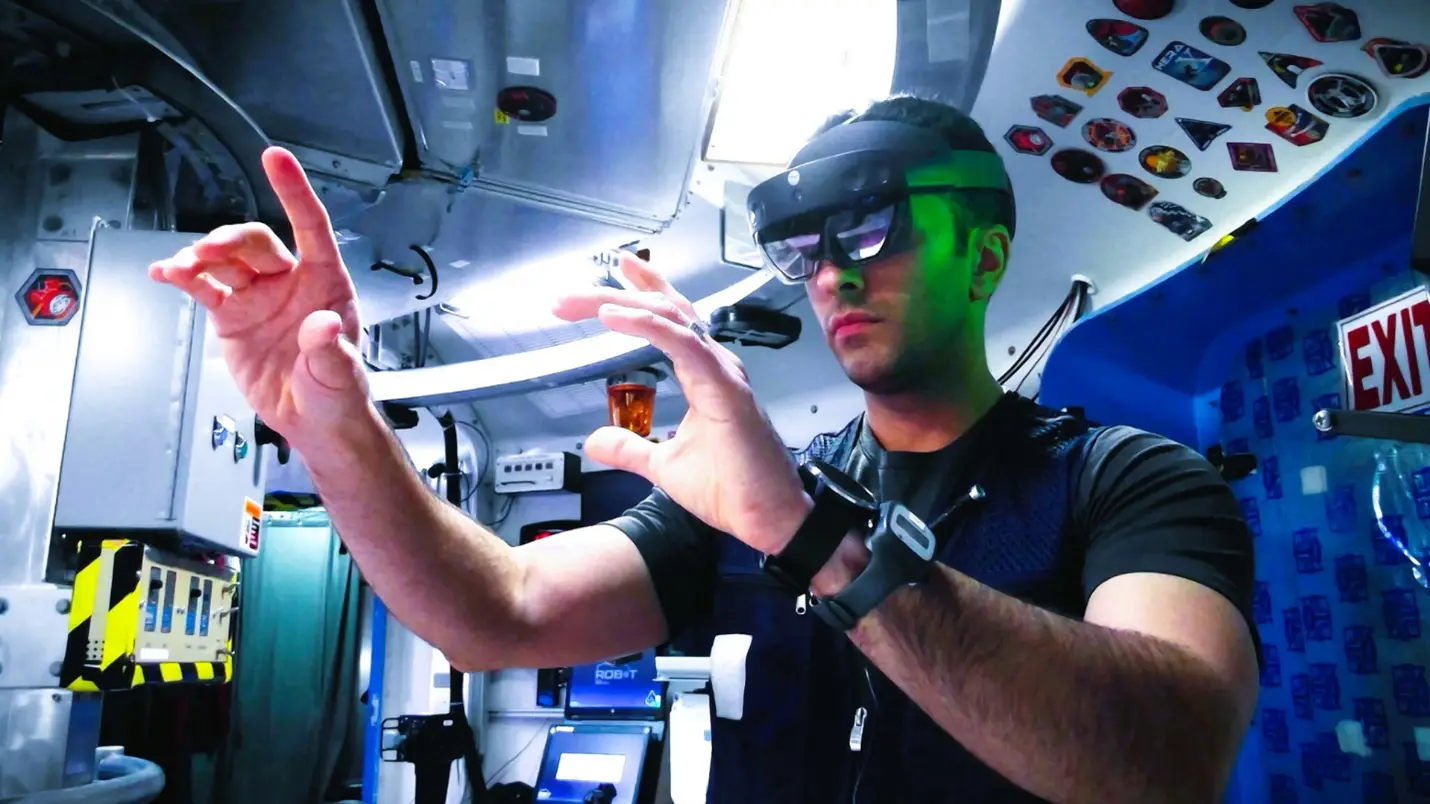
Anyone taking part in the project will be expected to live for that period of time as if they were a NASA astronaut on a mission into space, meaning limited resources and potentially challenging conditions, yet you'll also be able to take part in "mock Mars walks and using a rover to travel to exploration sites located beyond the main habitat."
Who is eligible to take part in the simulation?
As shared by the Metro, you have to match all of the following conditions to be even considered for the program, after which you'll be subjected to lengthy testing to ensure your eligibilitiy:
- US citizen or green card holder
- Aged between 30 and 55 years old
- Proficient in English
- No taller that 188cm/6'2"
- No dietary restrictions
- No history of sleepwalking and have never taken sleeping aids
- Bachelor's degree from an accredited institution in one of the following subjects:
- Engineering
- Biological science
- Physical science
- Mathematics
Advert
As you can imagine that does limit the number of people that will be able to take part considerably, although it does open up a far wider pool than any prospective path towards an astronaut career would create.
If you manage to pass the first stage of the application, you'll also have to "take part in a multi-day selection process and pass NASA's physical and psychological assessments."
The space agency outlines that applicants should also "have a strong desire for unique, rewarding experiences, and interest in contributing to NASA's work to prepare for extended stays on the lunar surface and the first crewed mission to Mars."
How much will people get paid?
While the position itself is strictly voluntary and doesn't have a designated salary, NASA does outline that those who are participating in the project will be 'reimbursed', although that figure remains unclear for the time being.
That means that you'll have to do it because you're passionate about the research itself instead of for any form of financial gain — and considering the length of the simulation you'll also have to quit any job you currently have.
The cost of isolation could also be too much for some to deal with, as spending time in the simulation for an entire year means no access to social media, and likely limited communication with your friends and family.