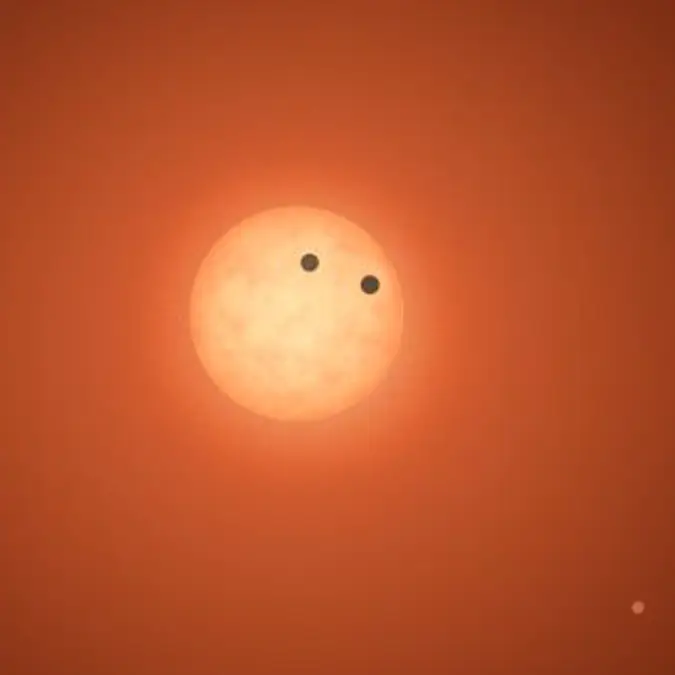
'Super-Earth' discovered 25 light-years away shows signs of habitability


GJ 3378b – otherwise referred to as 'Super-Earth' – has been discovered by scientists as a potential destination for habitation, with the planet located 'only' 25 light-years away from us proving to be a possible home for extraterrestrial life.
25 light-years might feel like an eternity away to us on Earth right now – as it's the equivalent to around 150 trillion miles or 243 trillion kilometers – but space experts have indicated that it's actually a close 'cosmic neighbor' and finds itself within our immediate celestial neighborhood, as per Mint.
Its habitable states comes from the potential for liquid water to exist within the planet's 'Goldilocks zone', which refers to a range of distances that create the perfect conditions for life to exist.
Following the discovery of GJ 3378b, researchers have published their findings in The Astrophysical Journal, outlining the distant planet's potential as a 'Super-Earth' due to its mass being around 2.3 times that of our home.
Advert
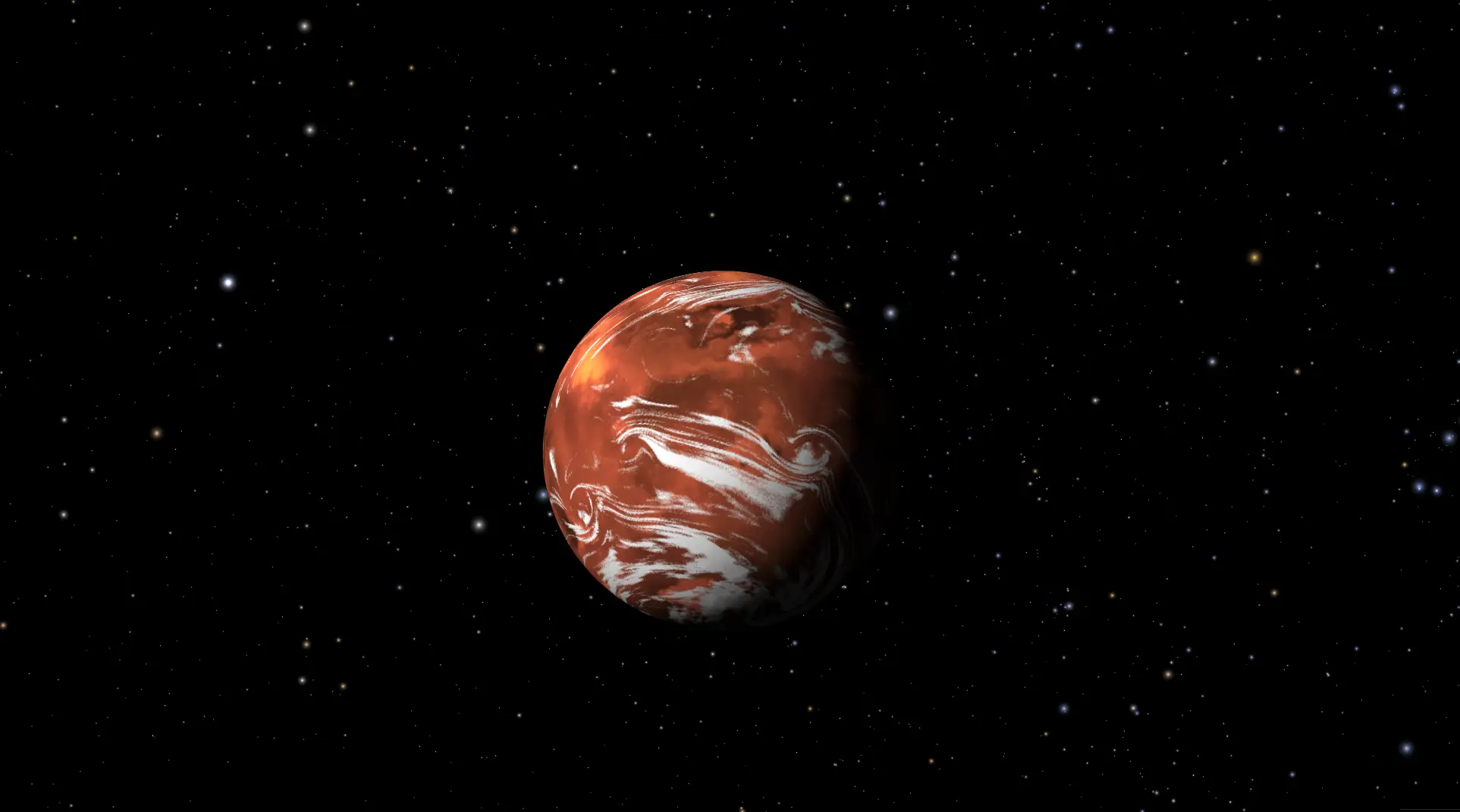
It's not quite as big as something like Neptune, but larger than our own and therefore has the potential for life to exist in some form — and new discoveries surrounding an antarctic water stream could also provide potential answers.
Paul Robertson, lead author of the study and assistant professor of astronomy at the University of California, Irvine, outlined that the discovery of GJ 3378b is 'exciting', noting:
"It's one of our closest cosmic neighbors. Twenty-five light-years sounds like a long way, but the Milky Way is about 100,000 light-years across, so in that respect it's our next-door neighbor."
Scientists don't yet know whether the planet itself has an atmosphere of any kind – which would prove vital to the discovery of life forms – but it does find itself located near the 'cosmic shoreline' which might help provide answers to one of the biggest questions for scientists when looking into this Super-Earth.
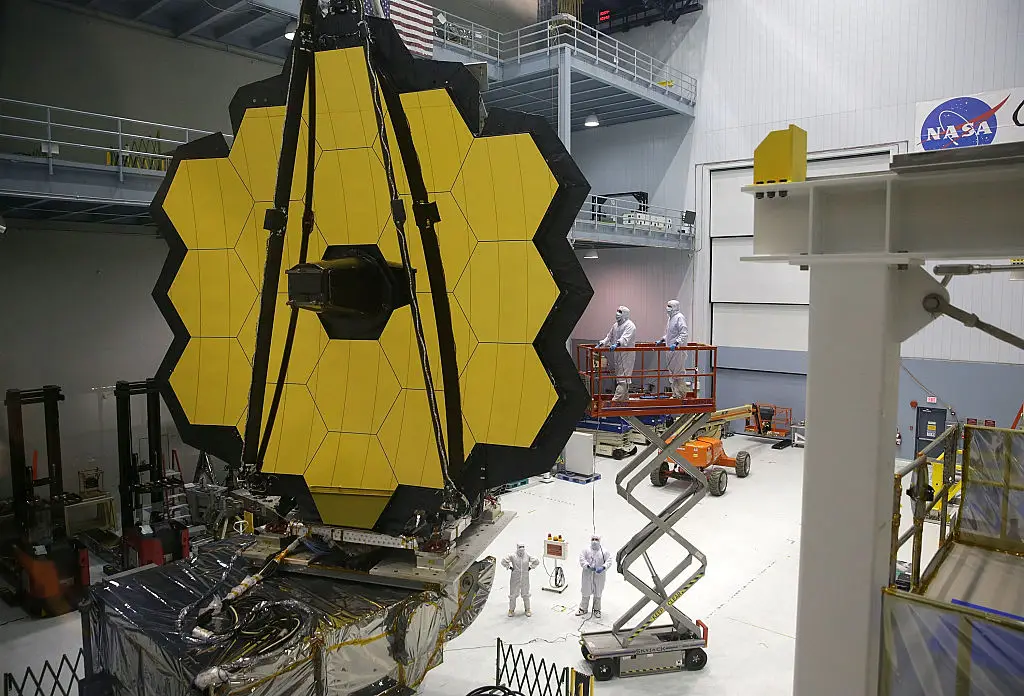
There is unfortunately little we can do to continue looking into the planet for the time being, however, as existing apparatus like NASA's James Webb Space Telescope can't currently analyze GJ 3378b, and future projects like the Habitable World's Observatory are still at least a few decades away from completion.
Experts will be keen to get a closer look at the 'nearby' planet as soon as it is possible, however, as while there has been no explicit confirmation or sign of any life existing there, even the smallest possibility would prove to be one of the biggest discoveries in scientific history.