NASA scramble to stop 3,500lb telescope from crashing into Earth


NASA is scrambling to deal with a telescope currently falling from space down to Earth, with plans worth upwards of $30 million put in place to prevent the 3,500lb (1.6 ton) structure from colliding with our planet upon impact.
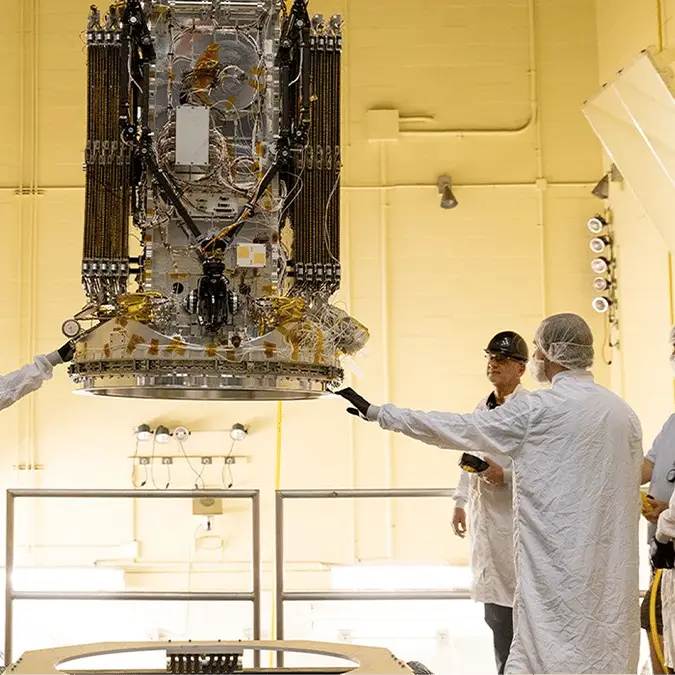
The telescope in question is the Swift Observatory, previously referred to as The Neil Gehrels Swift Observatory, as this space apparatus launched back in November 2004 is showing its age and, as a result, is currently plummeting towards Earth at an unexpected rate.
NASA's expensive plans to prevent the collision from happening involve a rocket that's due to be launched early this week, where a robot will boost the Swift Observatory away from our planet and into a more stable orbit, as per the Independent.
It arrives at a time when several of NASA's most influential projects are facing jeopardy, however, with the International Space Station just a few years away from a potentially dangerous de-orbit following damage on board that could have put several astronauts' lives at risk.
How will NASA stop the telescope from falling?
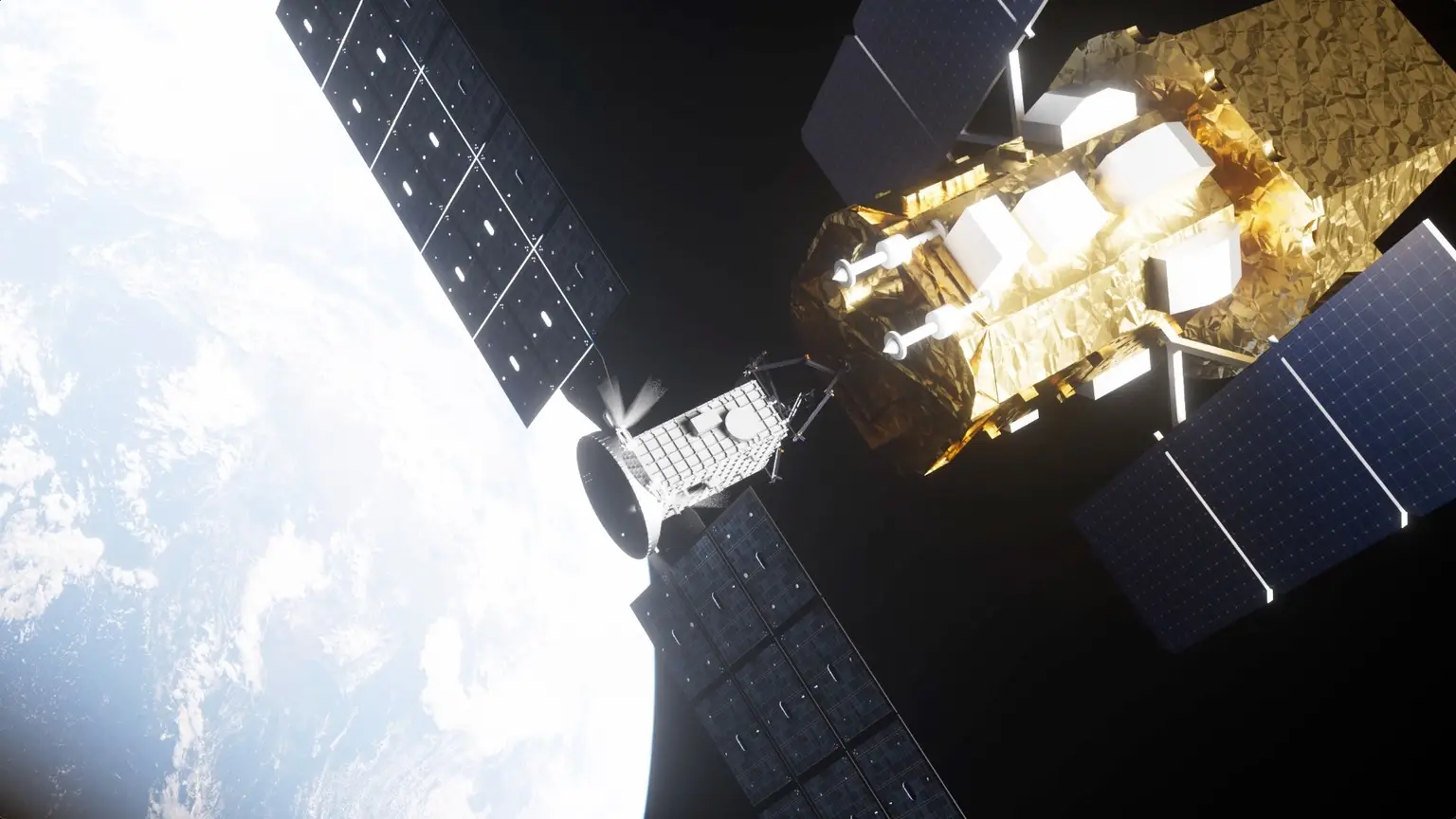
The plan to prevent the Swift Observatory from falling down to Earth involves a robot spacecraft with three-arms, which will capture the descending telescope and push it away from our planet into an orbit where it can be sustained.
Advert
This is the first time that an American space agency has attempted such a manoeuvre, with China's National Space Administration (CNSA) being the only organization to have successfully pushed an object into a higher 'graveyard' orbit.
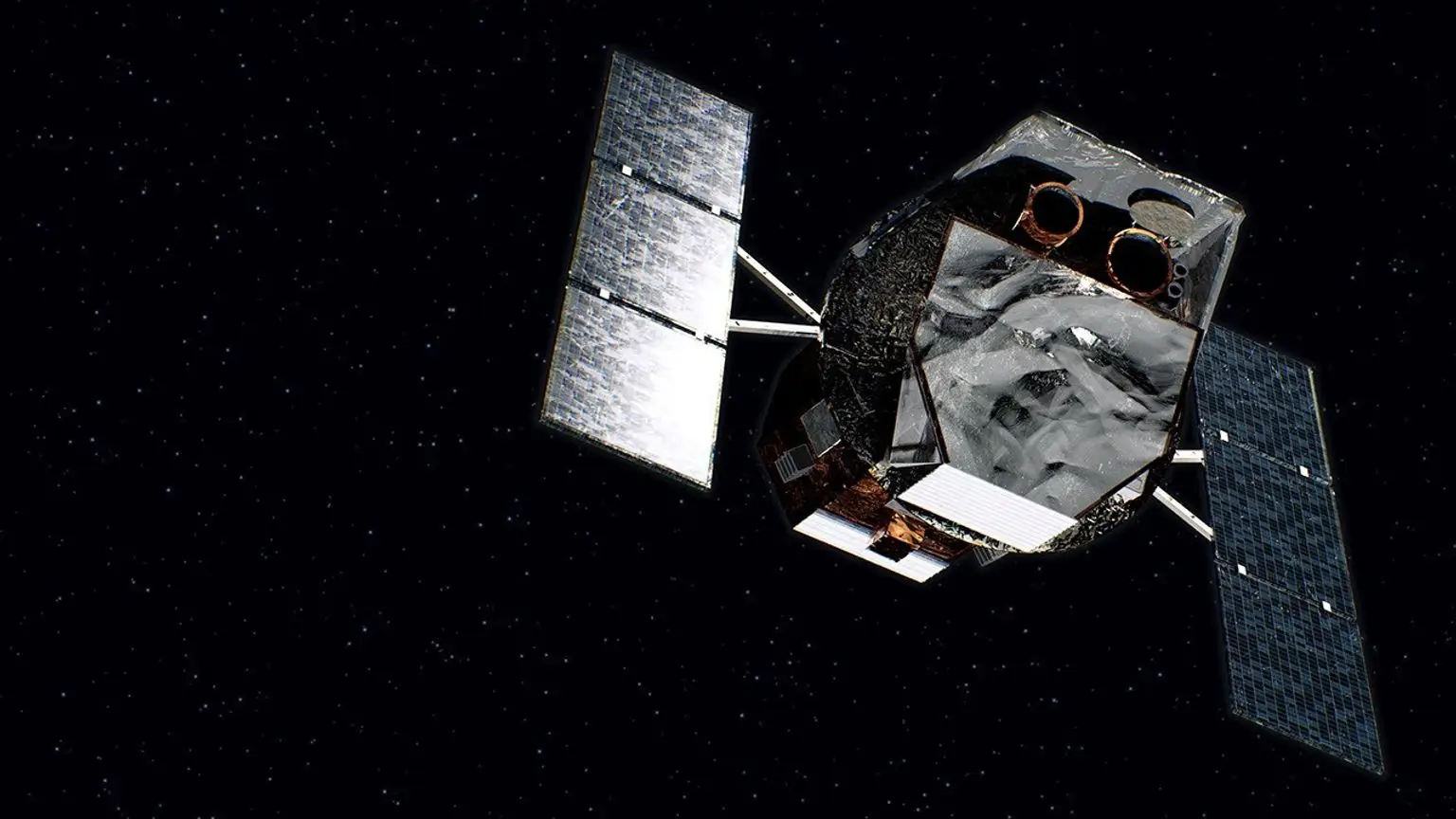
While moving the Swift Observatory is an important mission in isolation, it could provide a pathway for further beneficial NASA missions, with Ghonhee Lee – CEO of Katyalyst Space, the company commissioned to carry out the mission by NASA – indicating its potential.
"NASA has all these big senior observatories [...] all of them can benefit from a service like this," he explained. "So what we're proving with this mission is this is a new play in the playbook that's available."
It's expected that the launch itself will be carried out this week, with reports indicating it could be as early as Tuesday, and Katalyst's robotic spaceship will launch from an atoll in the Marshall Islands — where the U.S. military previously tested nuclear weapons during the Cold War.
What does the Swift Observatory do?
Beyond simply preventing a potentially catastrophic collision in an undetermined place on Earth, NASA will want to preserve the Swift Observatory as it carries out a vital task in space.
It was initially launched to study gamma-ray bursts (GRBs), which occur roughly once every single day and are the most powerful explosions that exist in the Universe since the Big Bang.
They only last for a few hundred seconds at most, with many being as short as a few milliseconds, and scientists previously had no idea what caused them. It's now expected that they are released when massive stars die, or the collision of things like neutron stars or black holes.
Across the course of it's nearly-22-year history the Swift Observatory has managed to identify and locate roughly 1,800 GRBs, and continues to inform our wider understanding of stars and the universe at large.