Experts expose a ‘troubling’ legal loophole in NASA's plan to dump the ISS in the Pacific


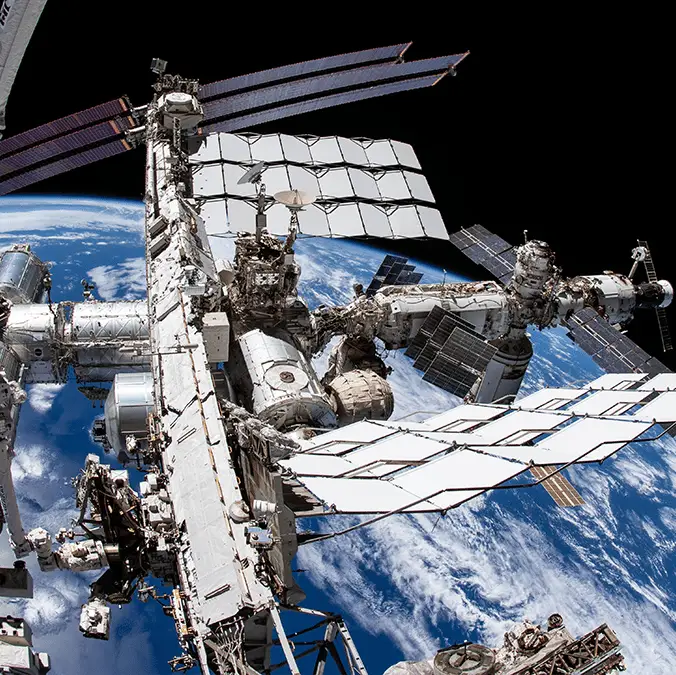
After 27 loyal years of service, we're saluting the International Space Station as it heads into its twilight years. Unfortunately, plans to dump the ISS in the isolated Point Nemo in the middle of the Pacific Ocean might've hit a snag.
Put into orbit in November 1998, the International Space Station was first occupied by the historic Expedition 1 crew of William Shepherd, Yuri Gidzenko, and Sergei Krikalev in November 2000. Since then, the ISS has hosted the longest continuous presence of humans in space.
As of June 23, 2026, the ISS has performed a whopping 157,261 orbits, and safe to say, the old gal is showing some signs of wear and tear. You only have to look at videos of the somewhat cramped ISS when compared to China's futuristic Tiangong Space Station to see the differences, but then again, the latter only launched in 2021.
What is the ISS' deorbit plan?
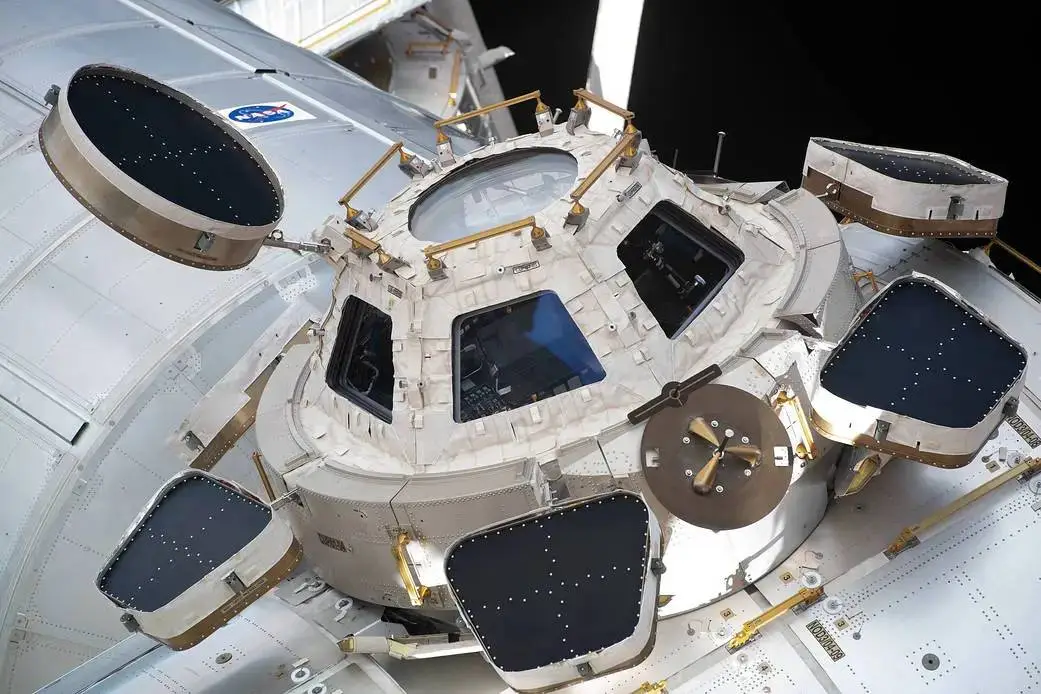
The ISS and Tiangong are currently the only two operational space stations in the world, but as the likes of Elon Musk and Jeff Bezos continue to shoot for the stars, expect things to get a little more crowded up there.
Advert
Speaking of the world's richest man, Elon Musk has been vocal about his disdain for the ISS, saying it's time to destroy it because it's served its purpose. Could that have anything to do with SpaceX being awarded a lucrative $1 billion contract to help bring down the ISS?
Even though Musk's words might seem harsh to some, the U.S. government originally announced plans to decommission the ISS in 2009, with an original date of 2016 marked for destruction. As part of Boeing's extended contract with NASA, it was tasked with extending the ISS' hardware past 2020 and to the end of 2028.
The current plan is to use SpaceX's souped-up Dragon rocket to serve as the U.S. Deorbit Vehicle (USDV) and push the ISS back into the Earth's atmosphere. Although much of the 30-ton structure will break apart and burn up, larger heat-resistant chunks are due to hit the water at the isolated Point Nemo. Known as the most isolated place on Earth and already serving as a 'spacecraft cemetery' for the likes of Russia's Mir Space Station, it should all be smooth sailing.
Why is Point Nemo a problem for the ISS' final resting place?
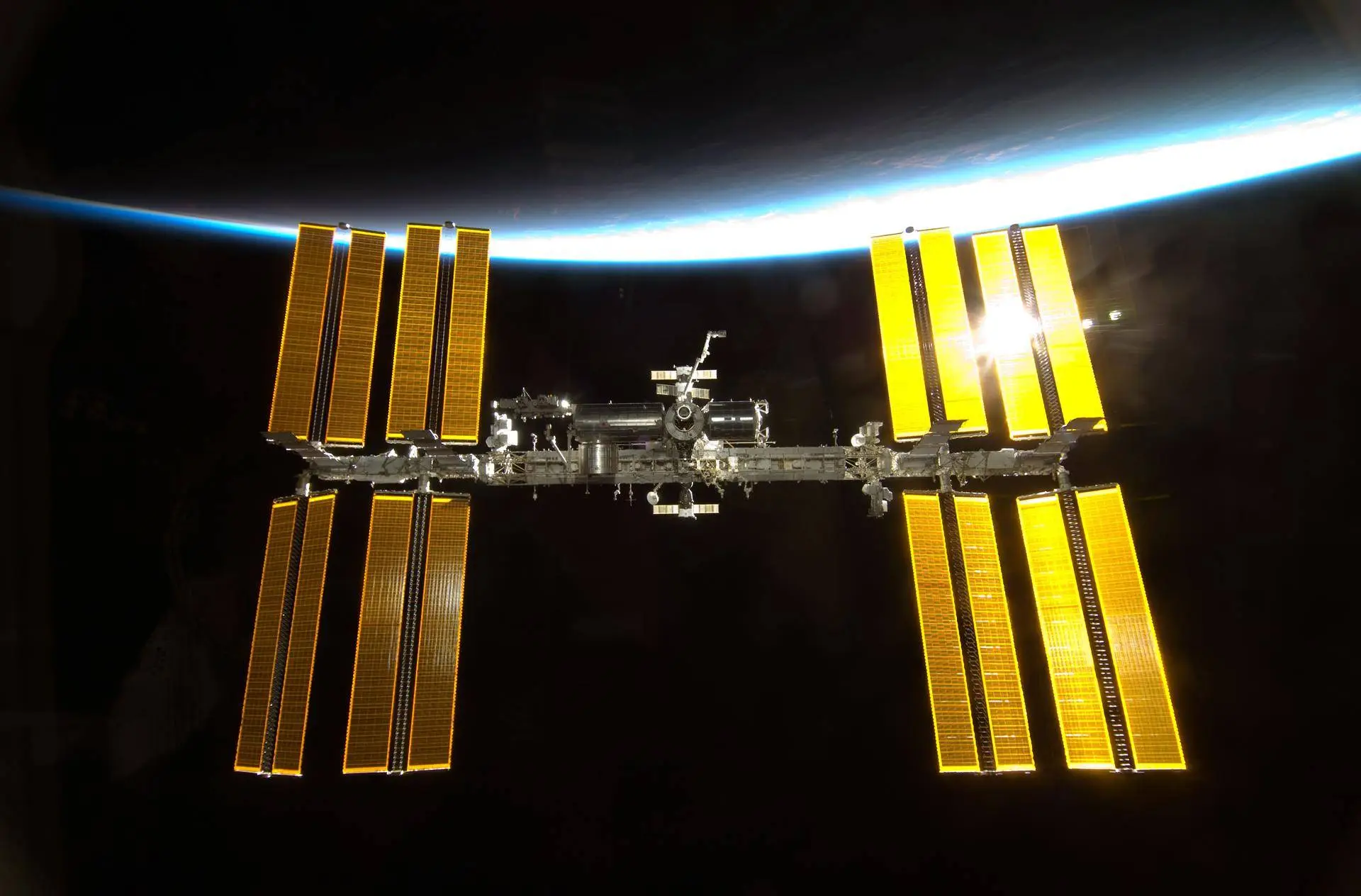
As reported by Space.com, the current plans are to start lowering the ISS in mid-2028, followed by the USDV's launch in mid-2029 and a potential end of 2030 re-entry burn.
A Washington, D.C.-headquartered group known as The Ocean Foundation has intervened, saying the ISS' current deorbit plan "raises serious concerns for ocean health that the space community has not adequately grappled with."
Following a U.S. Government Accountability Office (GAO) report, The Ocean Foundation president Mark Spalding said "there is a troubling structural gap in international law that the ISS de-orbit throws into sharp relief."
The GAO report reiterates: "As part of the reentry process, NASA expects portions of the ISS and deorbit vehicle to break up and fall into the remote part of the ocean to minimize the risk to populated areas."
Spalding refers to the Space Liability Convention of 1972, decreeing that space debris falling into another nation's territory or damaging property requires the launching nation to pay compensation.
This is why space agencies aim for the middle of the ocean, so they "incur no legal obligation to pay for cleanup or environmental remediation."
Spalding went on to argue: "But the ocean's remoteness from human infrastructure should not be mistaken for a lack of value or vulnerability. The ocean and its creatures deserve the same protection that international law affords to national territories."
He admitted that we don't know exactly what environmental impact this football field-sized structure landing in the ocean could cause, saying it "has not been adequately studied or disclosed,” and, “That uncertainty is itself the problem."
For Spalding, NASA needs to consult the newly negotiated High Seas Treaty (BBNJ Agreement), where parties are required to conduct environmental impact assessments on activities that could affect the marine environment.
As the high seas have no sovereign on whom to demand accountability, Spalding concluded: "We believe this gap in international law needs to be closed, and the ISS de-orbit is a vivid illustration of why."