Health expert issues contamination warning as peptide searches hit record highs


From getting more out of your gym workout to supposedly experiencing that anti-aging glow, peptides are everywhere right now. With that, one expert has issued a warning and reminded us to be careful when it comes to what we're putting in our bodies. While that's true with everything, it's even more evident when you might be injecting unknown substances into yourself.
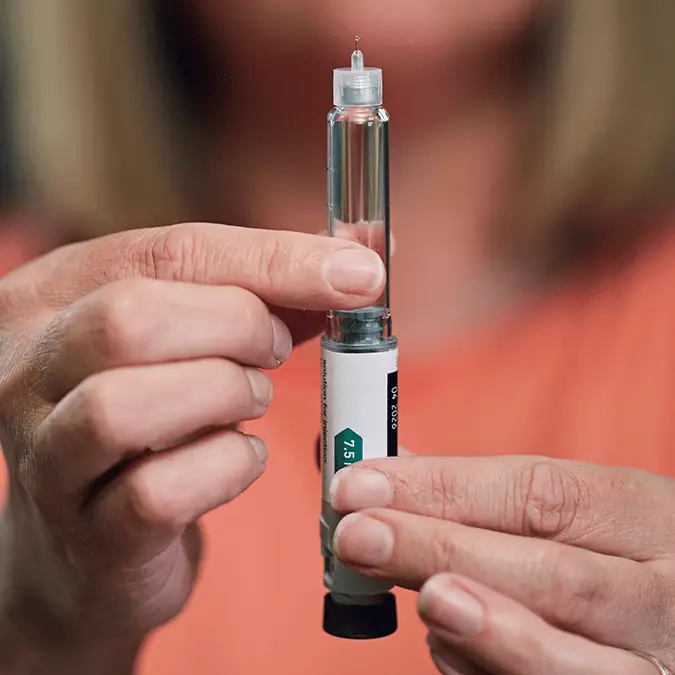
Even if you might think you've not heard of peptides, you likely have, thanks to the GLP-1 craze taking over the health world. There's been a boom in celebrities and the general public alike injecting Ozempic and other 'skinny jabs', which are also considered peptides.
What are peptides?
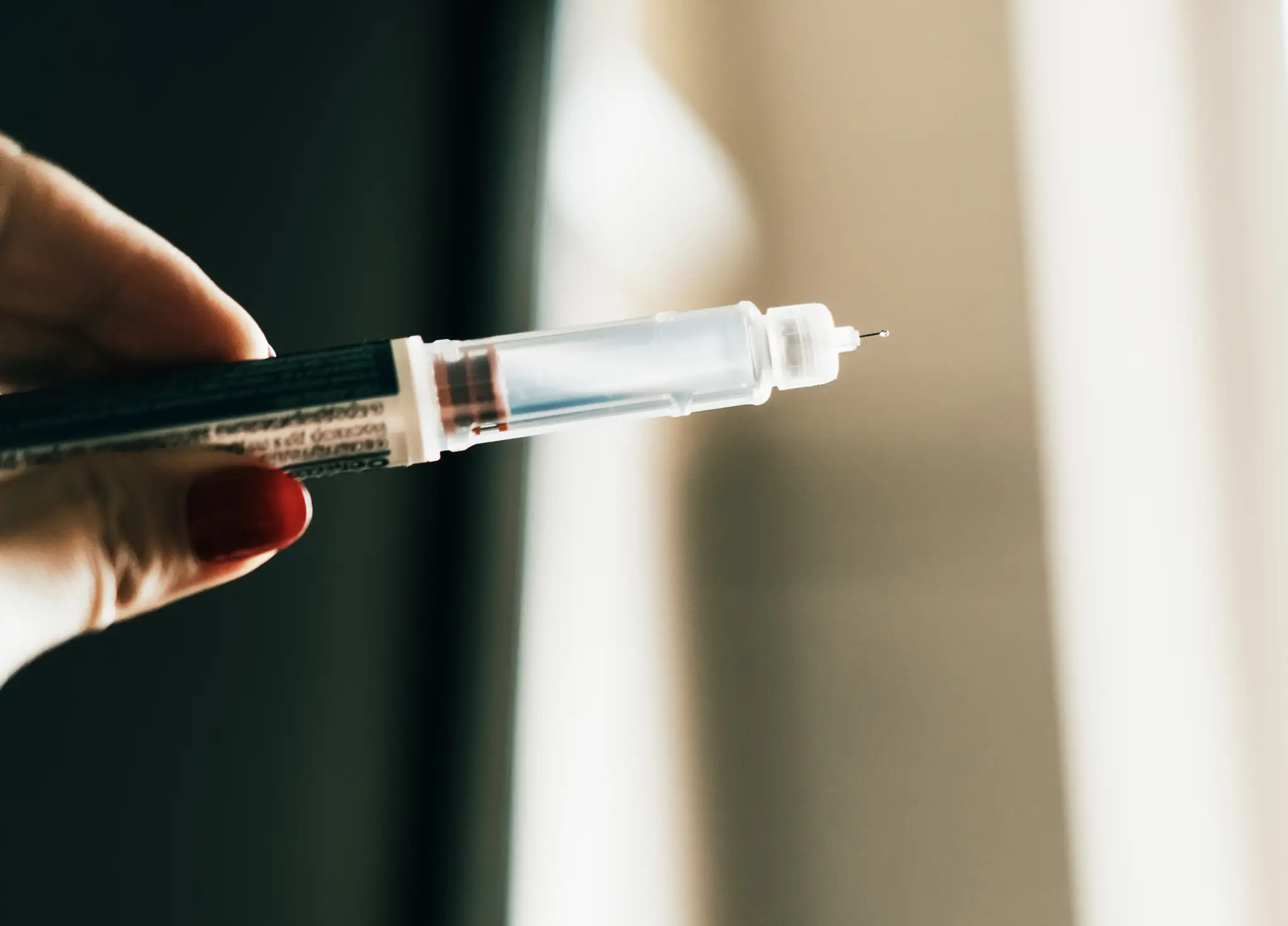
Known as the building blocks of proteins, peptides are short chains of amino acids. Whereas proteins are typically composed of complex chains of 100 or more amino acids, peptides are much shorter and can consist of as few as just two amino acids. Because peptides are smaller, they're easier for the body to absorb and act more quickly as biological messengers.
Advert
With this in mind, social media is filled with influencers and athletes promoting the benefits of peptides. The controversial Braden "Clavicular" Peters has come under fire for his use of experimental and cosmetic peptides like NAD+ and fat-dissolving compounds, with some who take them 'stacking' peptides alongside performance-enhancing drugs and supplements.
Insulin is a naturally occurring peptide that regulates blood sugar levels, vasopressin works on blood pressure and fluid balance in the kidneys, while bradykinin is useful in repairing damaged tissues.
Even though your body creates all of the above, the commercial peptide market aims to give them a boost and usually does so through injections.
As we previously covered, with concerns about counterfeit GLP-1 injections and the potential danger of death by taking unregulated or unprescribed medications, health experts are sounding the alarm over peptides.
Health expert warns about dangers of unlicensed peptides
Lab experts at Licensed Peptides have taken note of the spike in interest in peptides, which is largely driven by word of mouth and social media. In particular, searches for the supposed 'Godzilla' of GLP-1s have skyrocketed, with Google interest in Retatrutide up by 979% in the past 12 months. Despite lacking large-scale human trials or regulation, interest in BPC-157 has surged because of its apparent tissue repair qualities.
Semax searches have also leaped amid claims of cognitive-enhancing and neuroprotective properties. There's a long list of peptide searches that are on the up, with Licensed Peptides' Dr. Samuel Sarmiento claiming that the buzz has also fuelled more market research. With this, there's been a supposed increase in the risk of counterfeit or poorly manufactured peptides entering the market as more and more companies want to jump on the bandwagon.
Sarmiento reiterated that there's a misconception about professional-looking vials automatically meaning what's inside has been properly verified: "A counterfeit or poorly manufactured peptide doesn't have to contain an obviously dangerous substance to create problems. It could contain less active ingredient than advertised, significantly more than expected, a completely different compound or contamination introduced during manufacturing."
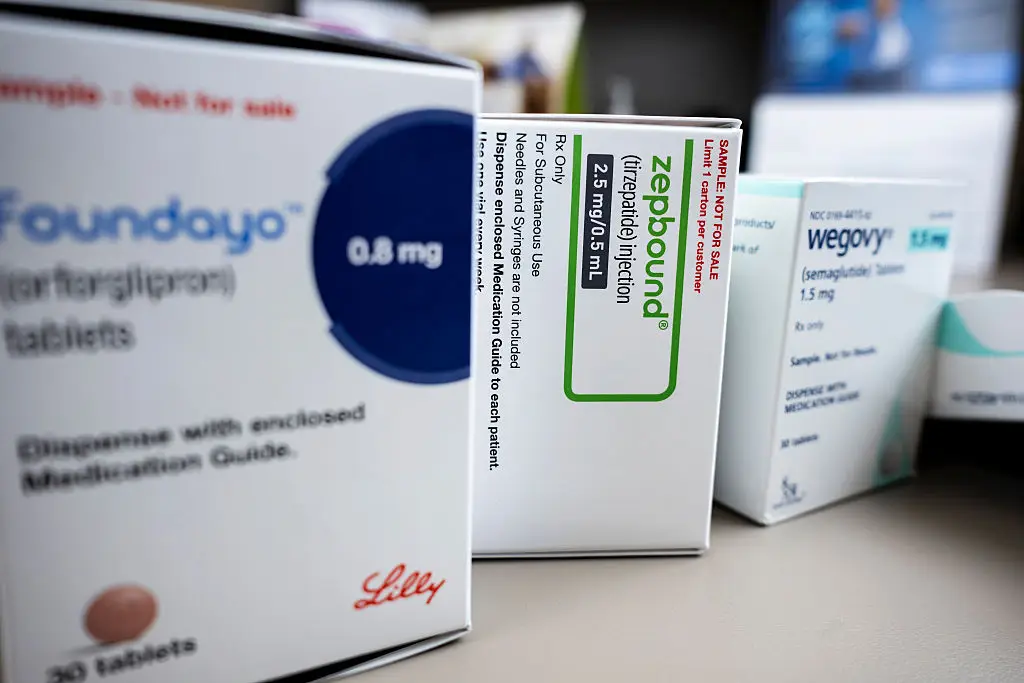
For many, a claim of '99% purity' might be enough to make them believe a peptide has been properly tested. Sarmiento warned this doesn't tell the whole story as he explained: "A product can have a high purity result while still failing to answer other important questions, including whether it contains the correct quantity of the compound, whether its identity has been independently confirmed or whether it has been screened for endotoxins and sterility where appropriate."
Being swayed by numbers like 99% can "create a false sense of confidence."
This is where the likes of Licensed Peptides come in, with a six-stage verification process looking for the likes of chemical purity, sterility, and endotoxin levels.
Calling for more transparency across the board, Sarmiento concluded: "Researchers deserve to know exactly how a batch has been tested, which laboratory carried out the testing and what those results actually demonstrate."
How are regulators tackling the peptide trend?
Regulators have a tough task ahead of them as they clamp down on the spiralling peptide market. Earlier in 2026, the UK's Medicines and Healthcare products Regulatory Agency (MHRA) seized around 2,000 doses of suspected illegal weight-loss medicines and other peptide products. Raids on two sites are believed to have stopped operations manufacturing and distributing unlicensed products.
Elsewhere, the US Food and Drug Administration has continued to clash with advisory panels over peptides. In July 2026, a vote went through that loosened restrictions on six unapproved wellness peptides (including BPC-157), adding them to the bulk compounding list and allowing legal access via prescriptions.
It's clear that health experts are still rightly concerned about the rise in peptide interest, but as the trend shows no signs of slowing down, potential patients will need to keep their wits about them.