NASA issues update as spacecraft faces fiery re-entry today after 22 years in space


The end is nigh for the Swift Observatory, as NASA has issued an update on the 3,200-pound telescope that's careening back toward Earth. Sadly, after 22 years of loyal service, the Swift Observatory is reaching the end of its lifespan and is coming down to Earth with a fiery bump.
While we've known this day is coming for a while, NASA has updated the general public on what will happen to the Swift Observatory and whether it poses any threat to us as it falls from space.
What is the Neil Gehrels Swift Observatory?
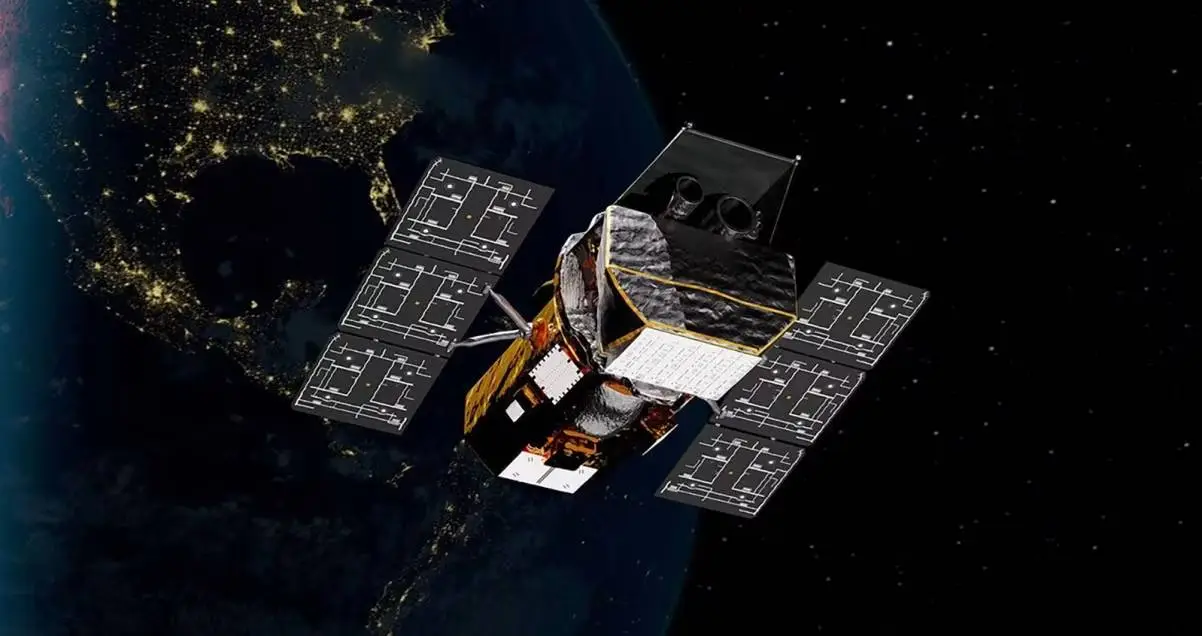
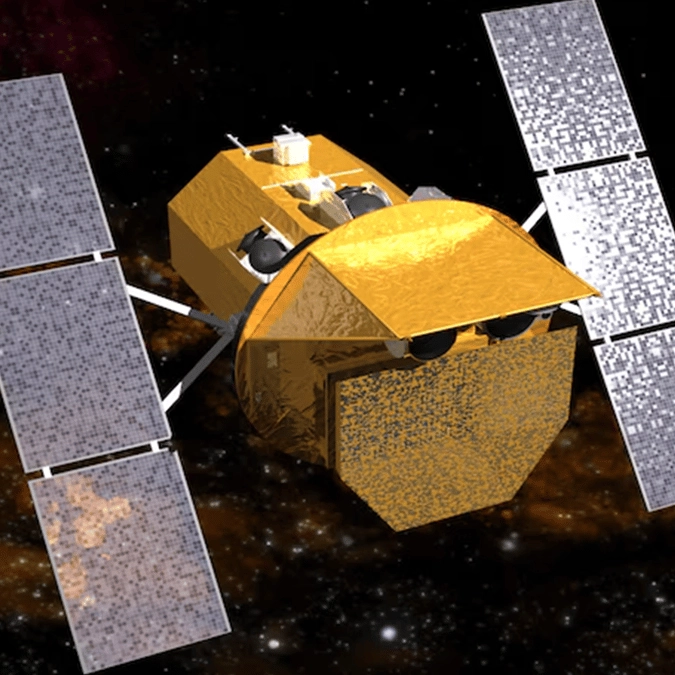
Launched in 2004, the Swift Observatory was the first-of-its-kind multiwavelength observatory, which was specifically designed to study powerful gamma-ray bursts out in the cosmos. As a joint partnership between the Goddard Space Center and an international consortium from the USA, UK, and Italy, the three-telescope observatory was initially called the Swift Gamma-Ray Burst Explorer. It gets its name from principal investigator Neil Gehrels, who headed up the program until his death in 2017, and was honored with the rename in 2018.
Advert
Gamma-ray bursts (GRBs) are said to be the most powerful explosions in the universe and typically signal the birth of new black holes or collisions between neutron stars.
NASA tends to fund its missions in short blocks of two to three years to keep costs manageable, but because the Swift Observatory was especially well-engineered, its initial two-year prime mission was extended to a whopping 22 years.
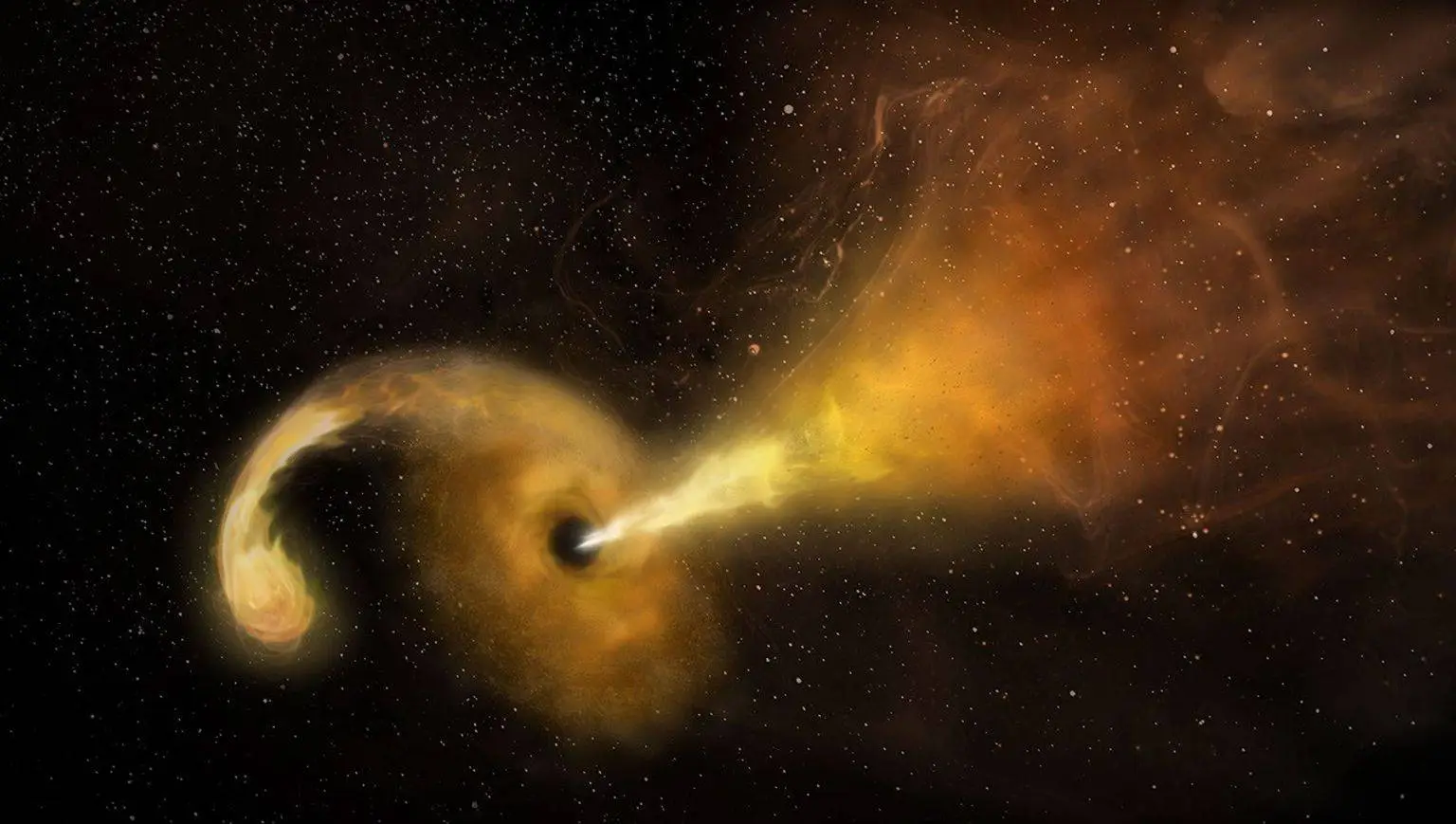
Swift outlived its expectations, capturing over 2,000 gamma-ray bursts while extending its scope to study supermassive black holes, supernovas, comets, and observe stars being torn apart. Sadly, all of that drama is coming to an equally dramatic end.
What will happen to NASA's Swift Observatory?
Unfortunately for the Swift Observatory, operations officially ended on October 20, 2026, due to severe orbital decay. Solar activity in Earth's upper atmosphere increased massively over the past few years and pulled the Swift Observatory down to an altitude of just 171 miles.
This came after NASA and private contractor Katalyst Space Technologies launched a failed $30 million rescue mission that attempted to boost the Swift back into a higher orbit.
Following Swift triggering its own internal safe mode to protect its essential systems, NASA then pulled a kill switch and left the observatory to the mercy of Earth's gravity. It's here we pick up the story.
In an update on the official NASA site, the agency confirmed the Swift Observatory's re-entry today (November 4) and celebrated the 22-year mission. The U.S. Space Force predicted a 3:30 a.m. EST re-entry into the atmosphere, but with an 11-hour uncertainty, it hasn't happened yet.
As for what happens to the debris of the Swift Observatory, NASA expects most of it to burn up as it travels through the atmosphere. We're warned that while some components are likely to survive re-entry, these fragments are "limited between 20.6 degrees south latitude and 20.6 degrees north latitude."
This puts the risk of harm to any of us at approximately 1 in 2,110, but NASA and Space Force will continue to monitor the situation.