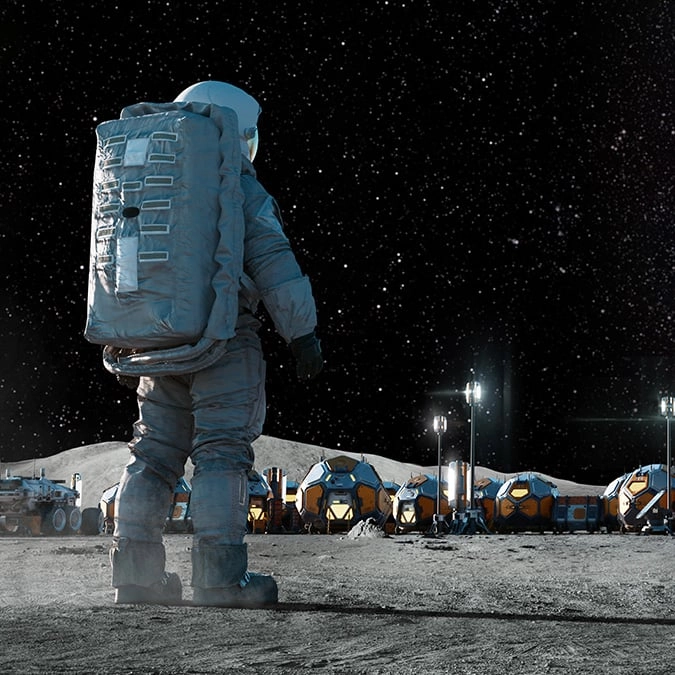
NASA set to make major Moon announcement tonight that could change space history


NASA is preparing to share a major update on its plans to put astronauts back on the Moon for the first time in over 50 years.
Following the successful Artemis II mission earlier this year which saw four astronauts conduct a flyby around the Moon before heading back to Earth, the space agency is now set to make a major announcement tonight (October 23).
It is thought that the update could change space history as NASA is expected to reveal how it intends to accelerate its upcoming lunar missions.
NASA officials will gather at the Kennedy Space Center in Florida for a press conference titled ‘Artemis Acceleration’ starting at 2pm EDT. NASA previously confirmed that the briefing would include updates on Artemis III, a mission designed to test crucial technology needed for future Moon landings, as well as progress towards its target of returning astronauts to the lunar surface by 2028.
Advert
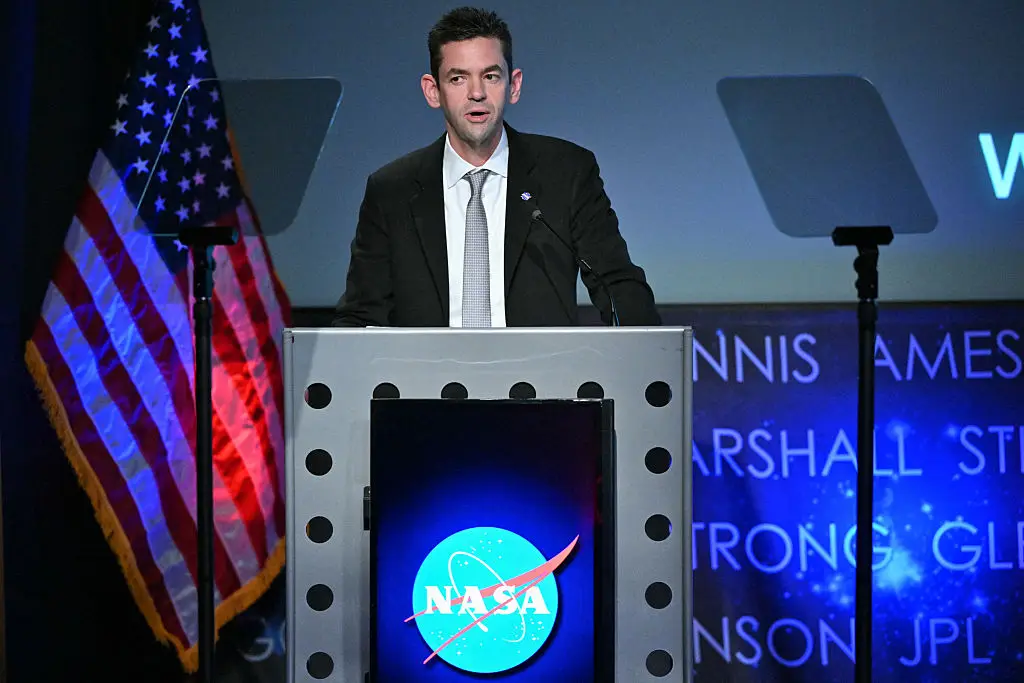
NASA Administrator Jared Isaacman will be joined by Associate Administrator Amit Kshatriya and Artemis program manager Jeremy Parsons for the announcement.
Artemis III is currently targeted for mid-2027 and will see four astronauts travel into low Earth orbit to test the systems needed for future lunar missions.
SpaceX is developing its Starship spacecraft for the program, while Blue Origin is working on its Blue Moon lunar lander, with both firms expected to play an important role in NASA’s lunar ambitions.
Artemis III is not currently planned to land astronauts on the Moon itself but instead will help the agency to establish whether the spacecraft and systems needed for that milestone are ready.
The next major step will be Artemis IV, which NASA hopes will deliver astronauts to the lunar surface near the Moon’s south pole in early 2028.
If all goes to plan, this will be the first time that humans have stepped foot on the Moon since the Apollo 17 mission in December 1972.
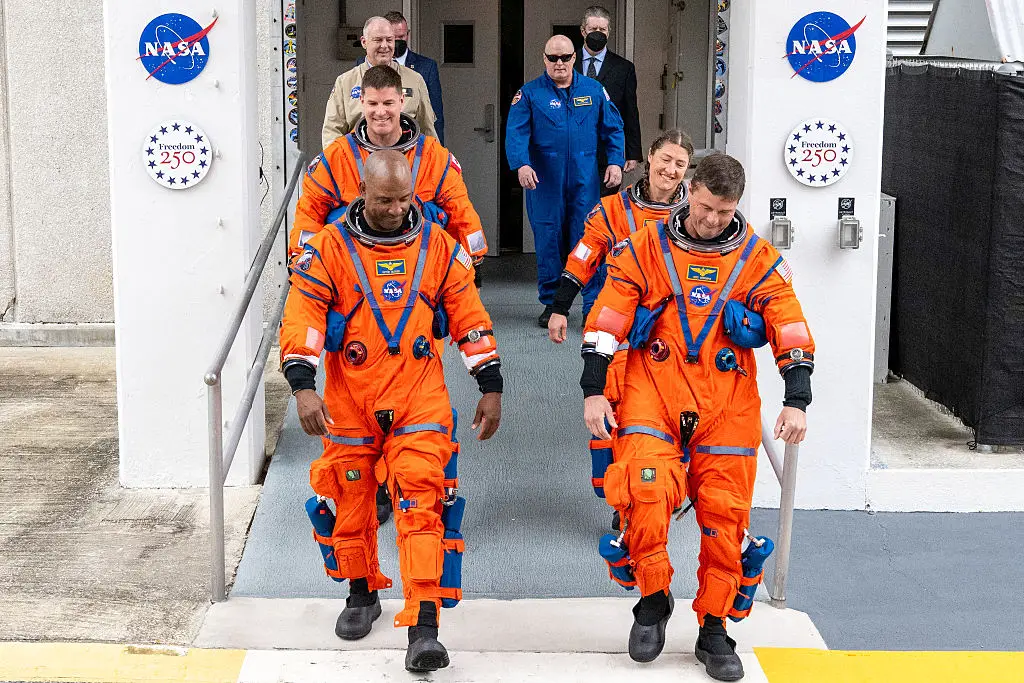
Artemis II saw astronauts travel to the Moon for the first time in over 50 years
While the crew of Artemis II didn’t land on the Moon, it marked a milestone in NASA’s lunar plans as it saw four astronauts, Commander Reid Wiseman, Pilot Victor Glover, Mission Specialist Christina Koch, and Mission Specialist Jeremy Hansen, fly past the lunar rock.
In doing so, the team also set a new record by traveling deeper into space than any human ever has before.
The record was previously set by the Apollo 13 crew who went as far as 248,655 miles away from Earth, but Artemis II broke this after their capsule reached the 252,756-mile mark before embarking on their return journey.