NASA safety department says next Moon mission is 'high risk' as it urges space agency to reconsider


It's nearly time for blast-off, but before Artemis II's planned April 2026 launch, NASA is looking even further ahead to warn about the potential dangers of Artemis III.
We're shooting for the stars, although Elon Musk has since dialled back his ambitions to populate Mars to focus on the Moon. That's good news considering Artemis III is due to put man on the Moon for the first time since 1972.
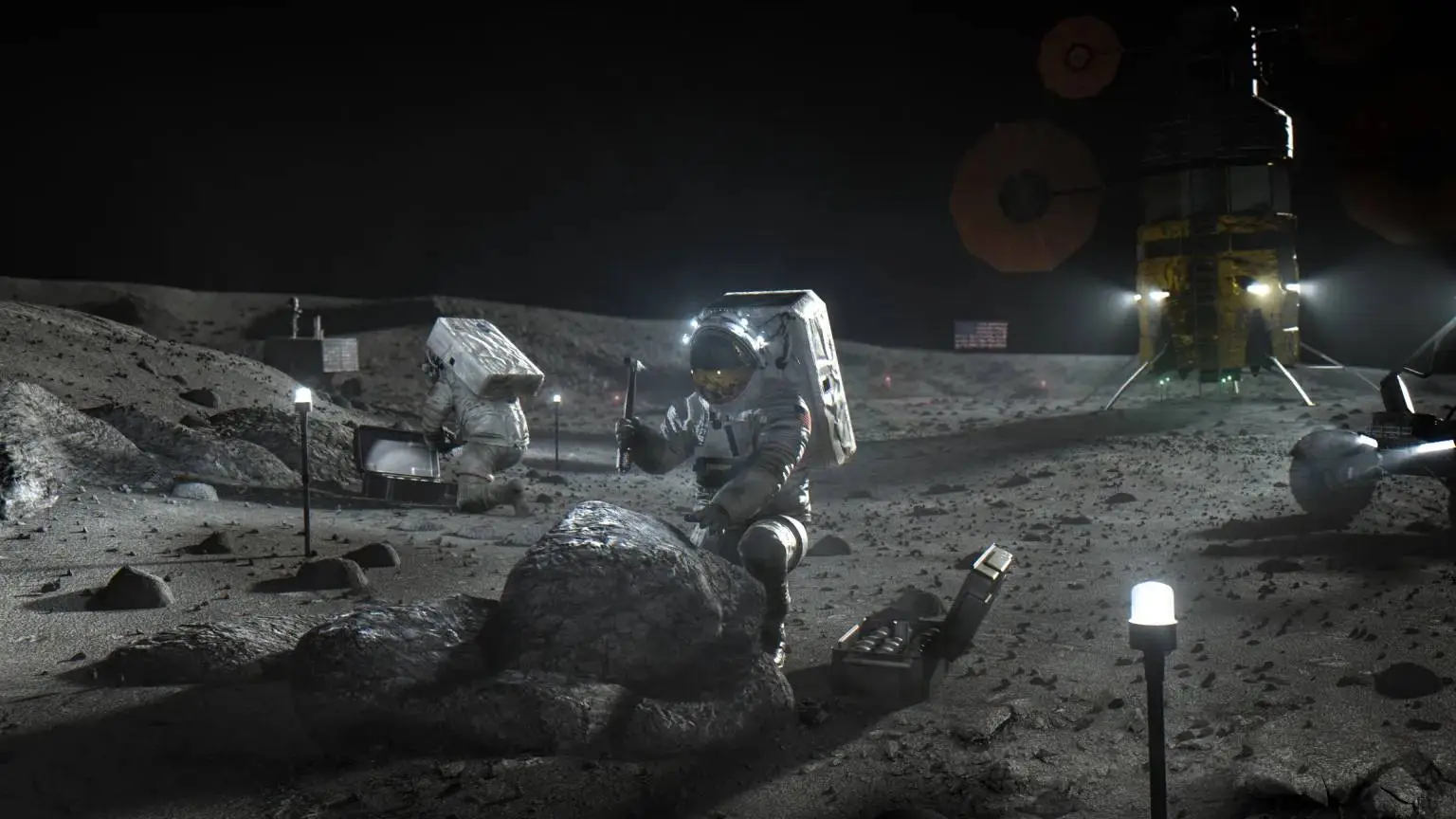
The intrepid quartet of astronauts stepping foot on the Moon is yet to be decided, but according to a report from NASA's Aerospace Safety Advisory Panel (ASAP), there are some major concerns about plans to land near the lunar South Pole.
As pointed out by The Register, the report flags the fact that SpaceX's Human Landing System (HLS) still hasn't been able to achieve orbit. There's also the fact that the mission will be the first time a crew will use the HLS, and that it will require up to 15 in-space re-fuellings.
Advert
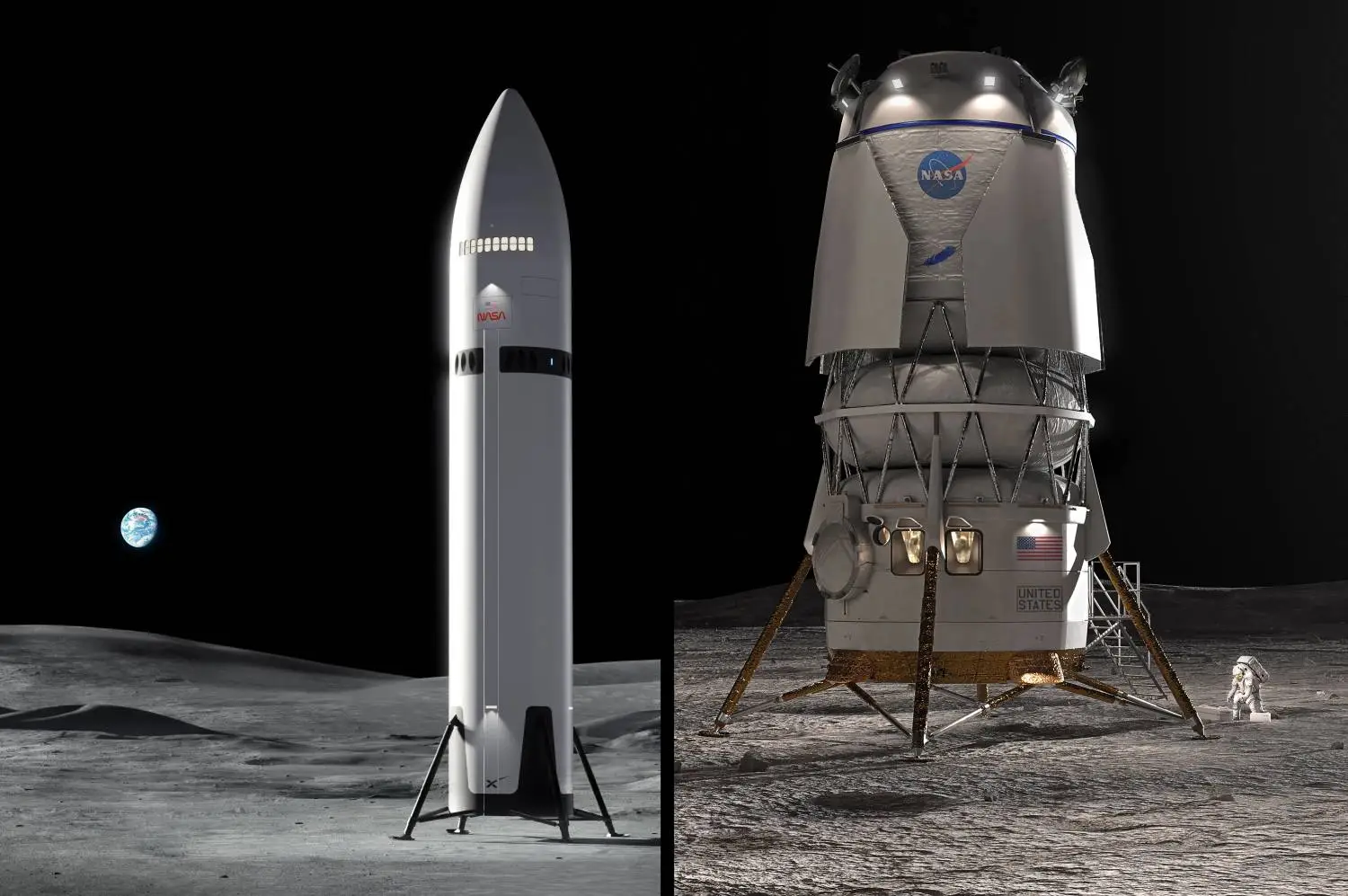
ASAP suggests that we take a slower approach to return to the Moon, with The Register reminding us how Apollo 7 was the first to put mankind into orbit and how it took until Apollo 11 for Neil Armstrong to take one small step for man.
Each mission used the success of the previous one to learn from mistakes and adapt accordingly. As Artemis II isn't even in the air yet, Artemis III's potential 2028 launch window could be pushed back.
Elsewhere in the report, it's noted that NASA no longer has the 35,000 full-time employees it had back in the Apollo era. Even though there were still some 15,000 employees in 2025, that's a significant drop that needs to be taken into account as technology evolves.
If that wasn't enough, the purse strings are tighter than ever, with NASA continuing to be hit by budget cuts. The report refers to Artemis III as 'high risk' and added: "Rebalancing objectives is thus essential to the safe achievement of the national objective – returning the United States to the Moon."
There are also mentions of the Starliner disaster that left Butch Wilmore and Suni Williams marooned aboard the International Space Station for 286 days, as well as the aging ISS that's due to be scrapped, and old spacesuits that astronauts are expected to wear while working outside.
Since its inception in 1968, the panel has continued to "review, evaluate, and advise on a wide range of program activities, systems, procedures, and management policies that contribute to risk." Priority is given to programs that include human space flight safety, and given previous disasters like 1986's Challenger and 2003's Columbia, the risks are clear.
If all of the above weren't enough to take into account, NASA has just shunted Artemis II even further back as its Space Launch System rocket has been wheeled back to the hangar for repairs. Having stood ready since January 17, the mission is now aiming for a potential April 1 launch.
As for Artemis III, President Trump has reiterated he wants to see America finally land back on the Moon before the end of his second term in 2029, but if ASAP has anything to do with it, we might miss that deadline.