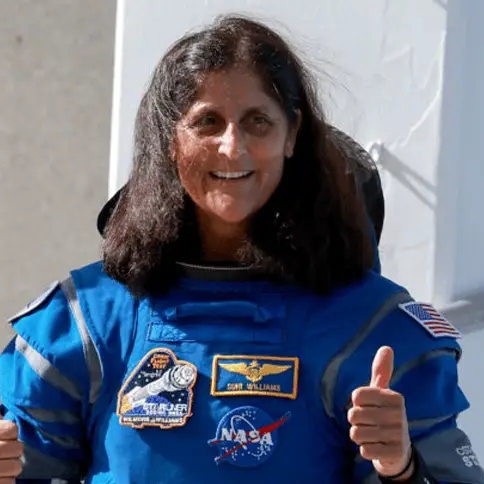
NASA report reveals failures that left two astronauts stranded for nine months to be one of worst in its history


Space travel is incredibly complex and while experts work for months and years to ensure that everything goes smoothly, that unfortunately doesn't always work with errors cropping up from time to time.
Thankfully most of these errors don't have a significant impact on the lives of astronauts, as NASA is understandably overly cautious when it does spot anything potentially wrong during a launch sequence, but there's little that the space agency can do once the rocket leaves Earth.
One of the most notable errors in recent history is the issue that emerged with the Boeing Crew Flight Test, as astronauts Butch Wilmore and Suni Williams saw their eight-day mission extended by nine months after being left 'stranded' on board the International Space Station (ISS).
Launching on June 5, 2024, the initial operation was deemed to be a success but issues arose when the Boeing Starliner spacecraft docked with the ISS, as it was determined that the thrusters had malfunctioned.
Advert
The Starliner returned to Earth a few months later but without the crew that it transported into space, and it took until March 18, 2025 for the 'stranded' astronauts to finally travel back home thanks to a SpaceX Dragon capsule.
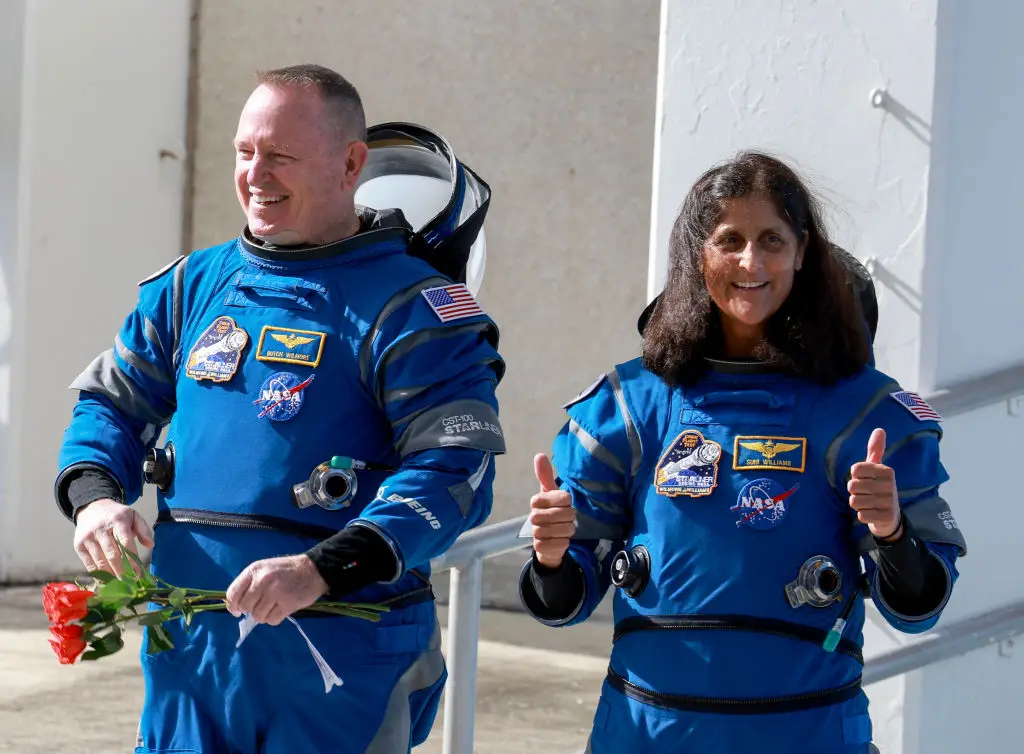
As reported by the BBC, a new 312-page report from NASA has determined that this error is among the most significant in the space agency's history, as while there were thankfully no injuries to the astronauts themselves, the risks it posed could have been catastrophic.
The report itself followed an independent investigation issued by NASA into why the Starliner malfunctioned, with hardware failure, leadership missteps, and cultural problems highlighted as the key factors that led to the issue.
New NASA boss Jared Isaacman has slammed both Boeing and his own space agency for the errors that led to the malfunction, noting that while Boeing craftsmanship was lacking, "NASA accepted it and launched two astronauts into space."
He continued to assert that "to undertake missions that change the world, we must be transparent about both our successes and our shortcomings. We have to own our mistakes sand ensure they never happen again."
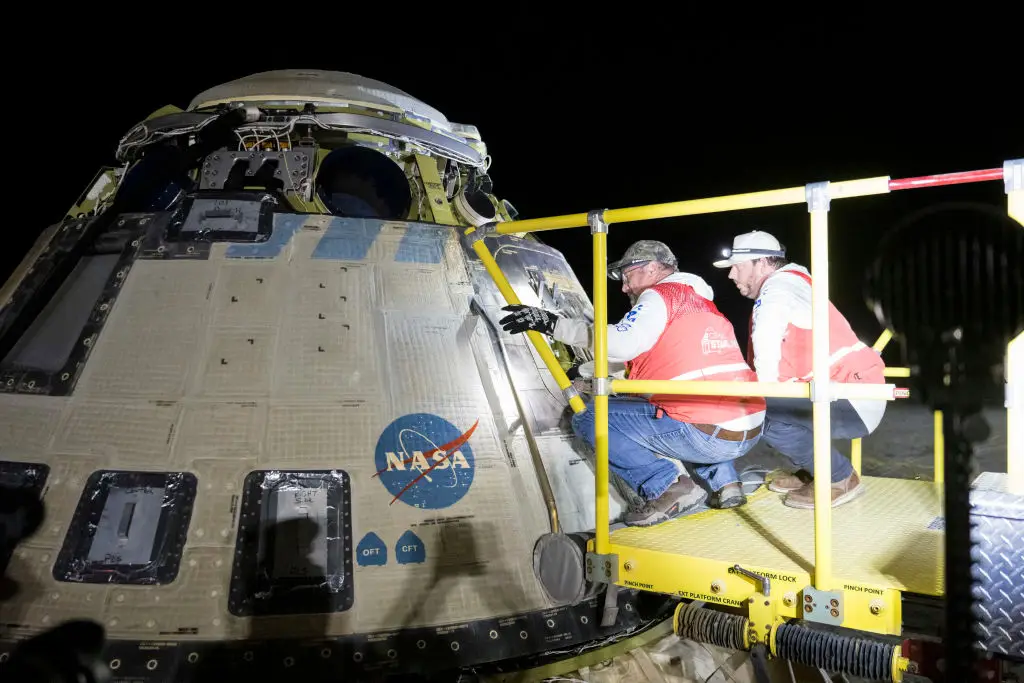
Isaacman branded the situation a 'Type A mishap', which is shared by the 2003 Columbia and 1986 Challenger space shuttle disasters, both of which were fatal, noting the dangers that the Starliner could have caused.
"We are correcting those mistakes," Isaacman declared. "Today, we are formally declaring a Type A mishap and ensuring leadership accountability so situations like this never reoccur."
NASA also added that "while there were no injuries and the mission regained control prior to docking, this highest-level classification designation recognises there was potential for a significant mishap."