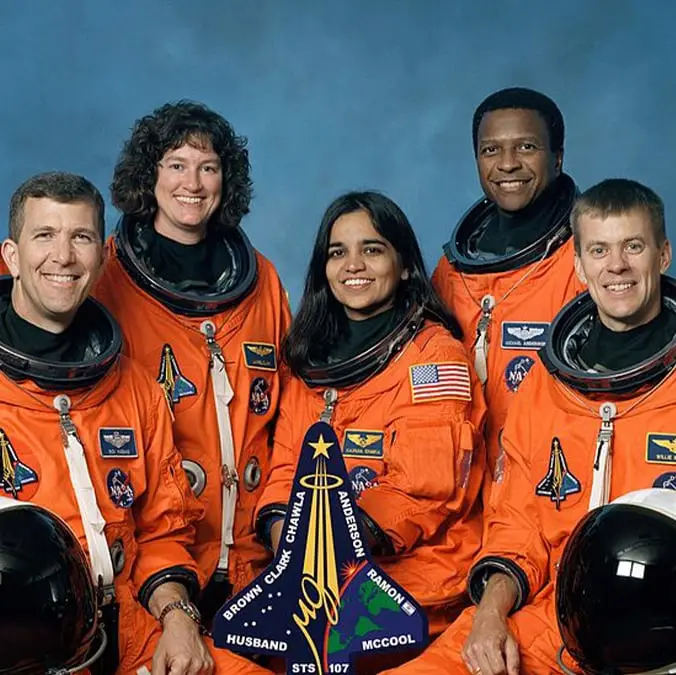
NASA paid $26.6M to families after seven astronauts died just 16 minutes from Earth after history-making mission


A tragic moment in history led NASA to pay $26.6 million to the families of seven astronauts who died when they were just 16 minutes away from Earth.
This all happened back in 2003 when NASA sent the Space Shuttle Columbia into space on a mission.
However, it was upon re-entry that disaster struck, killing all seven astronauts: Rick D. Husband, William C. McCool, Michael P. Anderson, Kalpana Chawla, David M. Brown, Laurel B. Clark, and Ilan Ramon.
Advert
To make things even more tragic, the original problem with the spacecraft was actually very small as, during the launch, a piece of foam insulation fell from the shuttle’s external tank and struck the wing.
It didn’t seem like a major issue at the time as something similar to this had happened before, however, this time it caused a tiny breach in the shuttle’s heat shield.
After 16 days in orbit on mission STS-107, Columbia began its journey back down to Earth but as it re-entered Earth’s atmosphere, temperatures outside the shuttle reached around 1,650°C and that small hole became crucial.
Superheated air rushed inside, slowly melting the internal structure.
When the sensors began to fail, the crew had no idea what was happening.
But just minutes later, the entire shuttle broke apart over Texas and there were no survivors.
An investigation later revealed the warning signs had been there but the risk had been underestimated.
This resulted in NASA paying out $26.6 million to the families of the astronauts involved as the space agency obtained money for the settlement through a congressional appropriation.
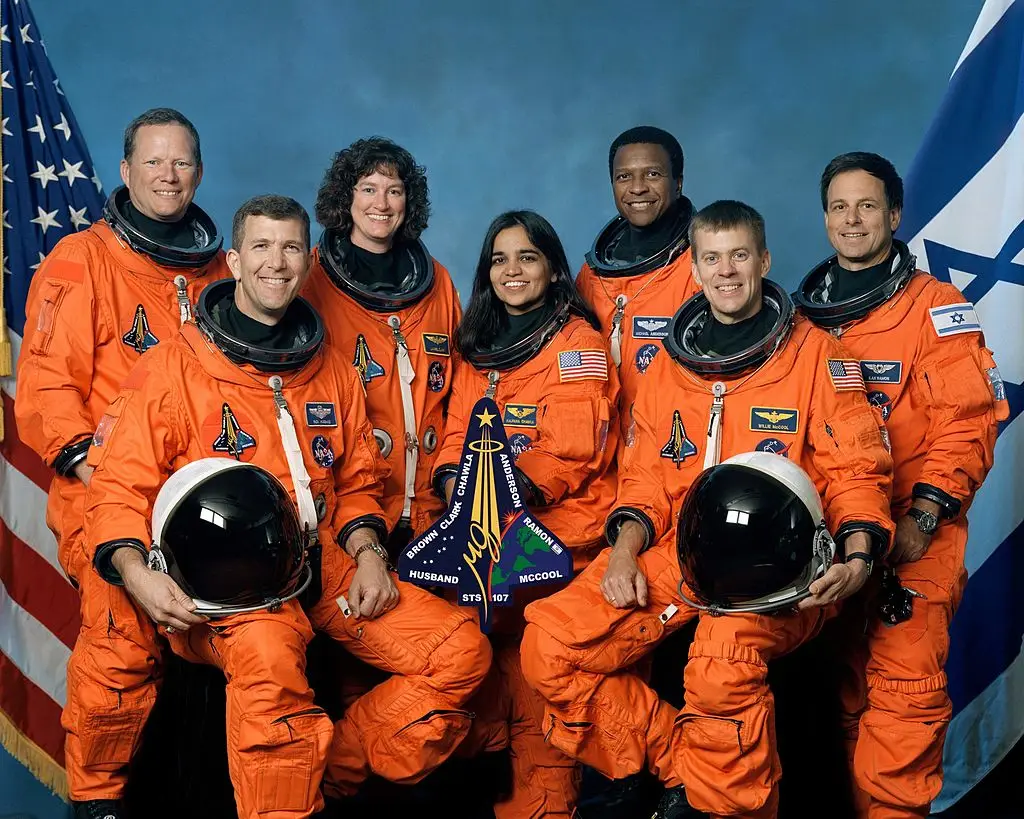
According to a report by NBC News, NASA spokesman Allard Beutel said: “Everything has been done to help the families as much as can be done. It's a public event but yet it's very personal to them.”
Now, 23 years on from the disaster, a new mission - Artemis II - is expected to re-enter the Earth’s atmosphere later today.
The mission saw four astronauts embark on the first human crewed journey to the Moon in over half a century.
After successfully completing a flyby of the lunar rock on Monday (April 6), the team used the Moon’s gravitational pull to slingshot themselves back to Earth.
They are scheduled to splashdown just off the coast of San Diego just after 8pm where they will be sent for an immediate medical evaluation upon arrival.
The 10-day mission marks the start of NASA’s new lunar programme to get humans back on the Moon.