NASA is using a sneaky legal loophole to quietly carve up real estate on the Moon


The 1967 Outer Space Treaty is strict when it comes to owning parts of the Moon. It dictates that no country can legally 'own' a single square inch of the lunar surface, but NASA has found a sneaky loophole to start calling dibs anyway.
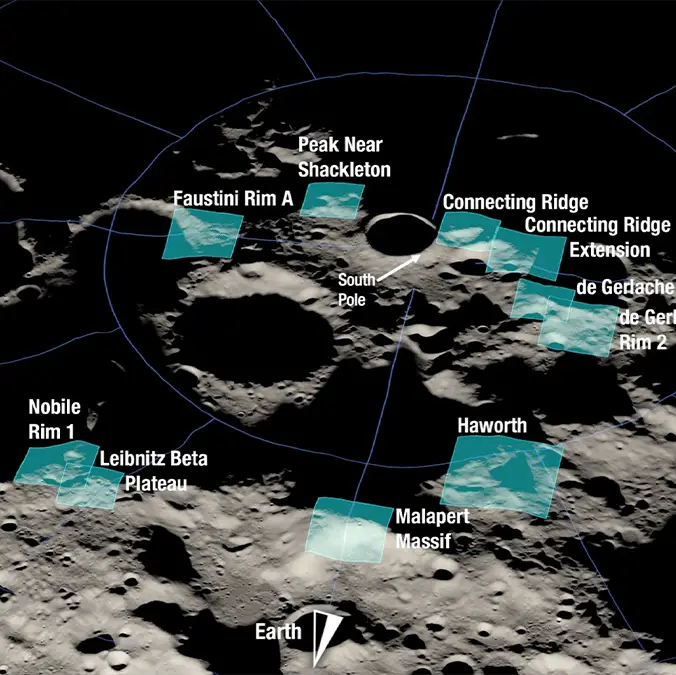
Under a controversial international framework known as the Artemis Accords, the space agency is utilizing autonomous "hopper" drones at the lunar South Pole to map out digital boundaries called "Safety Zones." Legal experts and international critics warn that this clever legal workaround is effectively carving up the first multi-billion-dollar chunks of premium lunar real estate, locking out rival nations like China before they even launch.
The US isn’t the only nation with such ambitious plans as China previously revealed it was working on a similar project.
Advert
According to the space agency, its MoonFall mission will ‘blaze a path for future science and human exploration of the Moon’.
How NASA’s ‘Safety Zones’ bypass international space law
On paper, NASA has a big legal problem here. Under Article II of the historic 1967 Outer Space Treaty, no nation on Earth has the right to claim sovereignty or "own" a single square inch of the Moon. Legally, it belongs to all of humanity. But Washington and Silicon Valley aren't about to let decades-old red tape get in the way for a history-making mission like Artemis. Enter the US-led Artemis Accords and a genius legal workaround known as "Safety Zones."
Officially, these zones are just temporary, localized operational buffers set up around lunar habitats, landing pads, and ice-mining rigs. They are technically designed to prevent "harmful interference," forcing rival operators to notify NASA of their presence and coordinate their movements to avoid catastrophic accidents.
The autonomous drone fleets quietly drawing lunar borders
The mission will be achieved by sending four JPL-built propulsive drones to survey the lunar surface at potential Artemis landing sites in ‘unprecedented detail’.
With this, NASA plans to help establish a sustained US presence in the lunar South Pole region.
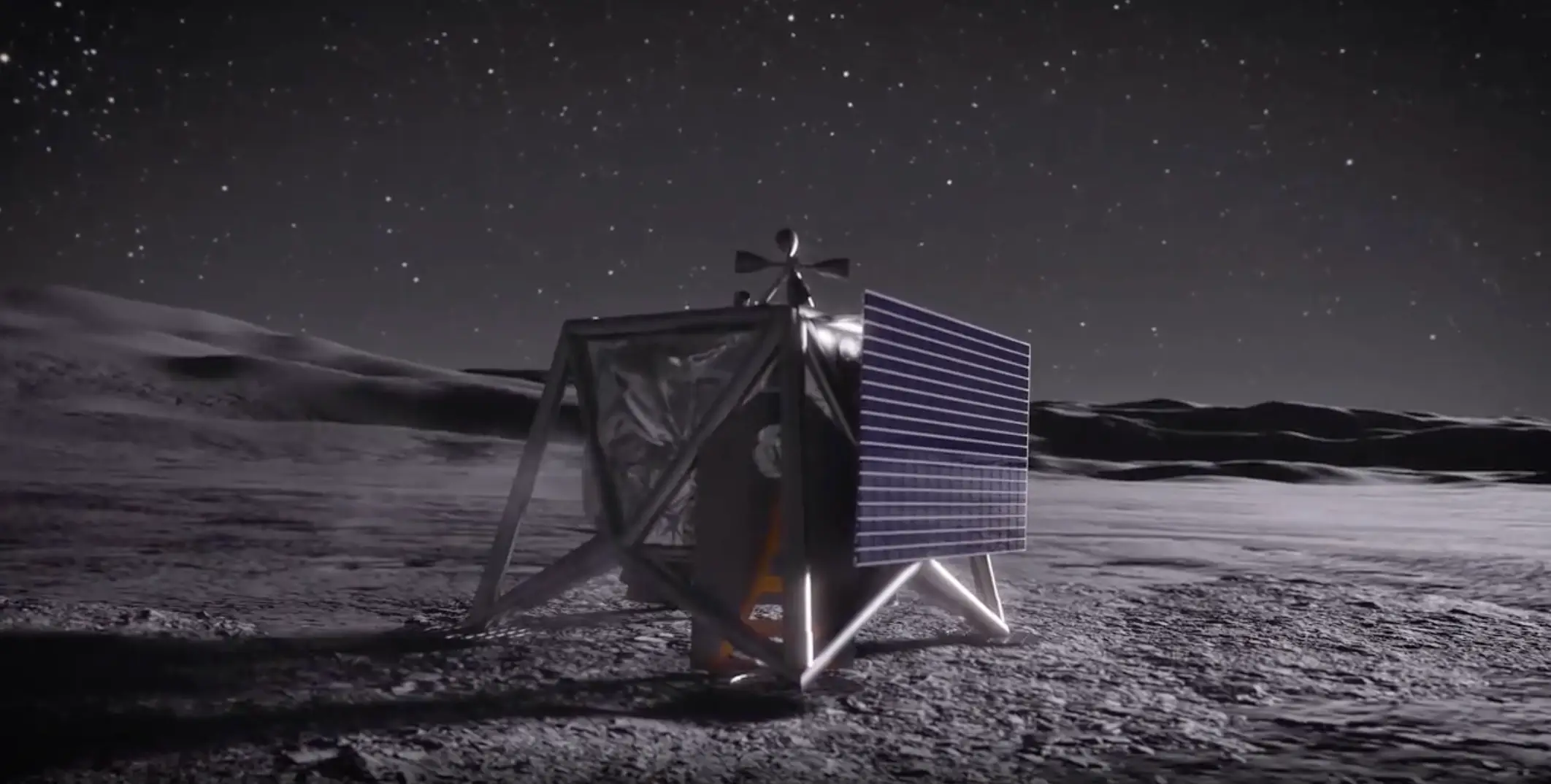
MoonFall is the initial phase of this initiative and it intends to land a series of robotic launches on the lunar South Pole by 2028.
On the NASA website, it explained: “After launch, the drones will be transported from Earth orbit to the Moon by Firefly Aerospace’s Elytra spacecraft, which will deploy them mid-descent. They will land on the lunar surface individually and operate independently, each using as many as 10 high-definition optical cameras to acquire high-resolution imagery and video of hard-to-reach terrain.
“Each drone will use its propulsion system to make multiple flights over the course of a single lunar day (up to 14 Earth days). About 550 pounds including propellant, each drone will be approximately 7 feet in diameter and 4 feet tall.
“MoonFall’s Lunar Dashcam imaging system will produce digital terrain maps at significantly higher resolution than current satellite imagery.”
If successful, we might one day see humans living full-time on the Moon.