Inside NASA's Mars simulation as paid volunteers spend a year there


NASA is currently holding a Mars simulation that will allow to send the first-ever crewed mission to the planet in the next decade.
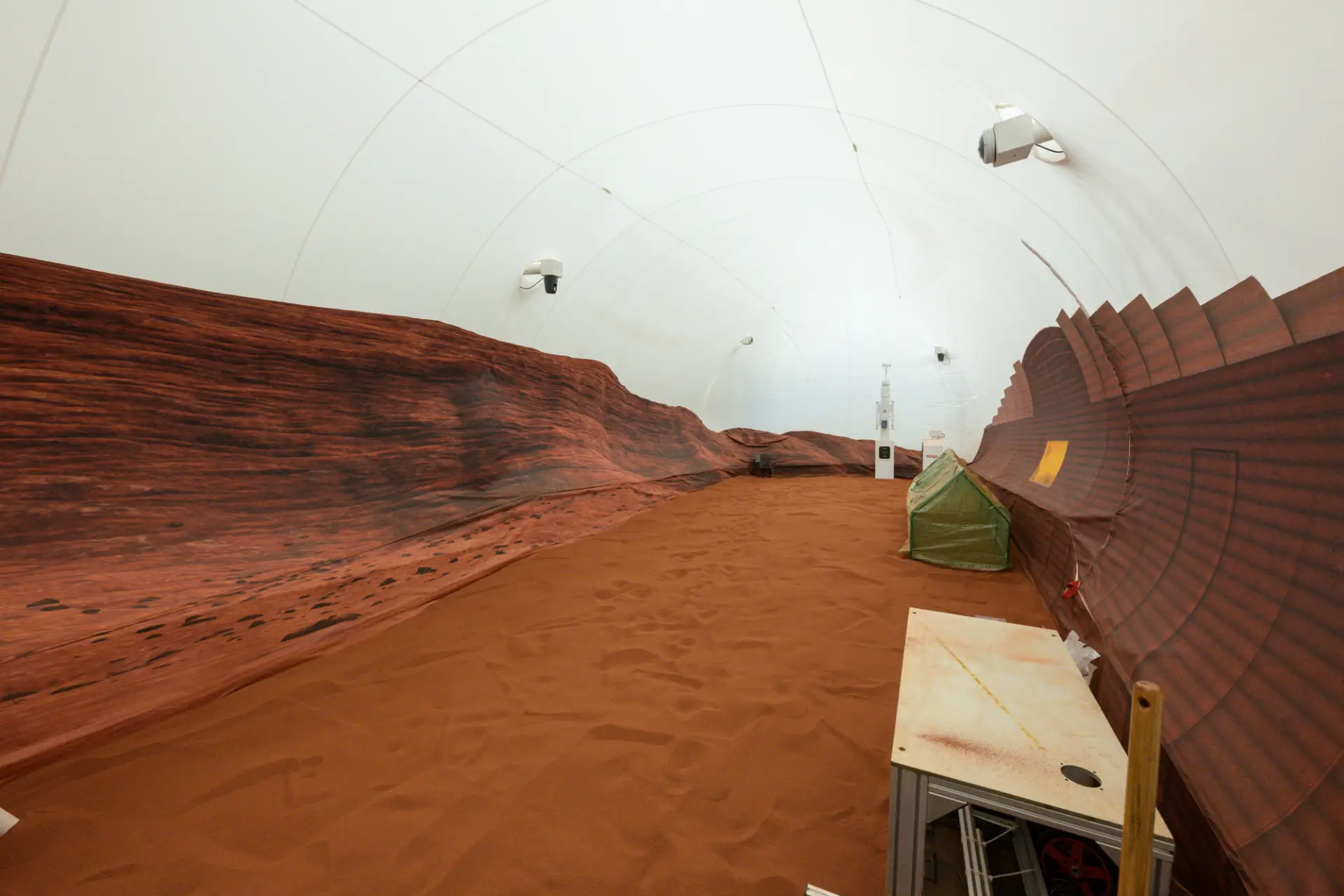
Started last year after a painstaking selection process, NASA's year-long Mars simulator hosts four members of the public inside a habitat at the agency’s Johnson Space Center in Houston, Texas.
Air Force pilot Ross Elder, US Space Force colonel Ellen Ellis, hardware engineering design consultant Matthew Montgomery, and technical director in the aerospace and defence industry James Spicer entered the 1,700-square-foot Mars Dune Alpha habitat — the size of a three-bedroom house — last 19 October to begin their mission.
This analog mission’s alternate crew members are Marine captain Emily Phillips and commercial airline pilot Laura Marie, standing by after a rigorous training in case a crew member opts out.
Advert
Set to conclude on 31 October this year, the 378-day-long simulation sees the quartet working and living like astronauts for the duration of the mission, undergoing a series of Earth-based missions known as Crew Health and Performance Exploration Analog ( CHAPEA), carried out in the 3D-printed habitat.
The crew are faced with realistic obstacles that astronauts might encounter during their space missions, including resource limitations, equipment failures, communication delays, isolation and confinement, and other stressors, alongside simulated high-tempo extravehicular activities, so NASA can best prepare and determine how to approach a crewed mission to Mars, expected to take place in the next decade.
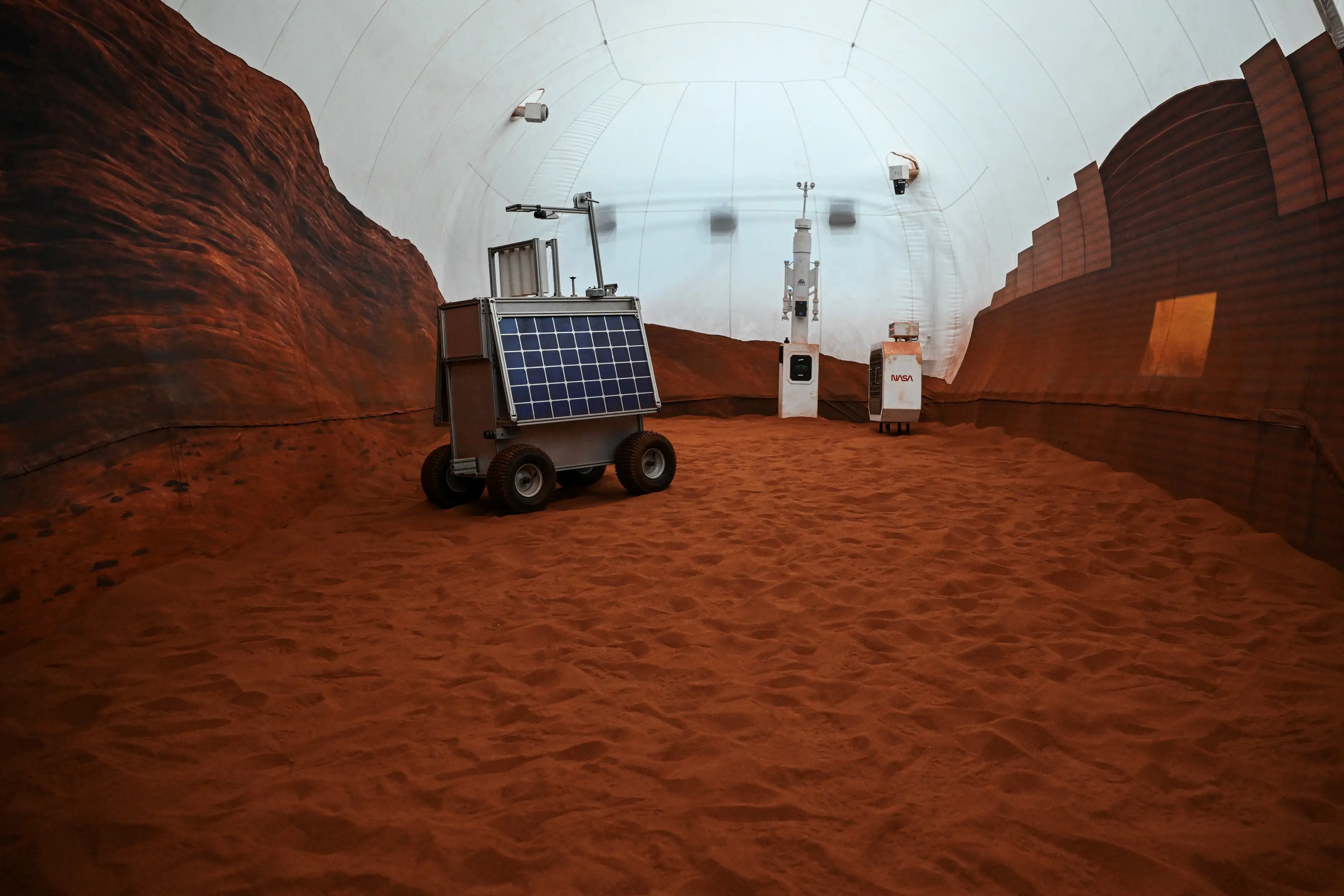
Crew members are also asked to carry out scientific research and operational tasks, including simulated Mars walks, growing a vegetable garden, robotic operations, and more, as well as practising personal hygiene, exercising and drawing blood samples. They also had limited communication with family and friends.
Additionally, the four simulation crew members have been testing technologies specifically designed for Mars and deep space exploration, from a potable water dispenser to diagnostic medical equipment.
“As NASA gears up for crewed Artemis missions, CHAPEA and other ground analogs are helping to determine which capabilities could best support future crews in overcoming the human health and performance challenges of living and operating beyond Earth’s resources – all before we send humans to Mars,” said Sara Whiting, project scientist with NASA’s Human Research Program at NASA Johnson.
“The simulation will allow us to collect cognitive and physical performance data to give us more insight into the potential impacts of the resource restrictions and long-duration missions to Mars on crew health and performance,” said Grace Douglas, CHAPEA principal investigator. “Ultimately, this information will help NASA make informed decisions to design and plan for a successful human mission to Mars.”
As previously announced, this unique opportunity to experience up-close what the life of an astronaut entails is a strictly voluntary position, though participants will be ‘reimbursed’ for their time. The reimbursement amount hasn’t been disclosed.