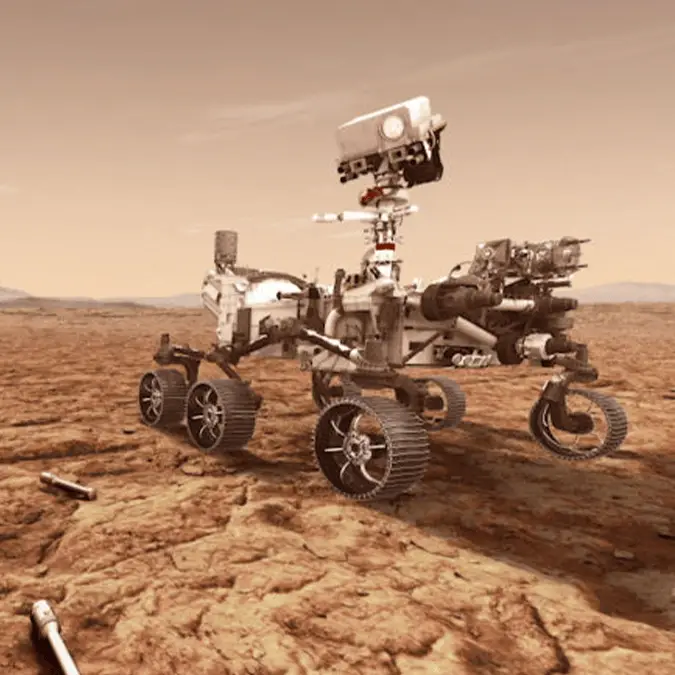
NASA's Perseverance rover spots something on Mars that should not be there


NASA's Perseverance rover has been roaming the surface of Mars for over five years now, yet suddenly it has discovered something that shouldn't be there, leaving scientists back on Earth both puzzled and intrigued.
We've always learning new things about space as exploration efforts continue, and while the outer reaches of the universe remain the most mysterious to scientists right now, there's often plenty we've yet to find out about the planets that are figuratively on our doorstep.
Outside of efforts to return to the Moon, the biggest destination for every space agencies across the world is Mars as humans have never quite been able to reach the big red planet as of yet.
So far the only efforts we've been able to achieve when it comes to exploration are robotic rovers equipped with cameras that drive across the planet's surface, and while astronauts are currently undergoing long-term training to survive on Mars' surface, it's still a long way off right now.
Advert
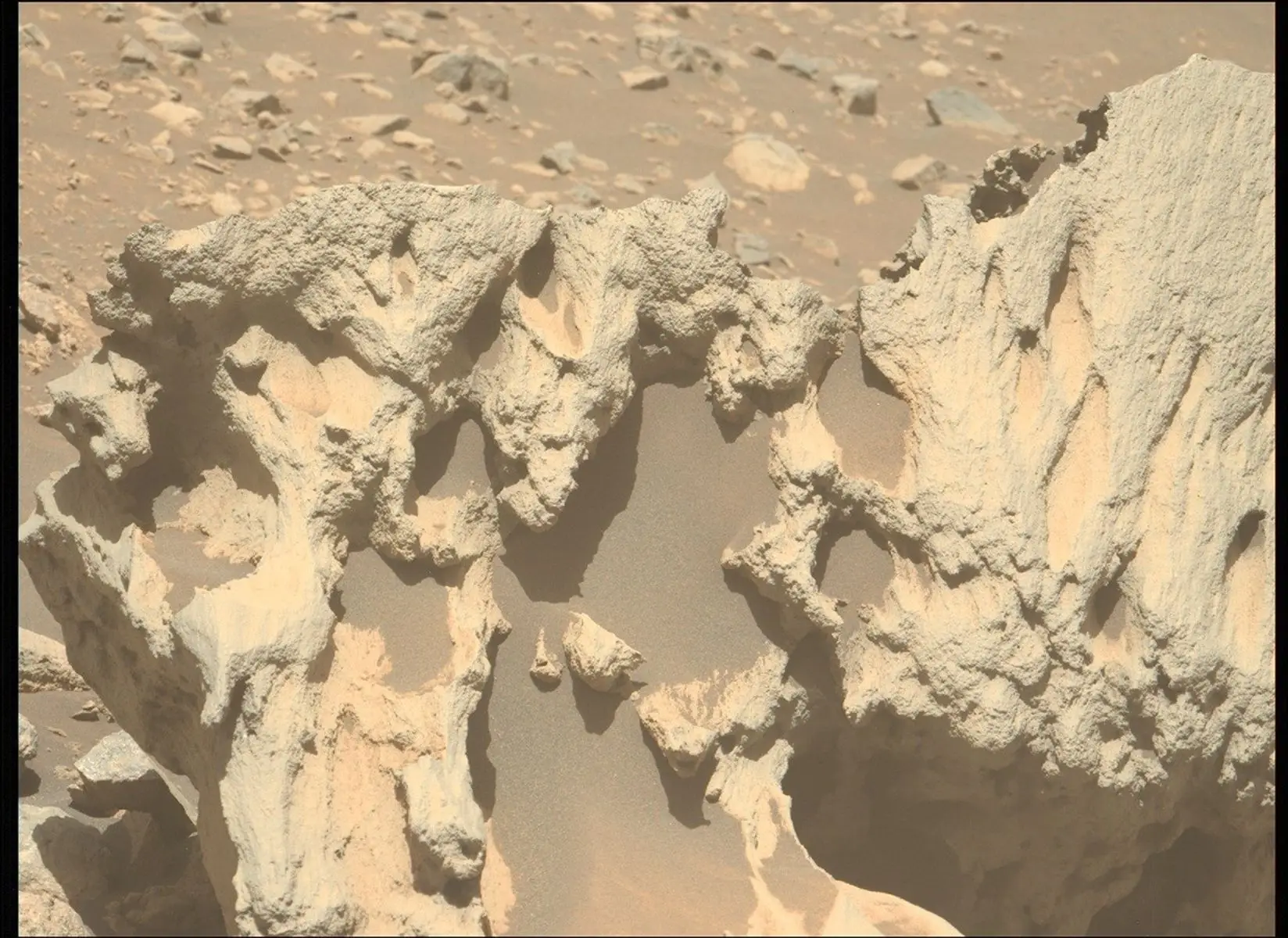
That doesn't mean that the rovers aren't able to make miraculous discoveries though, as a recent find has left scientists amazed by an ambiguous rock that isn't really supposed to be where it was found.
As reported by ScienceAlert, the rock in question was discovered by the Perseverance rover in the Vernodden area of Jezero Crater, and measure around 80 centimeters (31 inches) wide.
It has been named Phippsaksla by NASA's scientists, and what makes it stand out is its geological composition, as the rock is rich in iron and nickel, suggesting that it hasn't always existed on Mars.
Deduction leaves the most likely possibility being that Phippsaksla is a meteorite that crash landed onto Mars at some point in the past, originating from the core of a large asteroid from the early days of our Solar System.
It was originally spotted due to its unique shape, which is much larger and stands far higher than other rocks in its nearby proximity, causing the Perseverance rover to become alerted and snap multiple photos from near and far.
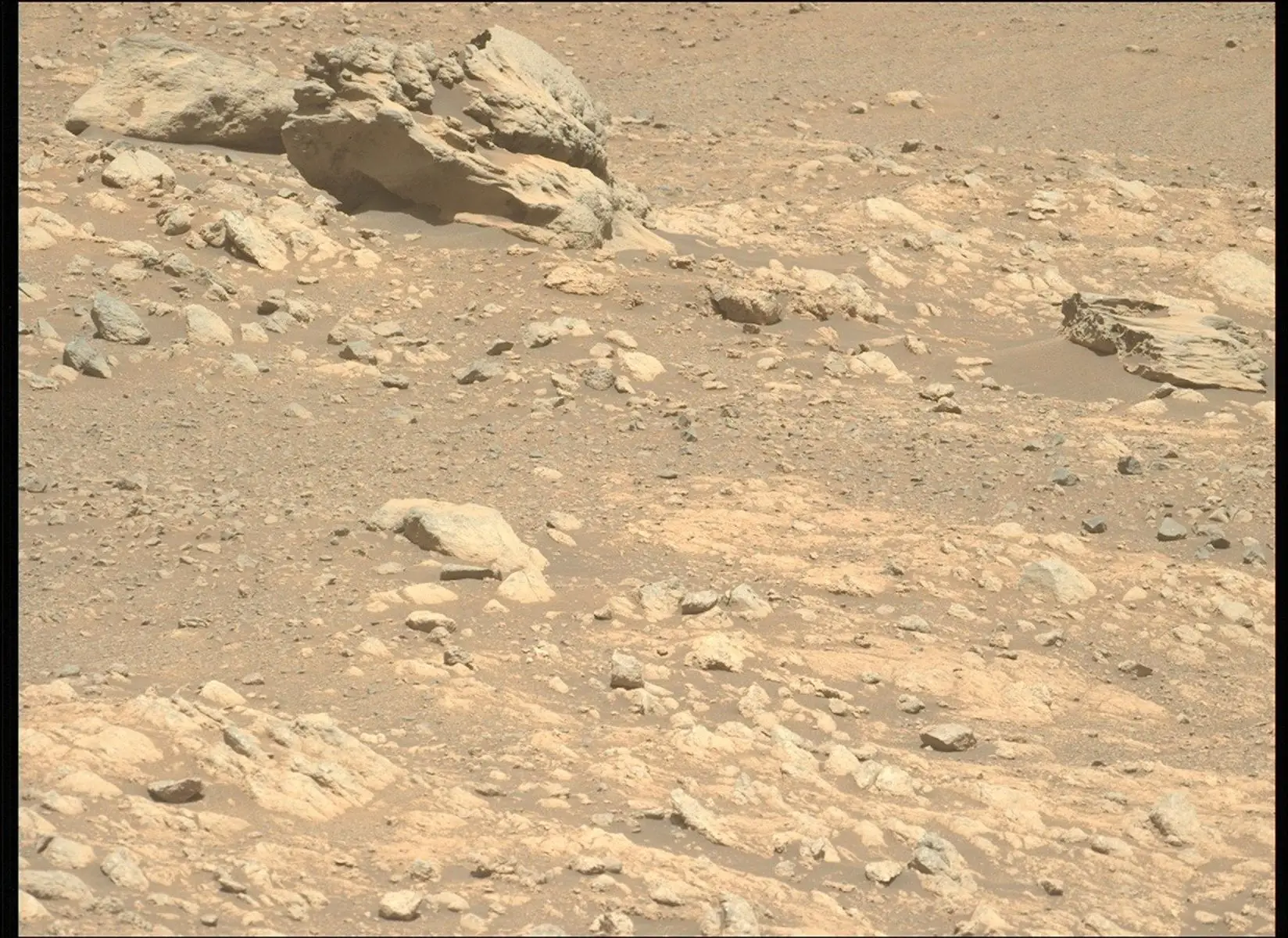
It was then able to use the rover's SuperCam instrument to analyze the rock, taking advantage of lasers and spectrometers which measure light wavelengths to detail the rock's internal chemistry, which then led to the conclusion that we seemingly have now.
It's not the first iron-nickel meteorite to be found on Mars' surface but it is the first time that the Perseverance rover has managed to pick one up, and it will likely continue to illuminate our understanding of the nearby planet and the solar system as a whole when further analysis is conducted.