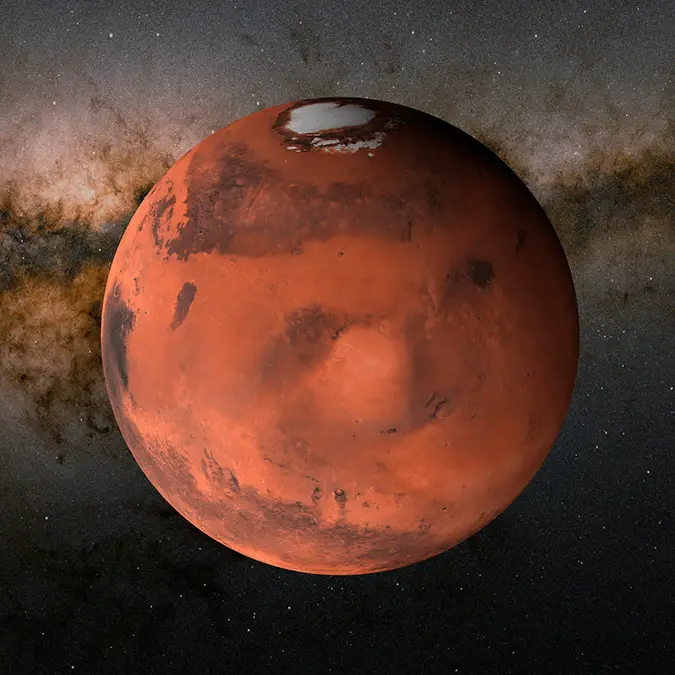
Scientists make shocking discovery that changes everything we thought we knew about Mars


When we think we've learned everything about Earth and our place in the solar system, science comes along and completely flips our understanding on its head.
But Mars has been particularly puzzling for researchers. One study suggests Mars was warm and wet billions of years ago, while another finding indicates it was mostly cold and icy during that same period.
NASA's Perseverance Rover has been on the ground trying to settle this debate by analysing clay minerals and seeking signs of life.
Advert
Now, a new study used data from Perseverance and revealed when the Red Planet was likely at its most habitable.
The researchers focused on a period called the Noachian epoch, which lasted from about 4.1 to 3.7 billion years ago. This era coincided with something called the Late Heavy Bombardment (LHB), which was basically a time when the solar system was getting pummeled by massive meteorites.
You can still see the scars from this chaotic period on Mars today. The enormous Hellas and Argyre impact craters are each over a thousand miles wide and could hold all the water in the Mediterranean Sea.
From this period, we can see dried-up river valleys, ancient lake beds, old coastlines, and river deltas—clear signs that water was flowing freely across the planet.
During the Noachian period, the sun was about 30% dimmer than it is today, which means less heat was reaching Mars. For the planet to stay warm and wet despite this weaker sunlight, its atmosphere would have needed to be much thicker than today and packed with greenhouse gases like carbon dioxide.
But at a high enough atmospheric pressure, CO2 starts forming clouds that cool the temperature down.
As such, many scientists have leaned toward the 'cold and icy Mars' theory.
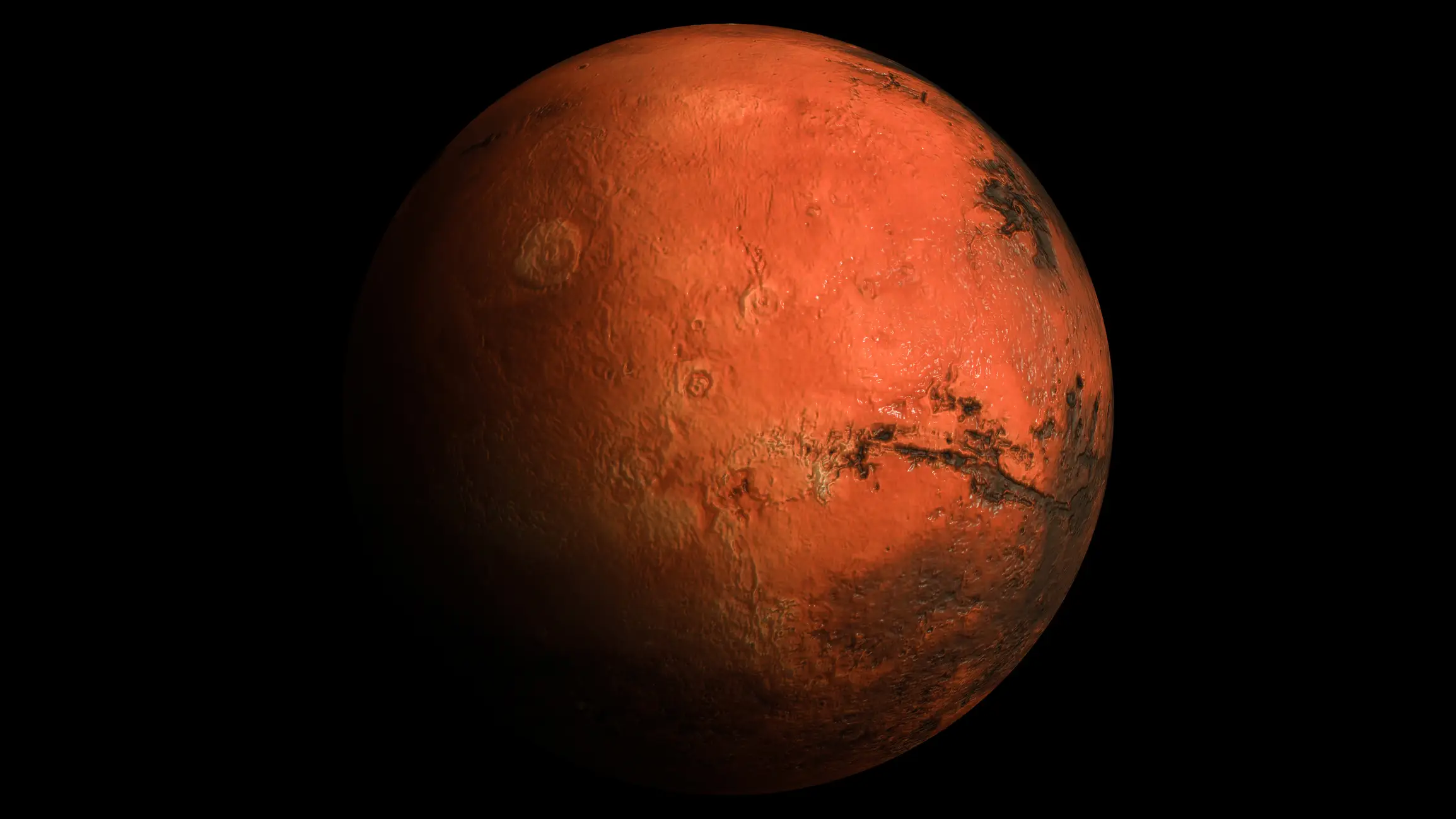
Focusing on aluminium-rich clay pebbles called kaolinite, the scientists recognised that many showed signs of intense weathering and chemical changes from water exposure during the Noachian period. These clay pebbles would have formed under heavy rainfall conditions similar to 'past greenhouse climates on Earth that likely represent some of the wettest intervals and possibly most habitable portions of Mars' history,' the study noted.
Moreover, these conditions likely these conditions likely lasted for thousands to millions of years which is plenty of time for life to potentially emerge and evolve.
The samples are now stored in containers on the Perseverance rover, waiting to be brought back to Earth for detailed analysis. However, since NASA recently cancelled the Mars sample return mission, it means we probably won't get to study these potentially game-changing samples anytime soon.