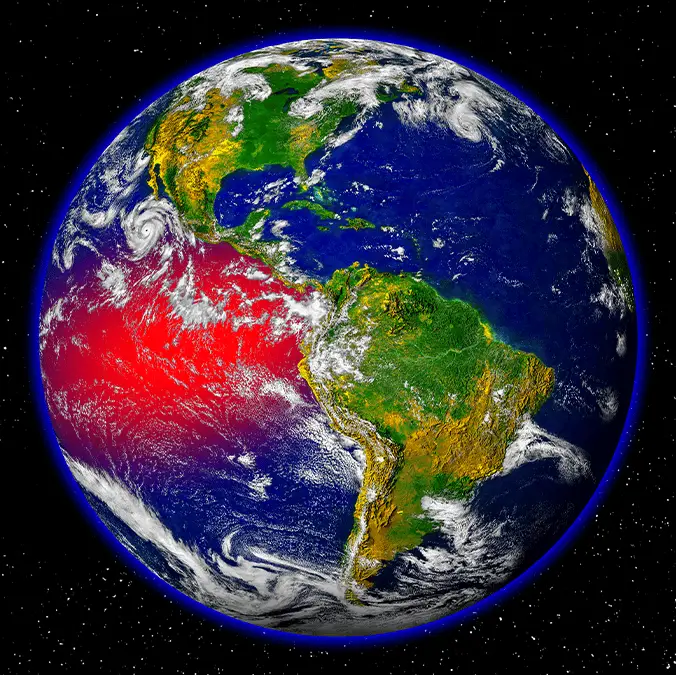
Experts fear incoming 'super' El Nino could trigger global phase 5 'catastrophe'


The world could be plunged into catastrophe as experts express fear over an incoming 'super' El Niño this summer, with the threat of famine and climate disaster looming thanks to dramatic weather shifts.
Unpredictability and inconsistency is the bane of modern industry, and unfortunately the climate is something you simply can't control — even if some countries are miraculously able to summon rainfall using clever tricks.
With globalization in full swing, impacts across the world can send everything into chaos as shortages and slowed production ripple through each nation's economy and availability, and the threat of severe weather this summer could plunge large sections of our planet into chaos.
As reported by The Conversation, this danger revolves around the prospect of a 'super' El Niño, with climate scientists and agricultural experts issuing major warnings for what's to come.
What is an El Niño?
El Niño refers to a natural phenomenon within the climate that occurs irregularly roughly every two to seven years, as ocean surface temperatures warm considerably in the central and eastern tropical Pacific Ocean.
Advert
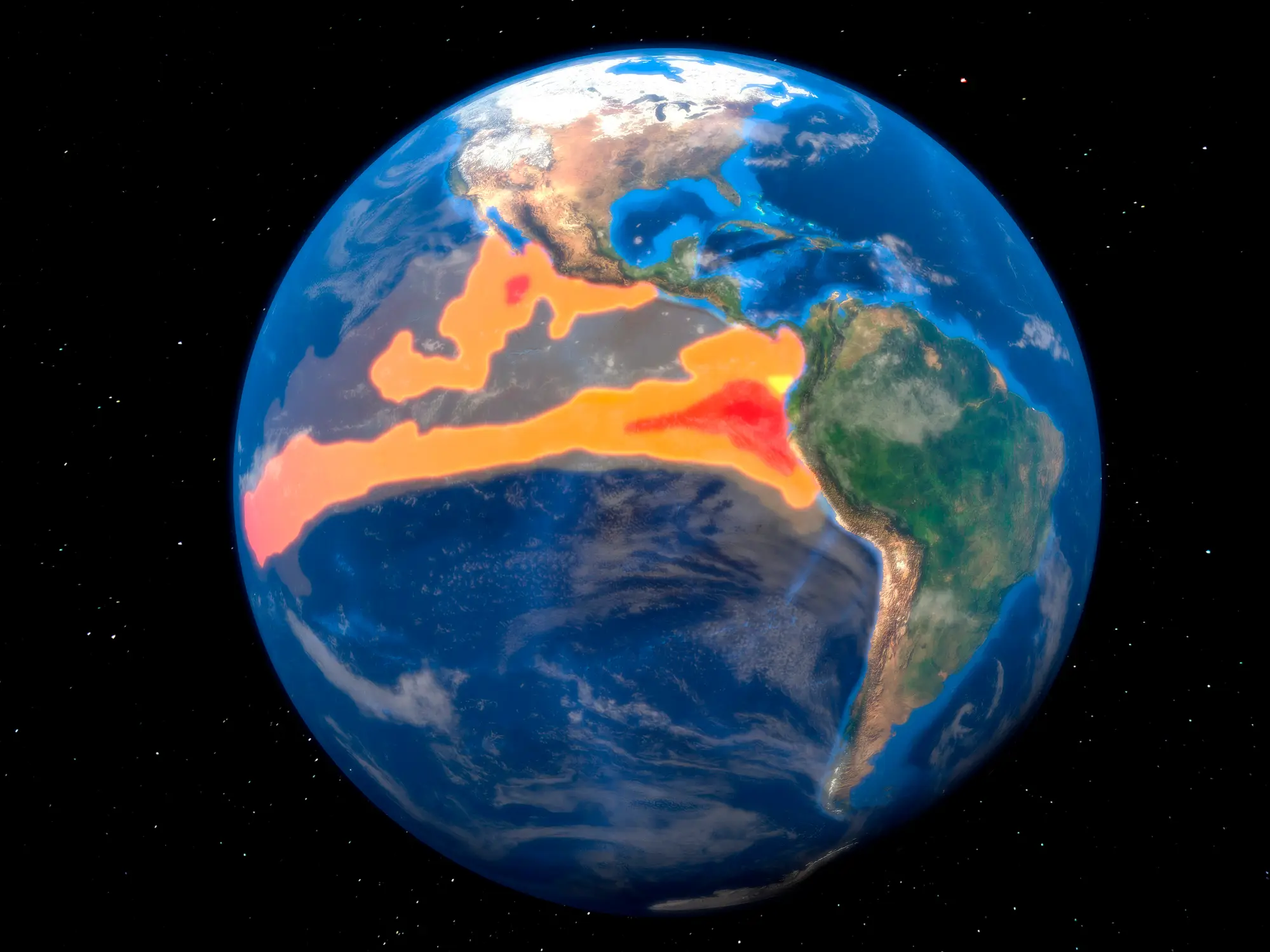
As a result of rising temperatures, trade winds traveling from east to west are reversed, with warm water being pushed towards the Americas, preventing cold water from rising to the surface in these areas.
Atmospheric winds and jet streams are shifted in response to this, causing global temperatures to rise several degrees higher than previous records, which in turn triggers several potentially catastrophic events that are made even worse thanks to recent global conflicts.
How could a super El Niño cause a catastrophe?
Policymakers and experts have already warned that the global food system is currently fragile, and the impact of a 'super' El Niño could immediately plunge the world into unprecedented catastrophe with widespread famine and limited access to food in some areas.
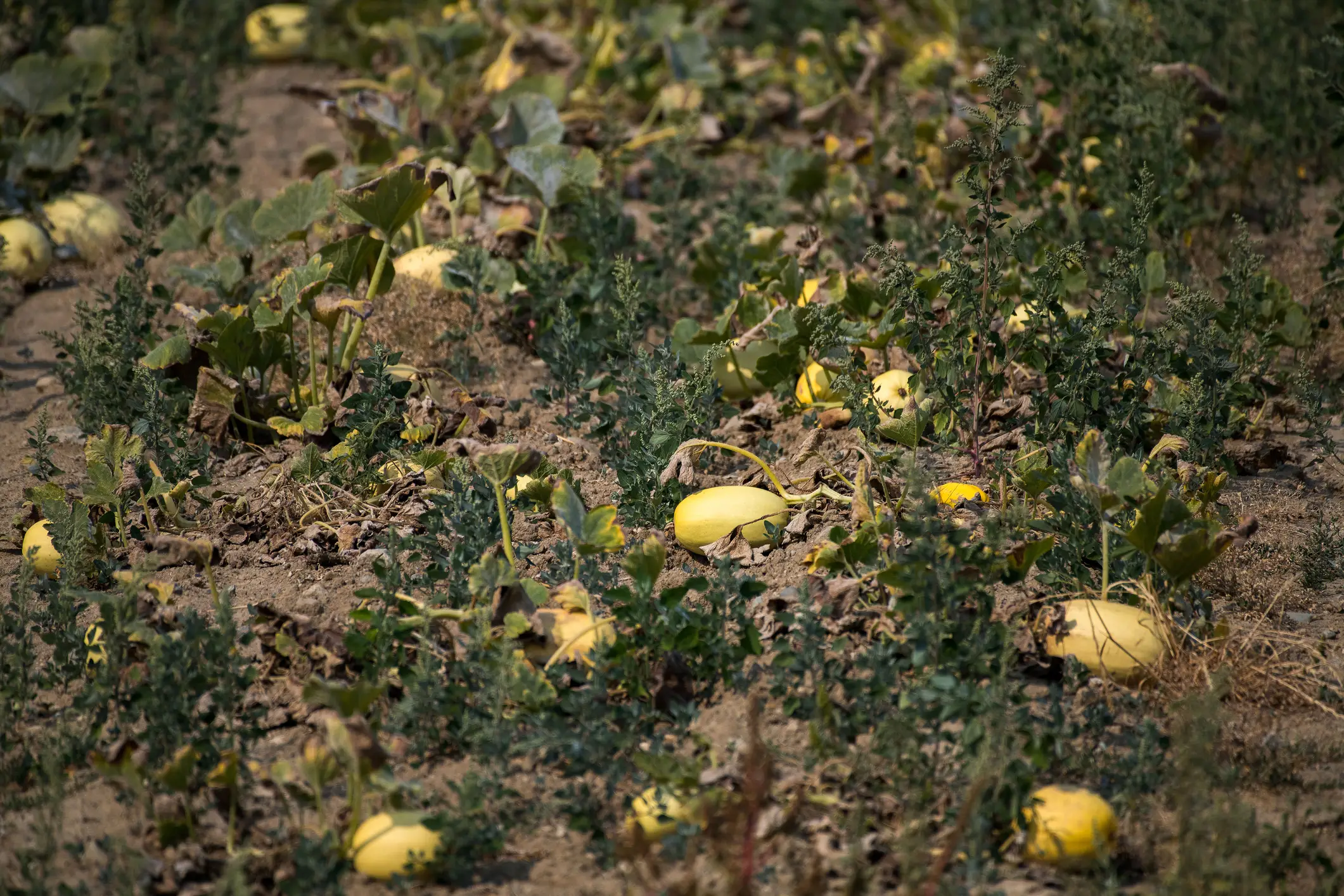
Rising heat in critical agricultural areas not only creates unsafe working conditions for people – especially at temperatures above 30 degrees Celsius – but it also significantly reduces the productivity for livestock, with both combining to dramatically slow down food production.
Combining with this is the already present threat of reduced global trade and fossil fuel-dependent fertilizer production as a result of the ongoing Iran war, as the closing of the Strait of Hormuz has already destabilized agricultural production.
Yields are expected to decline this year as a result of this, and combining this with record-high temperatures creates a recipe for disaster. The impact of this won't just be higher prices – although they'll definitely still be triggered – as poorer countries could very well be plunged into widespread famine and hunger.