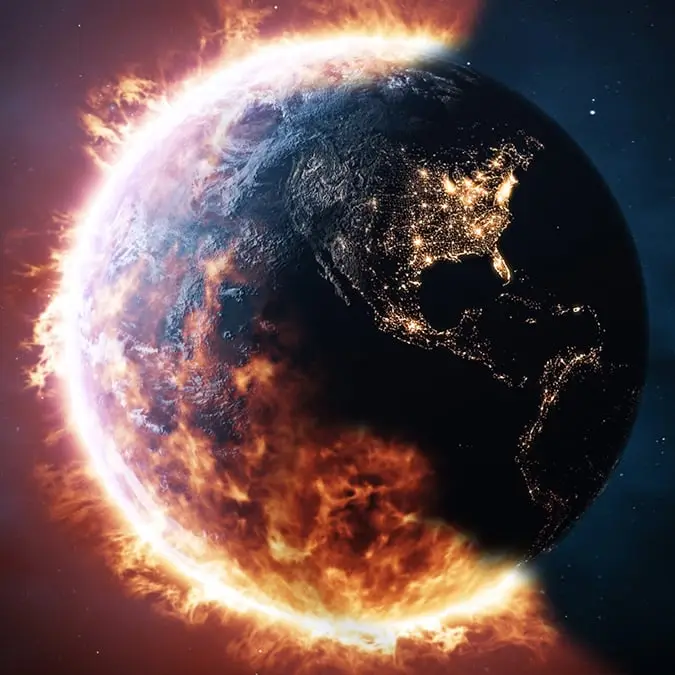
New study reveals global catastrophic risks putting planet on the brink


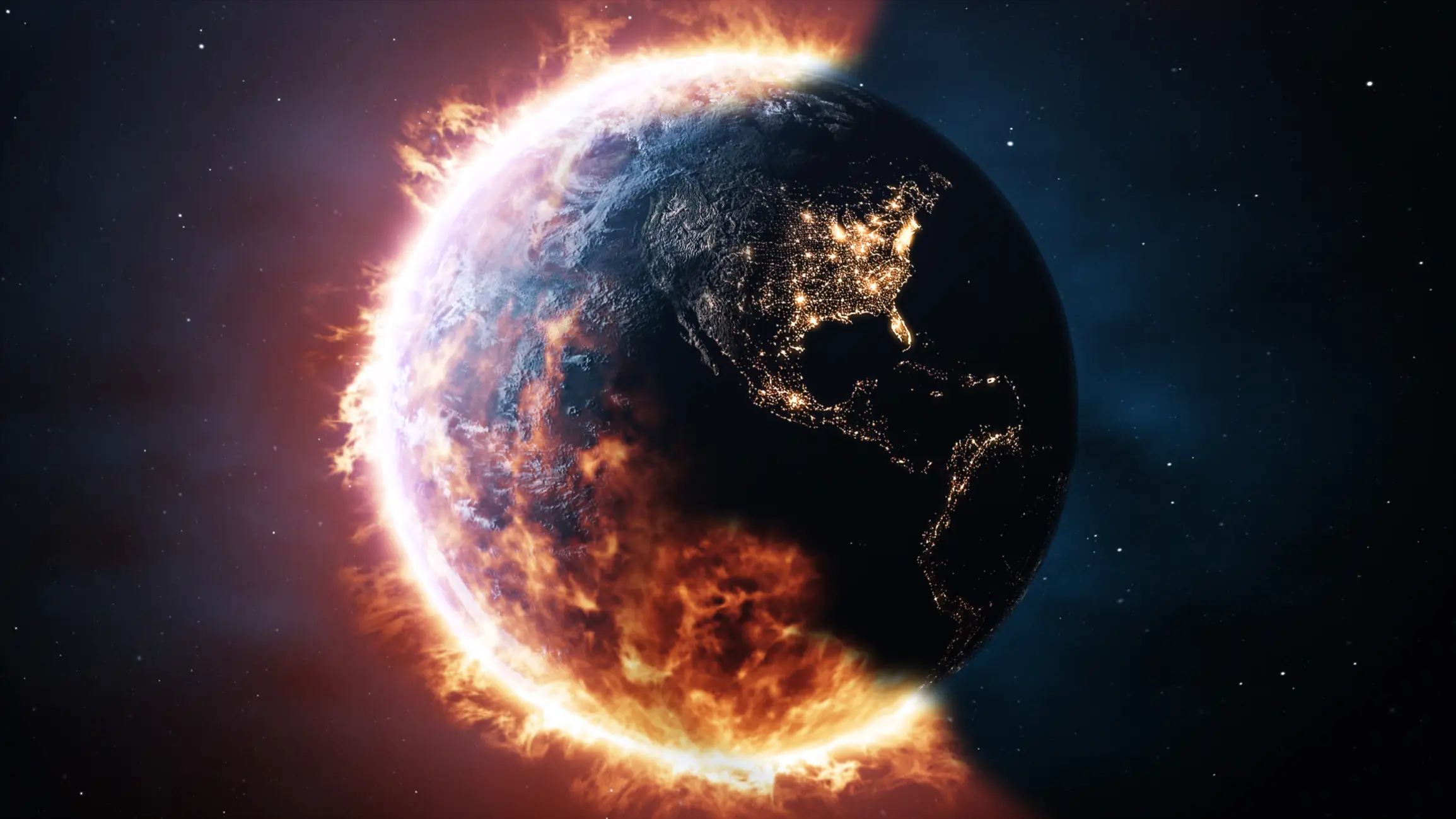
A new study has revealed the global catastrophic risks that are putting our planet on the brink of collapse.
This comes as the Global Catastrophic Risks Report 2026 revealed that changes are urgently needed to ‘secure’ the future of the planet.
The report highlighted five risks to the world that need to see improvements for the sake of humanity.
These risks include climate change, biodiversity collapse, weapons of mass destruction, artificial intelligence in military decision-making and near Earth asteroids.
Advert
Jens Orback, who is a strategic advisor from Global Challenges Foundation, explained: “Man-made risks such as climate changes, biodiversity collapse, weapons of mass destruction and the military use of artificial intelligence cannot be addressed in isolated silos. As climate and environment become increasingly intertwined with peace and security, we need a paradigm shift in international cooperation – one that bridges silos and reflects today’s interconnected risks.”
In the study, it details how adaptations should be made to governing bodies who need to respect international laws as well as modernize them.
The study goes on to say: “Rather than turning inward toward nationalism and isolation, we must rebuild trust in the rules, institutions and norms that still hold while modernising them to meet new realities.
“Strengthening accountability, reforming international law and giving global systems the capacity to act is essential to restoring legitimacy and effectiveness.”
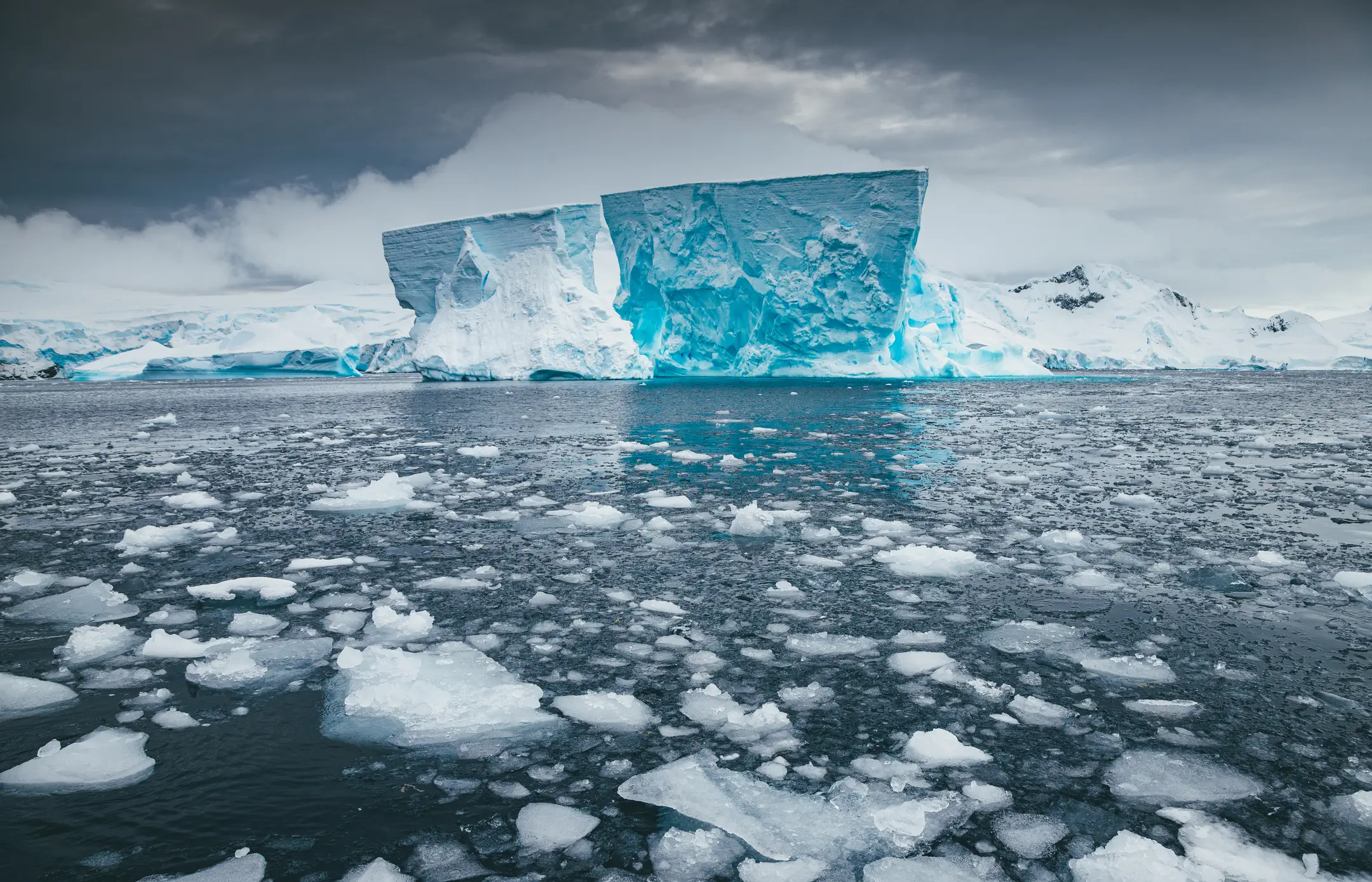
Orback continued: “Our planetary commons -the shared systems that sustain life – have a weak voice in our decision-making systems. Space, the deep sea, freshwater, forests, and ice are not the infinite resources we once imagined but are part of a delicate balance, providing us with a life-sustaining environment.
“Never did I think that the Greenland Ice Sheet had anything to do with my future. Yet, human activities have affected ice sheets and other commons to such a degree that they will, inevitably, affect us all.”
He added: “The purpose of this report is to stimulate open debate on how to understand, address and mitigate these risks. Civil society must be part of policymaking to protect ecosystems, and non-nuclear states must have a voice in nuclear risk-reduction discussions — especially those already affected by cross-border threats.
“Measures to adapt the current system of multilateral co-operation to handle these risks are seldom straightforward. Our patterns of production and consumption, as well as our ability to prevent and handle conflicts, remain misaligned with a sustainable and safe world. It can be tempting to seek purely technical solutions or attempt to out-arm one’s neighbor.”