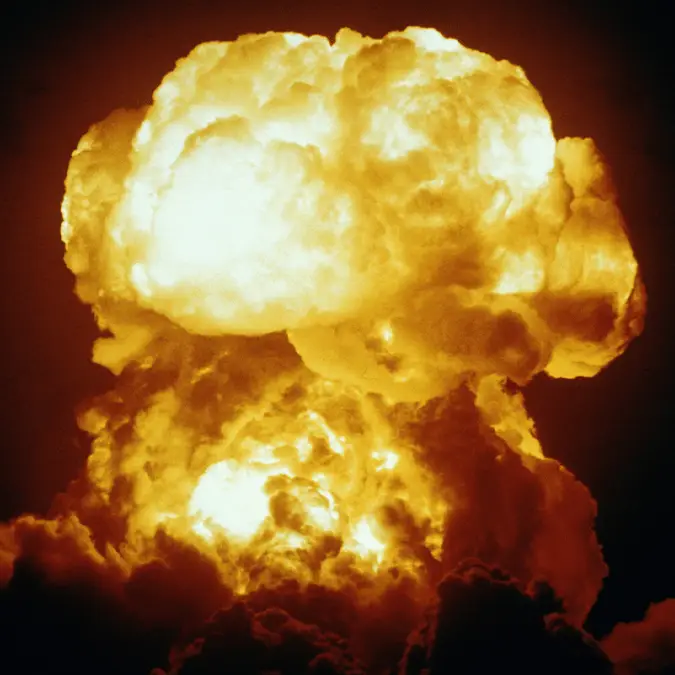
Expert warns of deadly mistake most people would make in first minutes of a nuclear attack


The chances of surviving a nuclear attack when you're inside the immediate radius are extremely low, yet there are some things that you should definitely avoid despite being the most obvious action for most people.
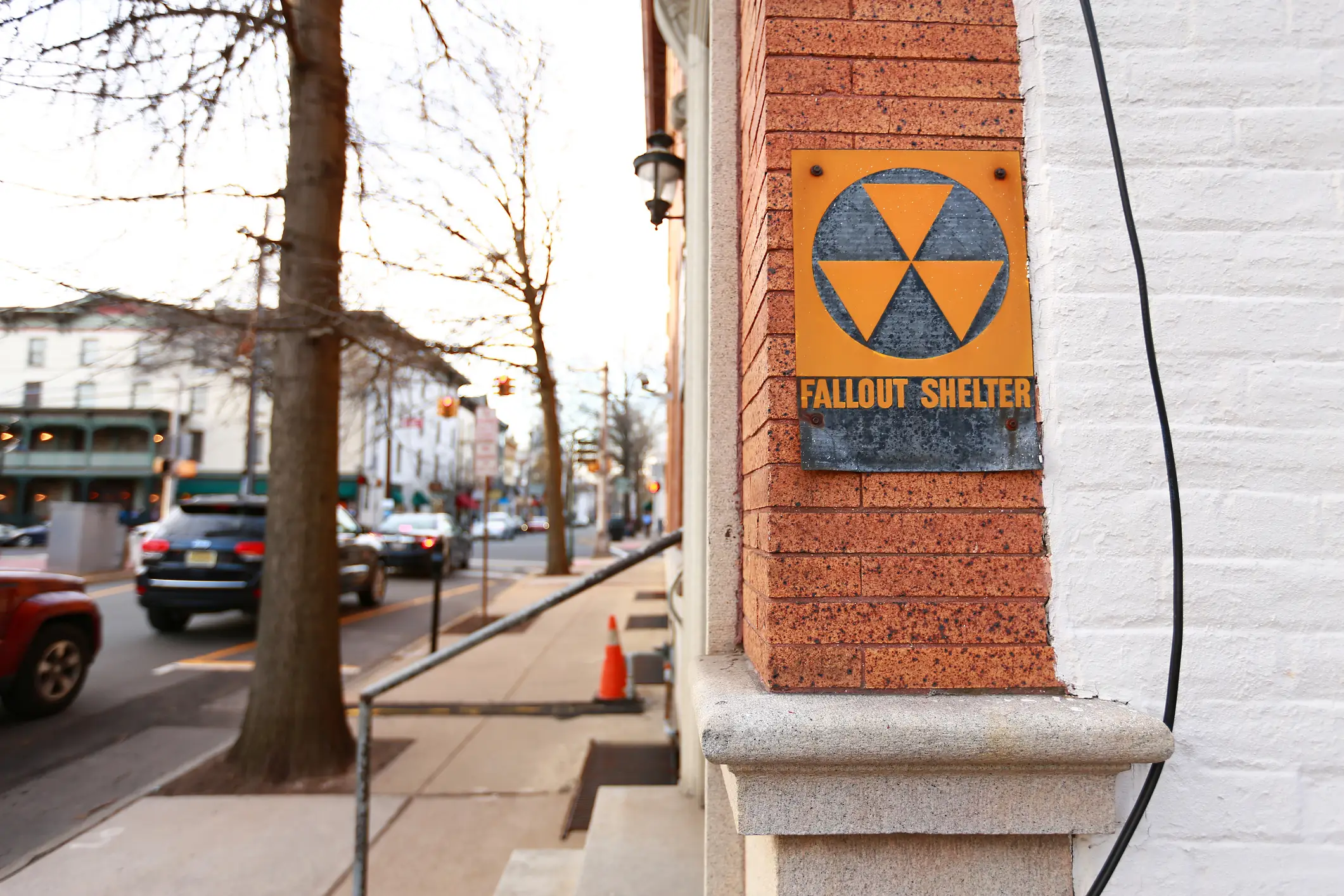
Not everyone has the luxury of accessing top secret nuclear bunkers or safe rooms hidden underneath the White House, and while there are still plenty of shelters dotted across the United States, many of these have been decommissioned over the years and are not fit for purpose.
With the threat of nuclear war looming amid ongoing global tensions, however, many are thinking about what they would need to do in the event of an attack and there are unfortunately only a handful of good options.
While setting up your own bunker is never going to be a bad idea, especially if it's stocked with essentials like long-lasting food and water to keep you alive across months or even years, there are still essential things you need to do at the moment of the blast.
Advert
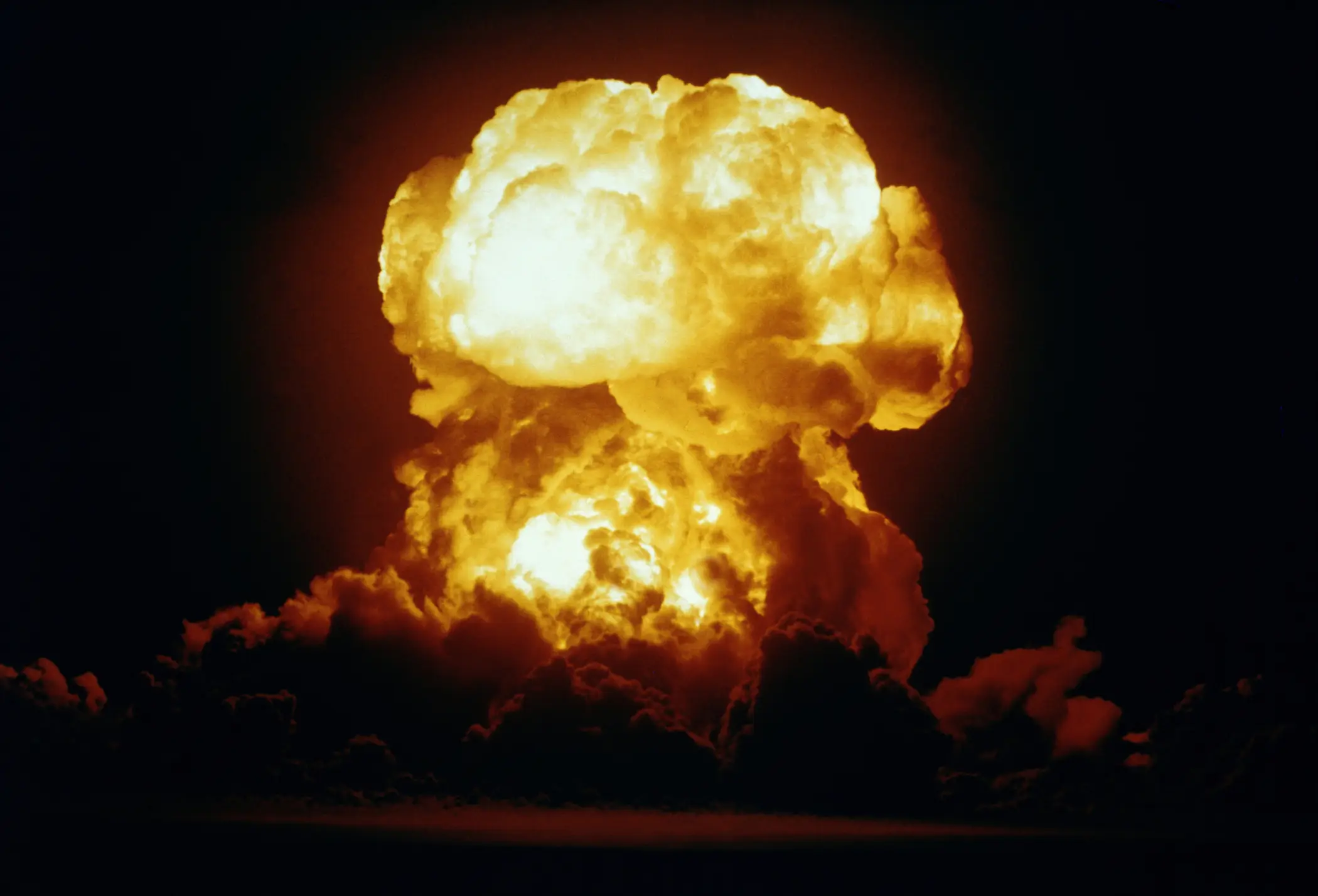
Speaking to Business Insider, health physicist and radiation expert Brooke Buddemeier outlined the number one mistake that most people might make in the event of a nuclear attack, and being aware of the risks could very well save your life.
According to Buddemeier, attempting to escape the blast in your car is an extremely bad idea despite the fact that some would think both distance and the protective shell of the vehicle would offer safety from the blast.
"Don't get in your car. Don't try to drive, and don't assume that the glass and metal of a vehicle can protect you," the physicist warned.
Following the initial impact, the blast would emanate an extremely bright white light that would leave you temporarily blind for minutes in the best case scenario, and can even eliminate your ability to see for the rest of your life.
Shortly afterwards the blast would release an electromagnetic pulse (EMP) that would deactivate most electronics, including two in every three vehicles on the road in an optimistic prediction.
Both these factors combined would cause people to crash their vehicles – either into each other or the surrounding environment – yet the worst is still yet to come.
As much as some cars can protect you from everyday life, no vehicle stands even a remote chance against a nuclear blast, as the force of the blast is enough to topple entire buildings within a seven-mile radius.
The blast itself would cause third degree burns for anyone outside at that time, with thermal radiation causing the top layers of your skin to effectively fall of your body.
You would also become immediately exposed to the radiation particles that are produced by the blast, so if the force wasn't enough to kill you then you'd end up dying from that instead.
If you're wanting to know what you should do instead, Buddemeier suggests running immediately to your nearest shelter, as you have around five minutes following the blast to survive the after effects if you manage to outlast the impact.
"Get inside [...] and get to the center of that building. If you happen to have access to below-ground areas, getting below ground is great," the expert reveals, suggesting that you stay inside for at least 48 hours before attempting an escape.