
Health expert warns against potentially deadly toxins that daily habit pumps into our bodies


We all know the importance of breaking bad habits.
Whether it's endless late-night phone scrolling or excessive social media use, while maintaining good ones like daily exercise to stay healthy.
But one seemingly harmless daily ritual whose health effects aren't as obvious as alcohol or smoking could be silently damaging our bodies.
For most of us, grabbing that morning cup of coffee is automatic, before we've touched our emails or had a conversation with someone.
Advert
But according to new research published in the Journal of Hazardous Materials: Plastics, plastic coffee cups have a high likelihood of releasing thousands of microplastic particles into your drink.
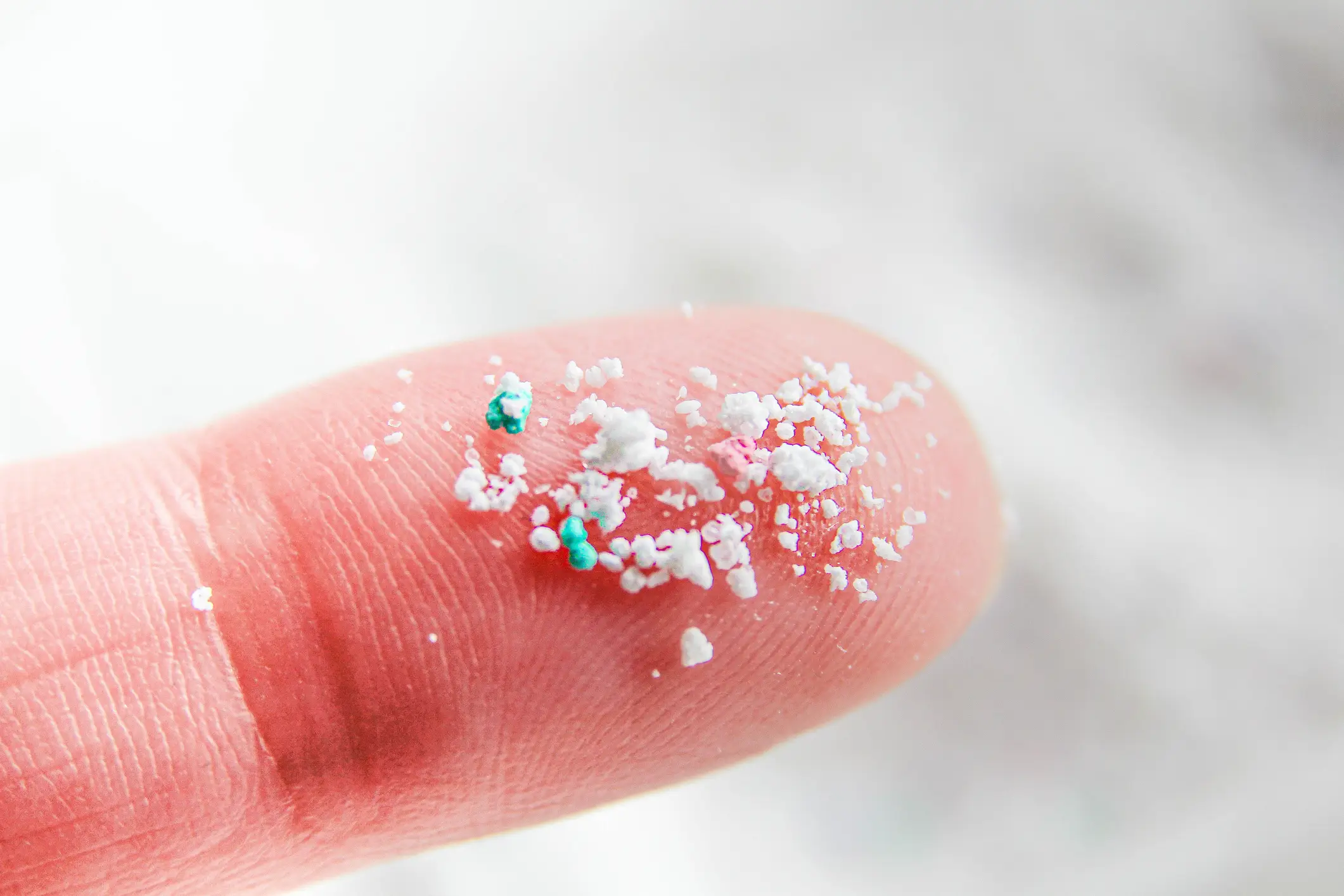
Microplastics are tiny plastic fragments measuring about 1 micrometre to 5 millimetres. They typically form from the breakdown of plastic waste and synthetic fibre products. However, the problem is that microplastics don't biodegrade and can accumulate in marine ecosystems and our bodies.
According to The Guardian, micro and nanoplastics have been detected in human brains, reproductive organs, placentas, arteries and other tissues.
While we don't yet have definitive answers about how much microplastics actually stay in our systems, studies are gradually uncovering the extent to which they're accumulating in our bodies.
In the study, researchers collected 400 coffee cups around Brisbane, Australia. The cups were either made entirely of polyethylene plastic or plastic-lined paper cups that look like regular paper but have a thin plastic coating inside. However, both types contained microplastics.
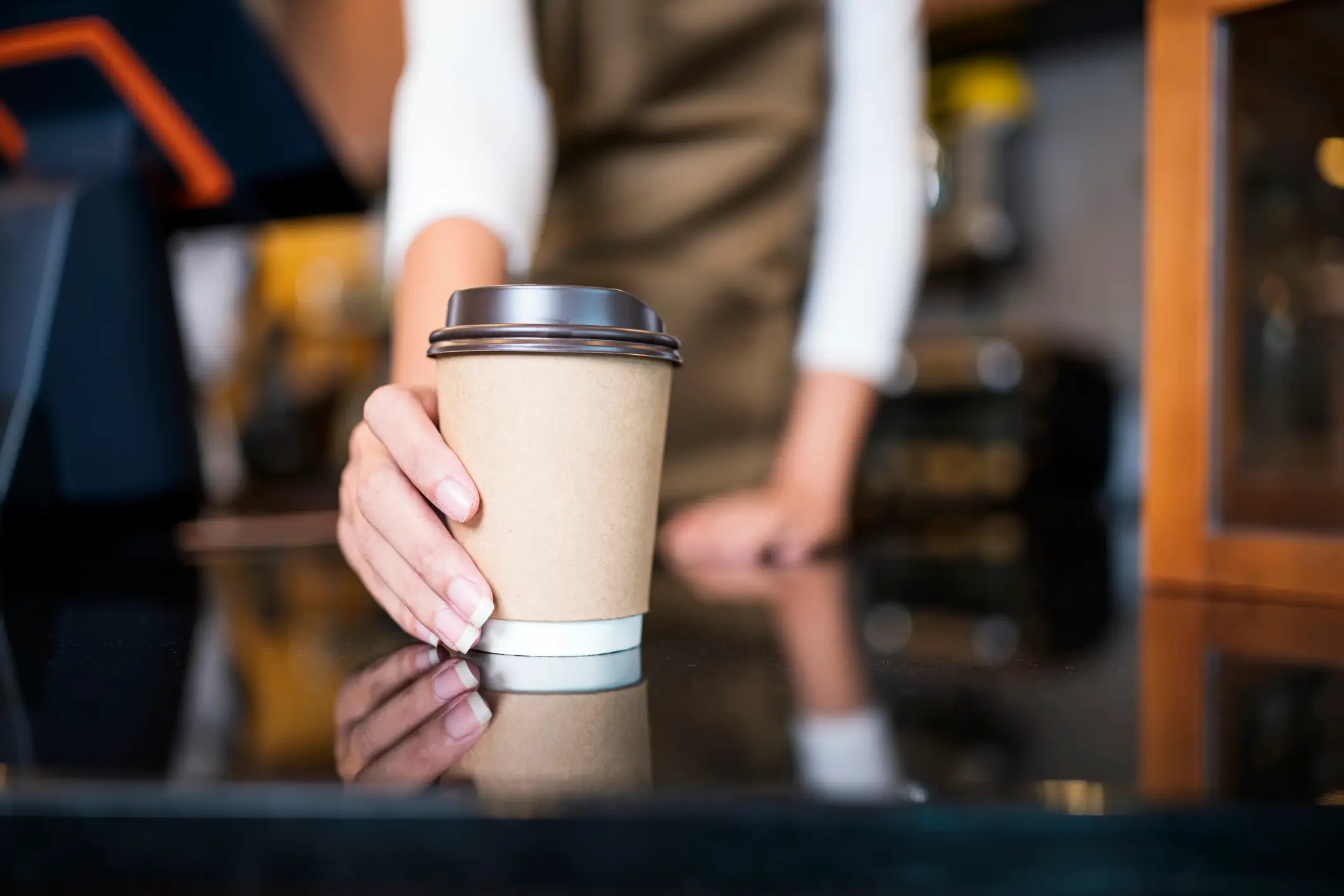
Testing them at 5°C (iced coffee temperature) and 60°C (hot coffee temperature), the team discovered that the paper cups with plastic liners released fewer microplastics than the all-plastic cups at both temperatures.
More importantly, they noticed that heat dramatically increases particle release, up to 33 percent in all-plastic cups.
"If someone drinks 300 millilitres of coffee in a cup made of polyethylene per day, they could ingest 363,000 pieces of microplastic particles every year," co-author Xiangyu Liu told The Conversation, following the study.
To understand heat's role in this, the scientists used high-resolution imaging to examine the cups' inner surfaces and found that all-plastic cups had much rougher textures. In fact, these cups had more 'peaks and valleys' than plastic-lined paper cups which makes it easier for the particles to break away. When heat is added, the plastic expands and contracts and eventually fragments into our drink.
Thankfully, there are ways to avoid consuming microplastics while still enjoying your daily brew.
"For hot drinks, the best option is to use a reusable cup made of stainless steel, ceramic, or glass, as these materials do not shed microplastics," the co-author explained. "If we must use a disposable cup, our research suggests that plastic-lined paper cups generally shed fewer particles than pure plastic cups, though neither is microplastic free."
He added: "Finally, since heat is the factor that triggers plastic release, avoid putting boiling liquids directly into plastic-lined containers. Telling the barista to make our coffee slightly cooler before it hits the cup can reduce the physical stress on the plastic lining and lower the overall exposure."