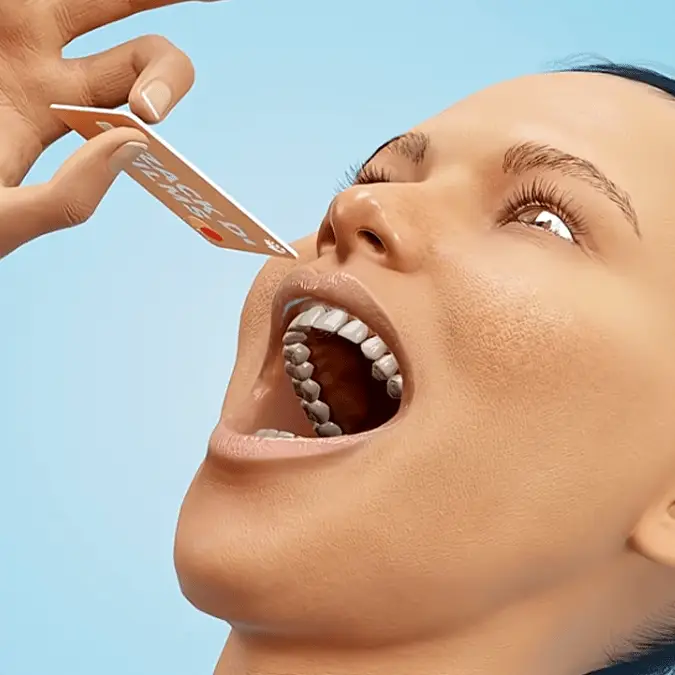
Disturbing simulation shows how much microplastic we consume every week and the result is terrifying


It seems that doctors are coming up with a new warning every week.
Whether it be our consumption of toxic fumes, zapping our brains with too much time on our phones, or new pandemics lurking around every corner, society has evolved to present new challenges to the human body.
While there are still ongoing tests to reveal what effects microplastics have on us, it's pretty evident that for your health, you want to avoid eating them whenever possible.
Still, with microplastics found in everything from food packaging to kitchen utensils, it's not just turtles in the ocean that are consuming alarming amounts of microplastics.
Advert
A disturbing simulation from Zack D. Films reveals how much microplastic we're consuming every week, and we've got to admit, it's enough to turn your stomach.
The video explains that eating a credit card would (obviously) not be a very nice experience and would cut up your throat, but you might be fascinated to learn we're likely eating one every week.
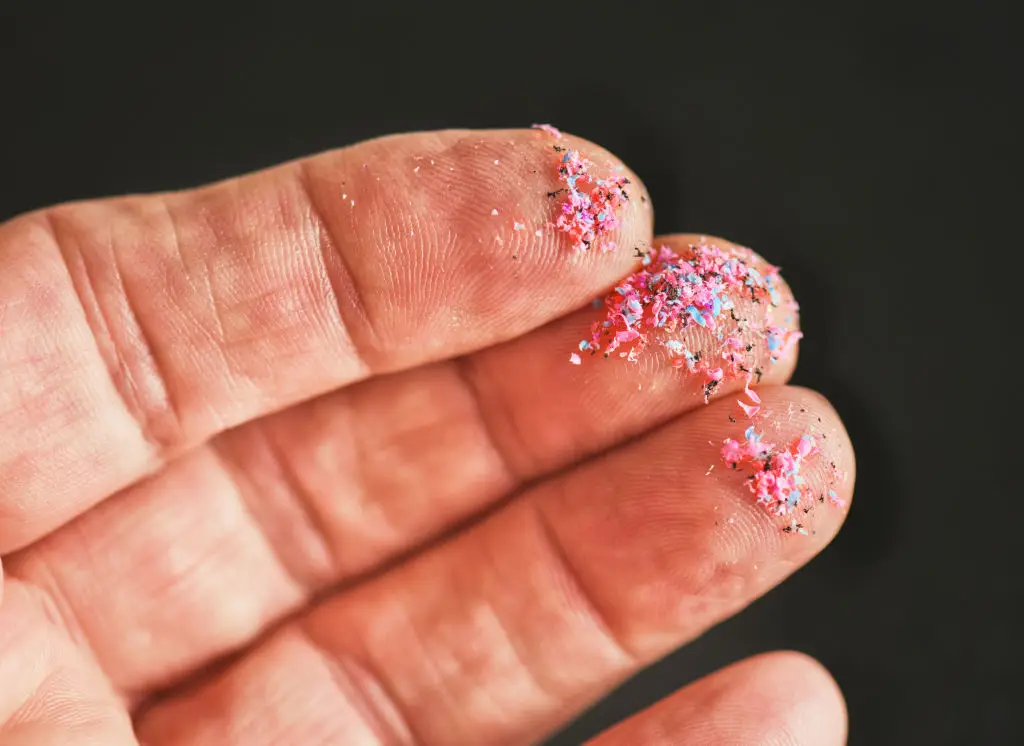
Explaining how every time we drink a glass of water, we're actually drinking tiny pieces of plastic, the simulation warns how they end up in our organs and can even stick to our brain.
Collecting our daily consumption of microplastics works out at 1 gram per day, so at the end of the week, that's an alarming 7g of microplastics. With a credit card weighing about 5g, it's a terrifying statistic, especially when we're told to drink up to 15.5 cups of fluid a day for men and 11.5 cups a day for women.
There are some ways to limit our consumption of microplastics, with one MP expert suggesting switching to glass or metal bottles and non-plastic microwavable containers. After all, heated plastic containers can emit up to four million microplastics.
One worrying place you might not expect to find microplastics is in tea bags, with us being warned that a single bag can release millions of MPs.
Microplastics are a major cause for concern, especially as a recent study found them in 55% of semen samples and 68% of follicular fluid samples. Dr Emilio Gomez-Sanchez reiterated: "What we know from animal studies is that in the tissues where microplastics accumulate, they can induce inflammation, free radical formation, DNA damage, cellular senescence, and endocrine disruptions.
“It’s possible they could impair egg or sperm quality in humans, but we don’t yet have enough evidence to confirm that.”
Going back to the simulation video, it's clear that many don't realize the potential dangers of microplastics and what we can do to limit our exposure.
Responding to the simulation, one person said: "This made me feel so much better about my health Zach💀."
Another added: "'And even stick in your brain' that's disturbing."
A third said: "It is important to recognize that microplastics originate from various sources, including packaging and plastic cutting boards, and not solely from contaminated water. It is crucial for everyone to be aware that they are, in fact, ingesting plastic."
Ultimately, there isn't currently enough research to understand what microplastics are doing to our bodies. Some studies suggest that they attach themselves to our red blood cells and could limit the transportation of oxygen around the body. Either way, if you wouldn't have a gnaw on your own credit card, you'll probably want to try and avoid microplastics wherever you can.