
Why your body can suddenly shut down during marathon even if you're physically fit as 24y/o woman dies


A 24-year-old woman from Pennsylvania has sadly died while running her first marathon, falling to the ground near Mile 24 in Central Park when competing in the New York City Marathon on November 1.
Identified as Rachel Apa, details about her and her cause of death have emerged, with her tragic passing linked to a rare health condition called rhabdomyolysis. In the aftermath, there are questions about how a seemingly fit and healthy runner can pass away so suddenly, as well as what exactly rhabdomyolysis is.
Who is Rachel Apa?
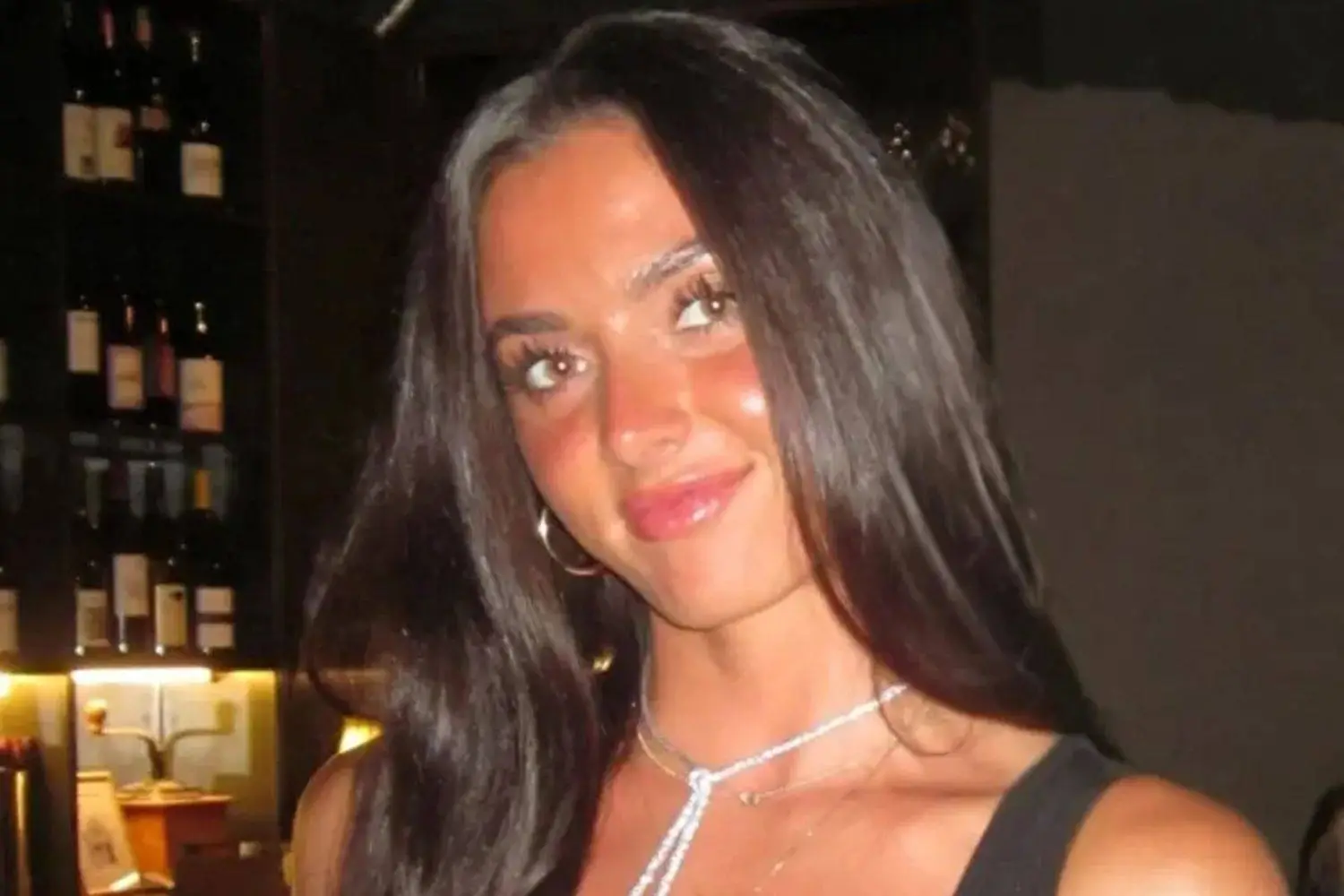
According to The New York Times, Rachel Apa was a former Division I field hockey player at Bucknell University and had trained for months for the New York City Marathon.
Advert
Working as a product manager for an electrical component company, Apa had just started an M.B.A. program at Charleston Southern University and was running the NYC Marathon in honor of her grandfather while raising money to fight Parkinson’s disease. Posting on LinkedIn two months before the marathon, Apa wrote: "Choosing a foundation that means something to me was important. My grandfather was one of my role models growing up. He taught me to stay active, push my limits, and embrace challenges.
"After he was diagnosed with Parkinson's disease, I watched as it slowly took away the freedom to move that he once loved."
Rachel's story has been highlighted by her father, with Steve Apa, sharing her final messages.
Steve Apa explained how he was following Rachel on the marathon tracking app as the pair exchanged short messages. While early messages involved her saying she felt 'amazing' and said, "I’ve never felt this good," she later texted "urgh" around Mile 14. This was followed by an 'ow' at Mile 18, Steve reminding her to take it easy, and her then writing "ow, ow" at Mile 19.
At mile 24, Steve Apa noticed that his daughter was no longer moving on the tracking app, texting her that her mother was walking to find out what was going on.
Rachel had collapsed at around 1:33 p.m. EST, just two miles away from the finish line.
Marathon medical staff attended the scene and used a defibrillator before Rachel was rushed to Mount Sinai Medical Center. Staff tried in vain to save her for the next six hours, with Rachel Apa passing away at 9:40 p.m. EST.
What is rhabdomyolysis?

Steve Apa confirmed Rachel's cause of death was rhabdomyolysis, which is a rare muscle condition that can be brought on by exertion and causes muscle to break down. In turn, this can poison the body.
Also known as rhabdo, rhabdomyolysis causes toxic quantities of proteins like myoglobin and electrolytes to spill directly into the bloodstream, said to cause acute injury in up to 50% of cases. High levels of potassium also enter the bloodstream and affect the heart's electrical signals to trigger a potentially fatal cardiac arrest. Elsewhere, kidneys struggle to filter out heavy muscle proteins and could end up shutting down.
Even seemingly healthy people can suddenly be struck by rhabdo due to a lack of proper conditioning, overloading muscle fibers. Elsewhere, severe dehydration and hot weather are considered triggers, as they accelerate muscle breakdown.
You're told to look out for symptoms that include severe or unexpected muscle pain or cramps that feel different from what you might experience in your regular workout. Sudden exercise intolerance, like being unable to finish movements you can do normally, is another red flag. Dark urine is a potential warning sign, although many who've experienced rhabdo haven't reported this.
It's said that there are around 26,000 cases of rhabdo reported every year in the USA, with the National Library of Medicine pointing to a study that warns it primarily affects those between the ages of 16 and 35. Despite being recognized as a hazard for firefighters and as an occupational hazard in military basic training, its connection to marathons is less recognized.
Even though it's more common in men (between 754% and 79% of all cases), stories like Rachel's remind us that anyone can be affected.
A 2026 study mentioned 39 cases of post-NYC Marathon rhabdomyolysis between 2017 and 2023, and although this peaked during a 2022 heatwave, none of them died.
Speaking to the NYT, Dr. Bradley Uren, an emergency medicine physician at University of Michigan Health, reiterated that rhabdomyolysis can be fatal if not treated properly.
Treatment can include using intravenous fluids to try and flush out toxins, or dialysis when there are cases of severe kidney damage.
Still, rhabdo’s in-hospital mortality rate is relatively low and sits between 2% and 5%. In terms of Apa, Uren referred to it as a "worst case scenario [that] happened just very, very quickly.”
Looking back at his daughter's death, Apa said: "It’s unfathomable. Perfect health, perfect shape, 24 years old.”