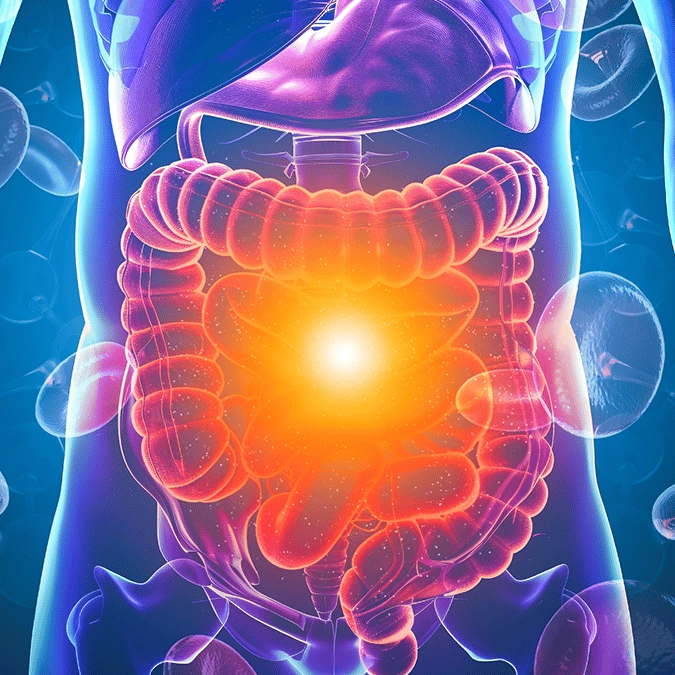
Everything that changes inside your body just days after giving up ultra processed food


It turns out that giving up ultra-processed food could have a bigger impact on your body than you might expect, with changes potentially beginning within just a few days.
According to research published in the British Medical Journal, eating ultra-processed food can come with a ‘higher risk of adverse health outcomes’, including the likes of ‘cardiometabolic, common mental disorder, and mortality outcomes’.
Ultra-processed foods are typically industrially manufactured products containing ingredients and additives not commonly used in home cooking, such as artificial flavourings, colorings, emulsifiers and preservatives.
This includes products such as packaged snacks, sugary cereals, fizzy drinks and some microwavable meals. But what actually happens when you stop eating them?
Advert
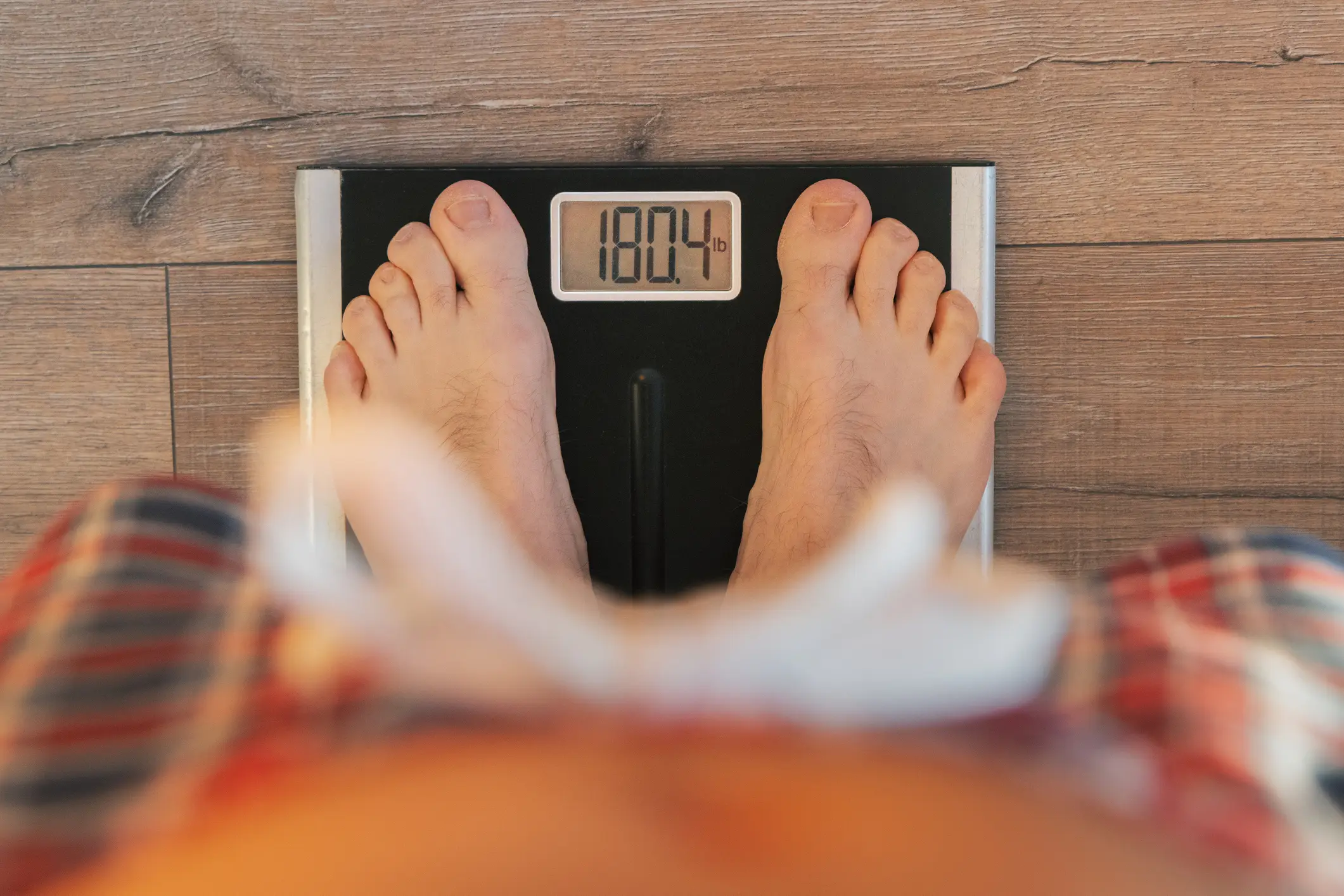
While the effects won’t be the same for everyone and cutting out ultra-processed food doesn’t automatically mean your diet is healthier, research does suggest that there are several changes you can expect when you cut it out.
Changes to your body after cutting out ultra-processed food
Within the first few hours, your body will begin to adjust, with the reduction of sodium intake helping your body to regulate its fluid balance, potentially leading to a temporary drop in water weight.
Your blood sugar levels could also benefit, particularly if you're replacing sugary snacks, fizzy drinks and refined carbohydrates with foods containing more fiber.
Fiber slows down digestion and can help prevent sharp rises in blood glucose after eating. This can make energy levels feel more consistent throughout the day, although the effect depends on what you're eating instead.
By day three, you might start to experience cravings and some withdrawal symptoms, including headaches or low moods.

However, after the first couple of weeks, you might start noticing differences in your digestion, particularly if you’re eating more fruit, vegetables, beans, pulses and wholegrains.
These foods provide dietary fiber, which helps support healthy bowel movements and feeds beneficial bacteria in the gut. Increasing fiber gradually can help with constipation and improve bowel regularity, and you might also find yourself feeling fuller between meals.
This is because meals containing adequate protein and fiber can help keep hunger at bay, potentially making it easier to avoid reaching for snacks throughout the day.
Long term, you should see improvements to your overall health but it’s important to note that not everything that comes in a packet is bad for you.
Items such as wholemeal bread, fortified breakfast cereals and baked beans, might be classified as ultra-processed but can all form part of a balanced diet.