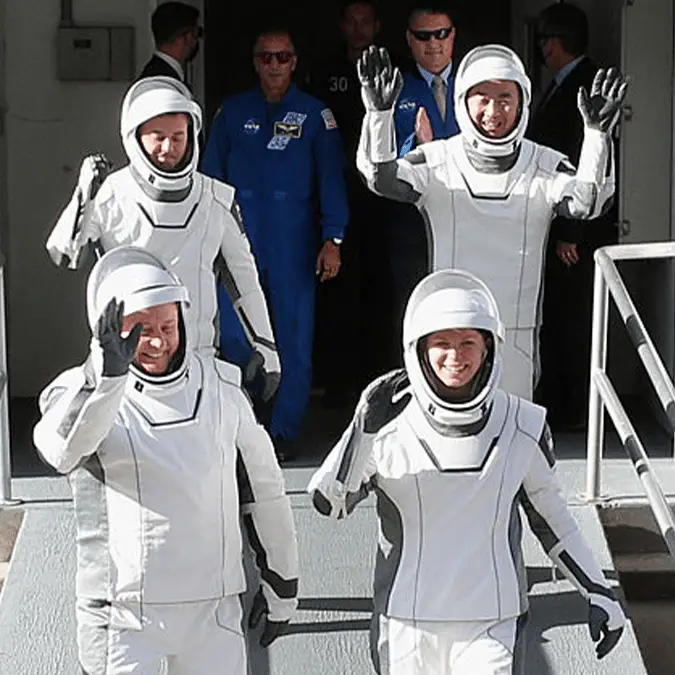
NASA astronaut reveals what happens when someone farts on the ISS and where the smell goes


One astronaut aboard the International Space Station is answering the questions we never knew we needed to know the answer to.
NASA astronaut Anil Menon has revealed what happens when you fart up in space.
With the ISS coming to the end of its lifespan following nearly 28 years up in orbit, now seems the perfect time to ask the questions you never thought of asking.
While we previously explored whether sex in space is possible, the bodily functions of those on the ISS continue to be a talking point. After all, with Russian cosmonauts Oleg Kononenko and Nikolai Chub spending a whopping 374 consecutive days on there, we imagine they had to let out the odd toot or two.
What happens when you fart on the ISS?
Speaking to the ClassCrunchLabs Foundation's Max Rober, Menon explained what happens to the inevitable gases expelled by astronauts on the ISS and whether you can smell them up in space.
Advert
After showing off what happens when ketchup and mustard float around on the ISS, and being asked what happens to sneezes, Menon got honest about whether farts get stuck up there and float around forever.
Rober joked that it's an important question that kids could want to know before they decide if they want to become astronauts.
Menon said he considers himself an expert in farts, adding: "If there was no air circulation in space, it just kind of hangs there. So I don't know if it'd be forever, but it would probably last a long, long time."
The ISS obviously has air circulation to keep its astronauts alive, with Menon continuing: "Our crew quarters, you'd be interested to know, have a fan that goes from one to the next to the next to the next, and it's blowing the air between them.
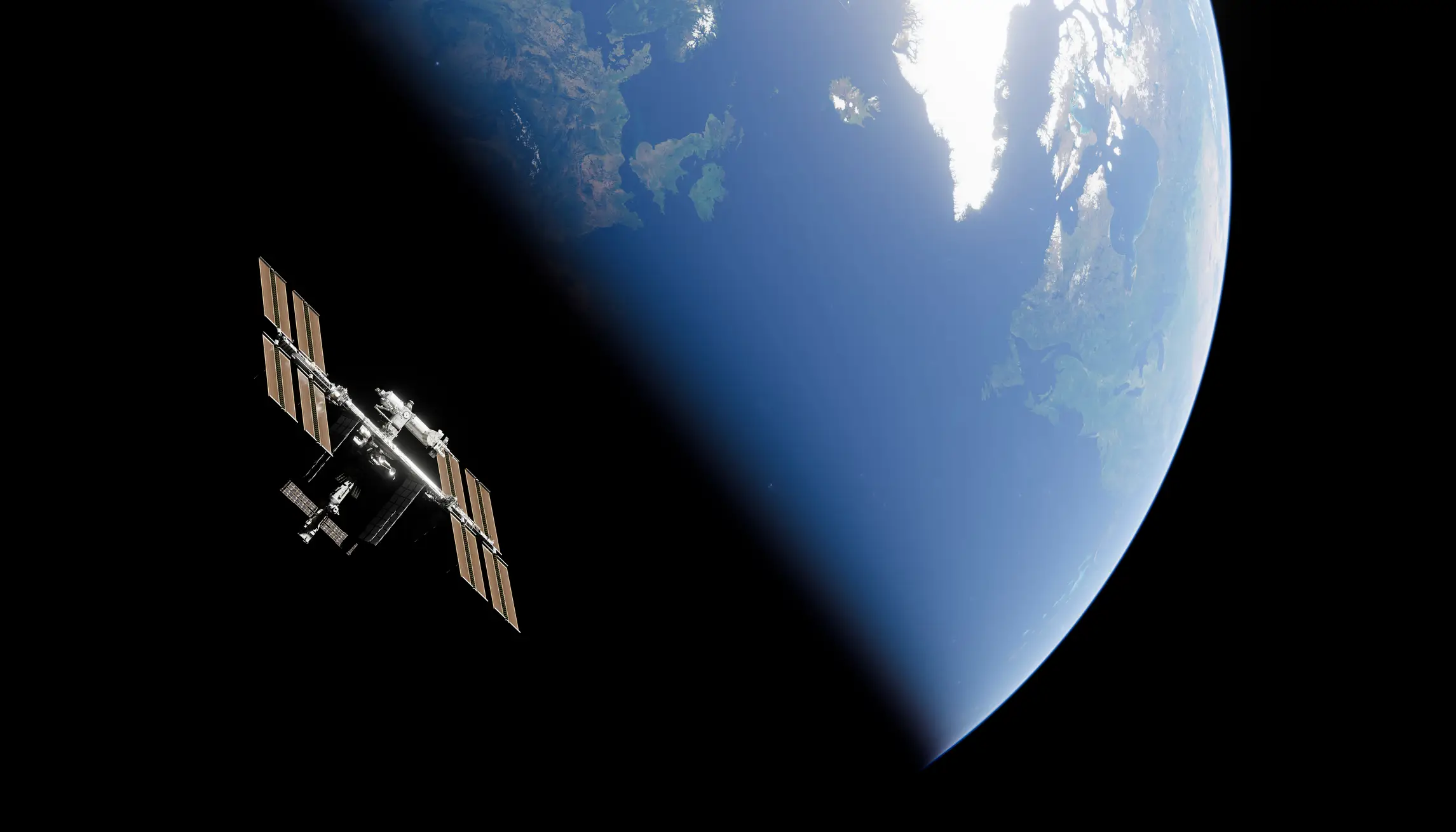
"The idea is to just circulate oxygen, but it also, as a byproduct, circulates farts around."
This is why he considers himself an 'expert' in farts, as well as tarring the rest of his crewmates with the same brush.
In terms of sneezes, Menon said that they'll continue to float around among the astronauts until they hit one of the ISS' fans and are sent to another. Eventually, sneezes are absorbed by the station's filters.
A follow-up question clarified that these filters absorb the methane and sulphur particles that make a fart smell, with Menon clarifying you only briefly get a blast of gas: "So you only smell those farts temporarily on station because the good engineers at NASA put those filters in to catch all those particles or whatever creates the smell."
Are farts in space dangerous?

Without gravity, fart smells are said to linger around the person who creates them (or those in close proximity), but thanks to the ISS' powerful Environmental Control and Life Support System, they're thankfully pulled away before too long and taken through the air recycling filters.
Still, with microgravity and shifting body fluids, astronauts can experience more gas.
In early missions, there were fears that the methane and hydrogen in farts could build up and pose a potential explosion risk in oxygen-rich capsules.
Modern studies show the concentration on the ISS is far too low to pose a toxicity or fire hazard.
NASA has still monitored astronaut diets in an attempt to keep farts under control. After all, if you fart in your spacesuit, the noxious odor is trapped by the base layer and circulated through the carbon dioxide scrubbers until air filters cycle it out.
Well, that sounds delightful.