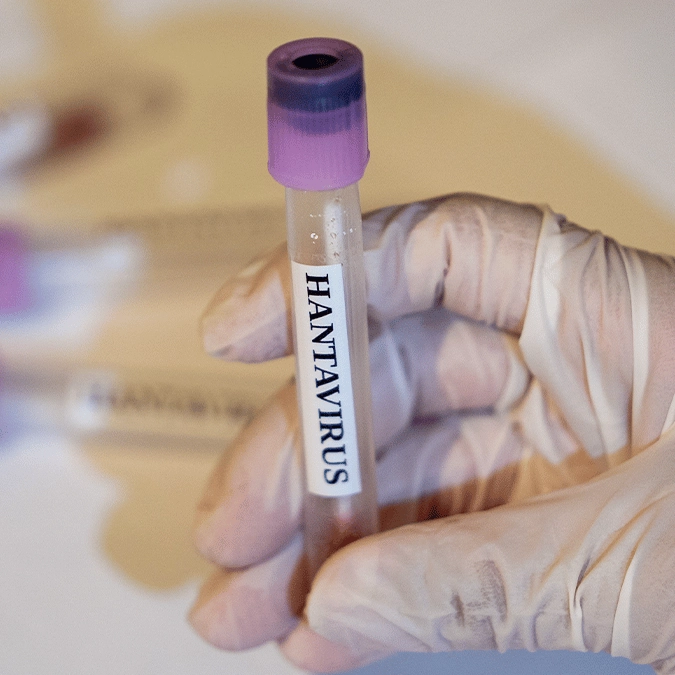
'Terrifying' simulation shows exactly what deadly Hantavirus does to the human body


Many people quickly became fearful of a Hantavirus pandemic after an outbreak occurred on a Dutch cruise ship in late April, and one 'terrifying' simulation reveals how the disease can quickly shut down your body.
One of the biggest dangers associated with Hantavirus is its similarities to the common cold and flu in the early stages, which prompts some people who have contracted the virus to ignore the symptoms until it's too late.
That's what made the prospect of it spreading beyond the MV Hondius cruise ship so frightening to many despite attempts from various health organizations and governments across the world to downplay anxiety.
How do you catch Hantavirus?
Hantavirus originally spreads to humans after contact with viral particles present within the urine, droppings, or saliva of rodents infected by the disease, and this typically occurs through airborne inhalation within poorly ventilated areas.

Advert
The cases emerging from the cruise ship, for example, were speculated to have originated from a landfill site where two passengers were bird watching, as they will have come into contact with infected droppings from animals like rats, mice, or voles.
Unlike COVID-19 and other forms of coronavirus, Hantavirus does not easily spread between humans with the primary mode of transmission being zoonotic, although human-to-human spread is possible within the Andres strain.
It typically requires people to share intimate or extended close contact with an infected individual, which was key to the lack of concern that political entities persisted regarding the outbreak.
What does Hantavirus do to your body?
If you do happen to catch it, however, you're likely to suffer heavily from the symptoms and it can be fatal in extreme circumstances with mortality rates varying between the different strains.
One simulation shared by The Infographics Show on YouTube details exactly what happens to your body after contracting Hantavirus, as the initial mild side effects can quickly evolve into life-threatening ailments.
Part of the reason Hantavirus can spread so quickly once its inside your body is through a process known as nonlytic infection, where instead of killing cells it latches onto them, allowing the virus to replicate quickly.
You're likely to not experience any symptoms for around a week after the initial exposure as the virus continues to spread throughout your body, although your immune system will begin to weaken as a result.
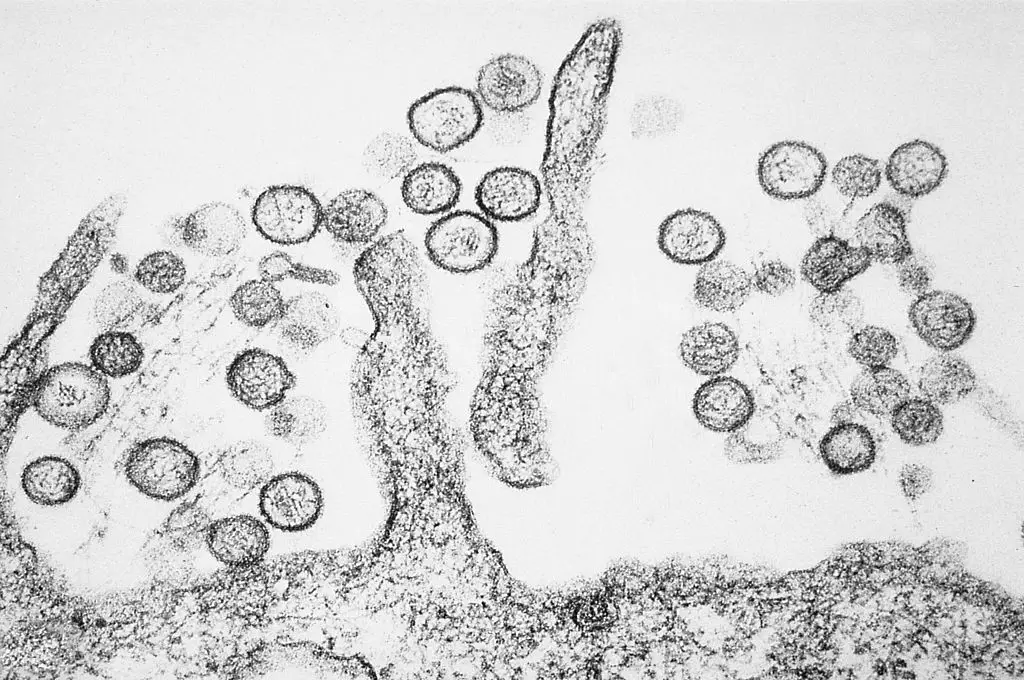
Some of the first symptoms involve a fever and intense muscle pains, as aches spread and pulsate across your being. Despite you perhaps shrugging it off as the flu, sharp, shooting pains begin to flood your stomach, and your breathing suddenly becomes a lot more difficult.
Not everyone suffering from a Hantavirus infection is guaranteed to reach this stage, but it's alarmingly common for people to have to go into intensive care and require the use of a ventilator.
Your body can very quickly run out of time as oxygen levels are dangerously low in critical areas including the brain, and getting through the 'critical stage' is often the defining factor in whether you live or die.
Failing this often has fatal consequences, but if you do manage to power through then patients are shown to have surprisingly quick recoveries despite the close brush with death, showing quite how dangerous the virus can be overall.