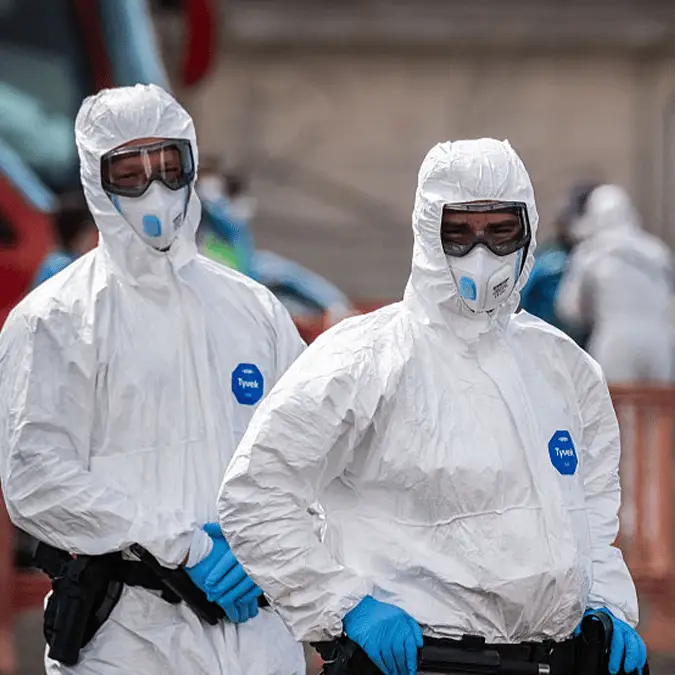
CDC issue message to public as 'patient zero' in cruise ship hantavirus outbreak is identified


Hantavirus is not a new disease, but a recent outbreak aboard a Dutch cruise ship has brought it back into the spotlight.
Health officials and scientists from multiple countries are already working on a potential vaccine, and the World Health Organization has been asked to weigh in on the risk of hantavirus becoming the next major pandemic following three confirmed deaths.
The outbreak occurred aboard the MV Hondius, a cruise ship that had been travelling from Argentina across the Atlantic and was nearing the end of its journey when the situation escalated.
The vessel was denied permission to dock in Cape Verde and was left stranded at sea while health authorities managed the crisis on board.
Advert
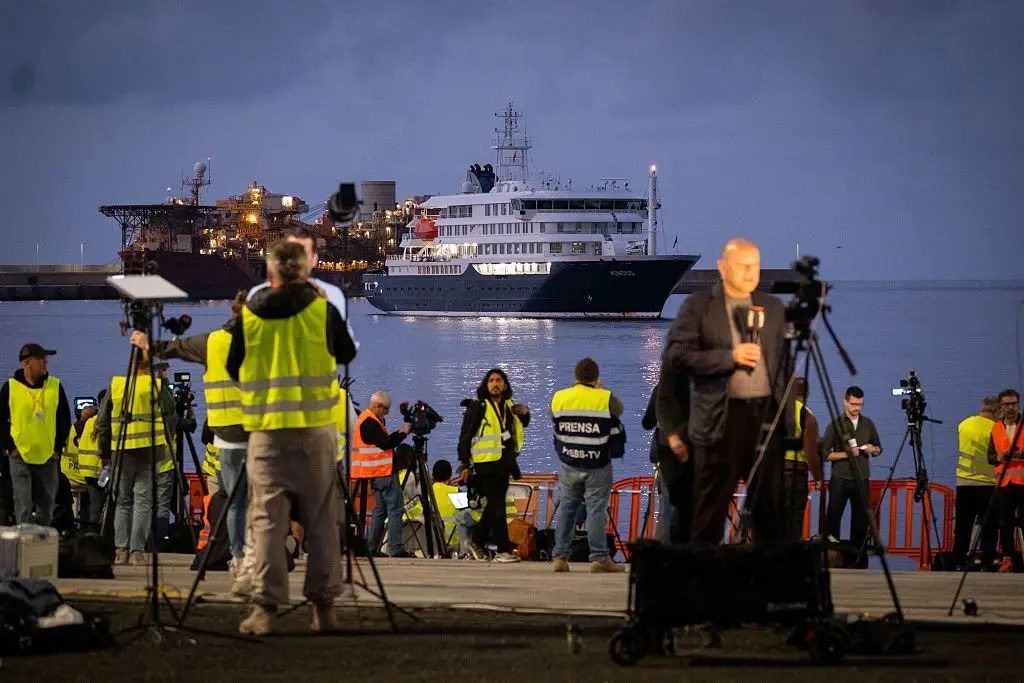
Three deaths have since been confirmed and several passengers have been evacuated.
The strain involved is the Andes virus which is the only known strain capable of spreading directly from person to person, rather than solely from animals to humans. Its fatality rate can reach as high as 50%.
Now, the Centers for Disease Control and Prevention has issued a message to the public after one US passenger was identified.
At least one American who disembarked on the island of Tenerife, Spain, ahead of their return flight has tested positive for the virus. Two passengers were flown home in biocontainment units as a precautionary measure, with one confirmed positive case and another displaying mild symptoms.
Speaking to CNN, the acting director of the CDC, Jay Bhattacharya assured people of the situation: "We don't want to cause a public panic over this. We want to treat it with the hantavirus protocols that we - that, again, were successful in containing outbreaks in the past. And so we followed those protocols."

The 17 Americans returning from the ship will not be going directly home. Instead, they will be flown to Nebraska and taken to the National Quarantine Unit for further monitoring and assessment.
Bhattacharya also stressed that the 'medical community' should understand what they're up against.
"The key message I want to send to your audience is that this is not COVID. This is not going to lead to [that] kind of outbreak," he noted. "We shouldn't be panicking when the evidence doesn't warrant it."
He explained that the risk of transmission is only high if the returning passengers have been in 'close contact with somebody who was symptomatic.'
According to microbiologist Dr Gustavo Palacios, who also spoke to CNN, the Andes strain is exceptionally rare, with only 3,000 cases ever recorded worldwide.
Primarily found in South America, it has a fatality rate of between 20 and 40% and can cause hantavirus pulmonary syndrome which is a severe condition that attacks the lungs.
Symptoms typically develop between one and eight weeks after infection. Early signs include fatigue, fever, muscle aches, headaches, dizziness, chills, nausea, vomiting, and diarrhoea. As the illness progresses, later symptoms can include coughing and shortness of breath, which are signs that the lungs are coming under increasing strain.