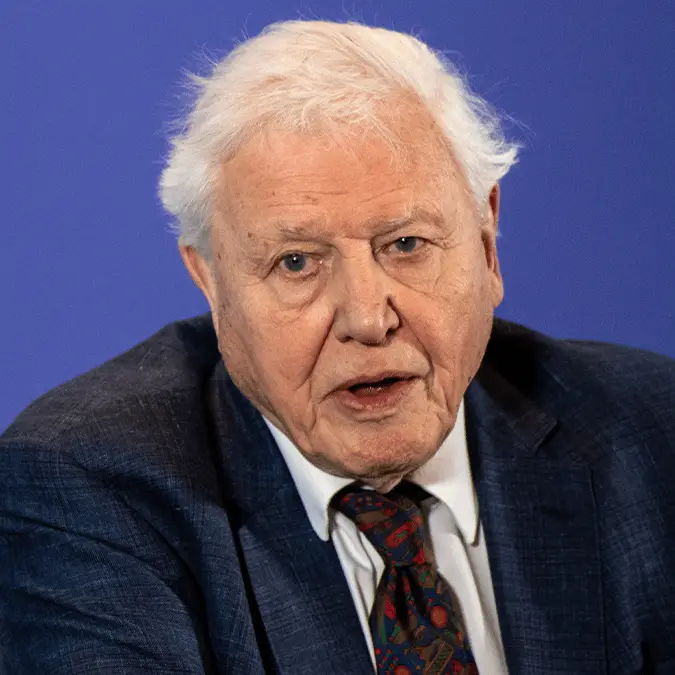
Sir David Attenborough warns 2030 could bring these devastating consequences for humanity


Sir David Attenborough has warned 2030 could bring devastating consequences for humanity as he celebrates his 100th birthday.
The legendary Sir David Attenborough turned 100 years old on 8 May, leading to an outpouring of tributes from around the world.
Google marked the occasion with a special animated tribute when his name is searched, while scientists in Chile named a newly discovered insect found at the Patagonian lakes in his honour.
However, while the British national treasure has spent a lifetime revealing the extraordinary beauty of the natural world, he has equally never shied away from delivering its hardest truths.
Advert
He was among the first public figures to sound the alarm about Earth's future back in 2020.
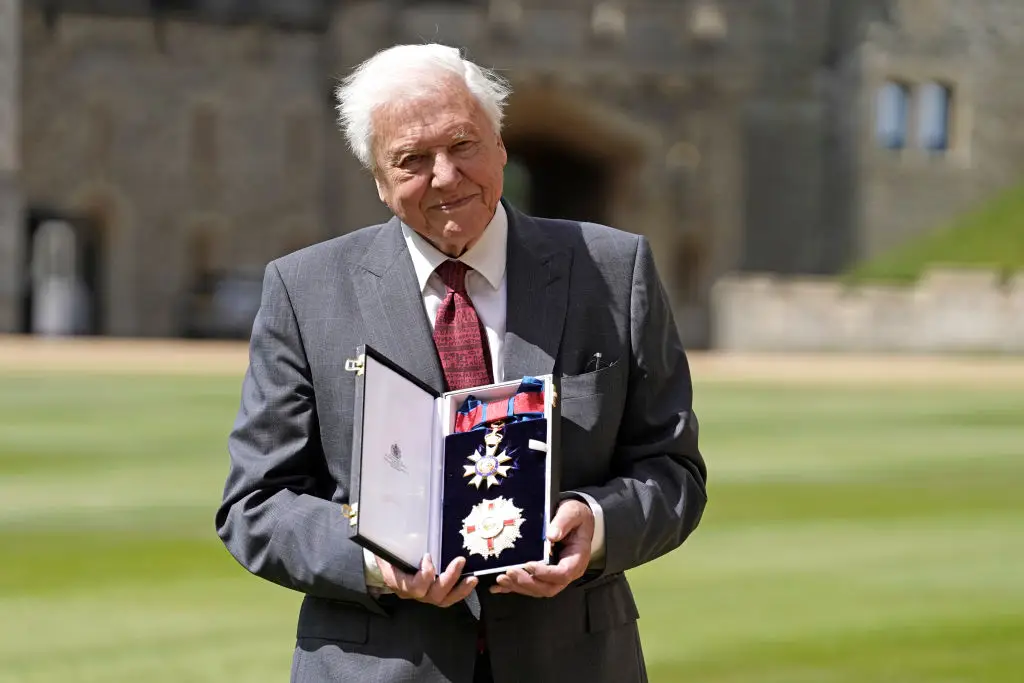
"There are short-term problems and long-term problems. Politicians are tempted to deal with short-term problems all the time and neglect long-term problems," he said at the launch of his Netflix documentary A Life on Our Planet (as shared by the Daily Express).
"(Climate change) is not only a long-term problem, it is the biggest problem humanity has ever faced. Please examine it, and please respond."
The veteran broadcaster mapped out what lies ahead for us in the next few decades in what he described as 'a series of one-way doors' with permanent effects.
"In the 2030s, the Amazon Rainforest, cut down until it can no longer produce enough moisture, degrades into a dry savannah, bringing catastrophic species loss... and altering the global water cycle," he noted.
"At the same time, the Arctic becomes ice-free in the summer. Without the white ice cap, less of the sun's energy is reflected back out to space. And the speed of global warming increases."
As frozen soils thaws and releases methane, which will 'accelerate the rate of climate change dramatically,' across the 2040s.
By the 2050s, the world's oceans, continuing to warm and acidify, reach a point of crisis.
"As the ocean continues to heat and becomes more acidic, coral reefs around the world die. Fish populations crash," Sir Attenborough warned.
Towards the 2080s, humanity's food systems will come under existential pressure.
"Global food production enters a crisis as soils become exhausted by overuse," the natural historian added. "Pollinating insects disappear[...] and the weather is more and more unpredictable."
According to Sir Attenborough, rising global temperatures in 2100 will make large parts of our planet uninhabitable.
"Our planet becomes four degrees Celsius warmer," he stated. "Large parts of the earth are uninhabitable. Millions of people rendered homeless. A sixth mass extinction event... is well under way."
The 100-year-old feels the main focus now is on protecting humanity against the potential consequences.
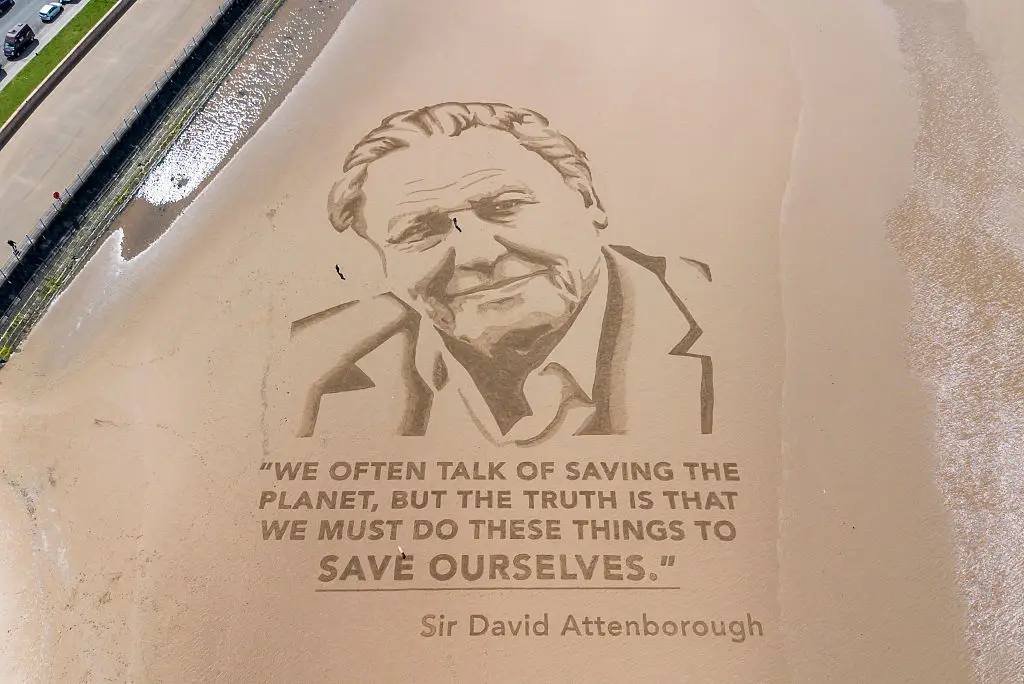
"I used to think this was about saving the planet, and now I realize it's not... nature will always look after itself," he concluded. "It's about saving us."