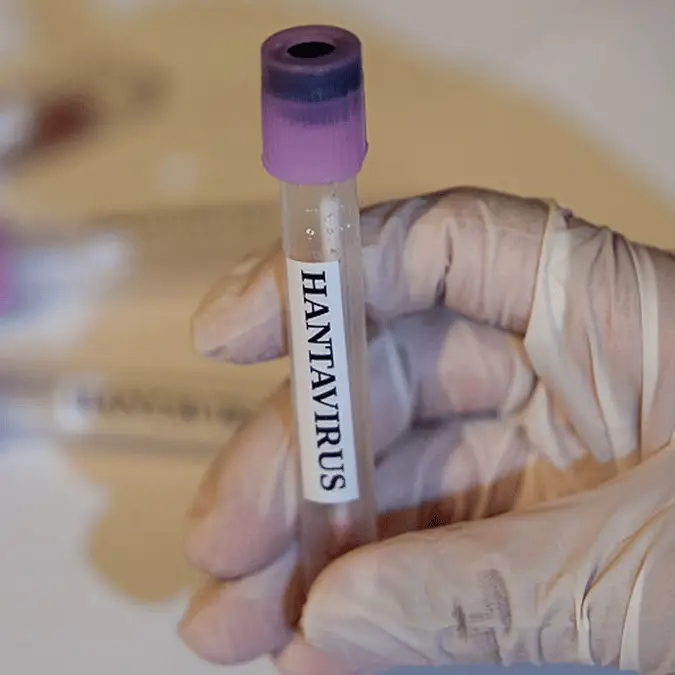
Hantavirus vaccine in the works following ‘level 3’ warning from US


Health officials and scientists from several major nations are already working on a prospective vaccine against hantavirus, as while authorities assess the risk to be low, you can never be too prepared for situations like this.
The prospect of another global pandemic is something that everyone will want to avoid, and while there have been a number of potential scares following the cool down on COVID-19, few have seemed quite as 'real' as one recent outbreak.
While hantavirus is far from anything new – as it was discovered over half a century ago by scientists in South Korea – a recent incident on a Dutch cruise ship has already caused several deaths and threatens to spread further.
Authorities have urged people to practice caution while also asserting that hantavirus has a far lower pandemic risk than COVID, considering the difficulty of human-to-human transmission as it primarily originates from the droppings and urine of rodents.
Advert
The World Health Organization (WHO) has revealed that five people on board the cruise ship have been confirmed to have contracted hantavirus, with three additional passengers suspected to have become infected on top of that.
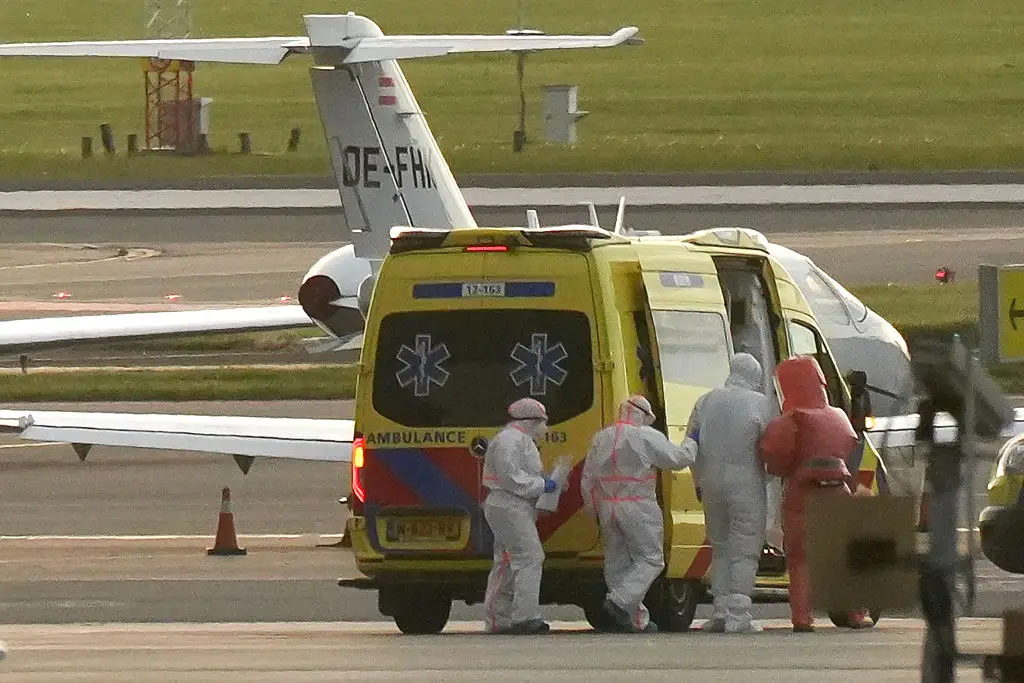
While most passengers have remained on board the cruise ship, some have been allowed to return to their home under direct instructions to isolate for over a month.
This outbreak and the subsequent deaths related to the infection have prompted the US Centers for Disease Control and Prevention (CDC) to classify the ongoing situation surrounding hantavirus as a 'Level 3' emergency, as plans for a vaccination officially begin.
This involves a team of scientists from the United Kingdom, United States, and South Africa, with the University of Bath's Chemist Professor Asel Sartbaeva – who is part of the group developing the vaccine – outlined when speaking to the BBC:
"Obviously, developing a vaccine would be amazing because then we can prevent instances of this disease happening or at least mitigate the really bad consequences of the infection."
This vaccine wouldn't just prove to be important for the hantavirus alone, as it is also testing a new technique that would free scientists from the transportation limits they currently face, as vaccinations can only be moved around the world while frozen.
Aiming to take advantage of a new method called ensilication, Professor Sartbaeva explains: "It's a new technology which I've been developing within my group for over 15 years now.
"Insilication is a new groundbreaking method for encasing vaccines with very tiny layers of inorganic material to make them thermally stable [...] So what we've been doing is that our group in Bath has been working with two other groups [...] We've been putting the thermal stabilization on top of it to make that vaccine resistant to temperature changes so that we can do, for example drone deliveries."
This could fundamentally change how effective the world is at dealing with public health crises or pandemic-level threats, and the hantavirus outbreak could prove to be the perfect testing ground to show how game-changing this new method can really be.