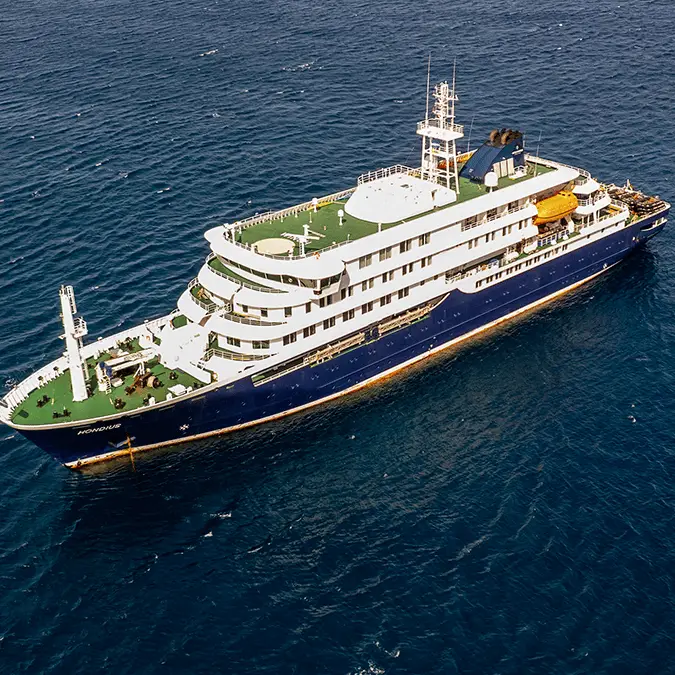
Truth behind viral cruise ship outbreak as internet fears next Covid pandemic is coming


Hantavirus is currently causing a stir online as many people fear the return of another global pandemic, but health organizations have been quick to clarify how dangerous the viral outbreak actually is and what's being done about the cruise ship currently carrying it.
Everybody has rightfully gained a noticeable level of concern surrounding any viral outbreaks following the COVID-19 pandemic, as it not only led to millions of confirmed deaths across the world, but effectively shut the globe down in an unprecedented chain of events.
There have been numerous scares over the years – including one recent discovery within bats that could actually prove to be helpful instead of harmful for scientists – but thankfully there has been nothing even close to the level of danger that the 2020 viral outbreak caused.
The emergence of a hantavirus outbreak on board a cruise ship has sparked fear once again, however, and health experts have come out to clarify where things stand in the present and the near future when it comes to potential risk.
What is hantavirus?
As explained by the UK Health Security Agency (UKHSA), hantavirus is an umbrella term for a group of viruses that are typically carried by rodents such as mice and rats, and it's typically transferred through droppings and urine.
Advert
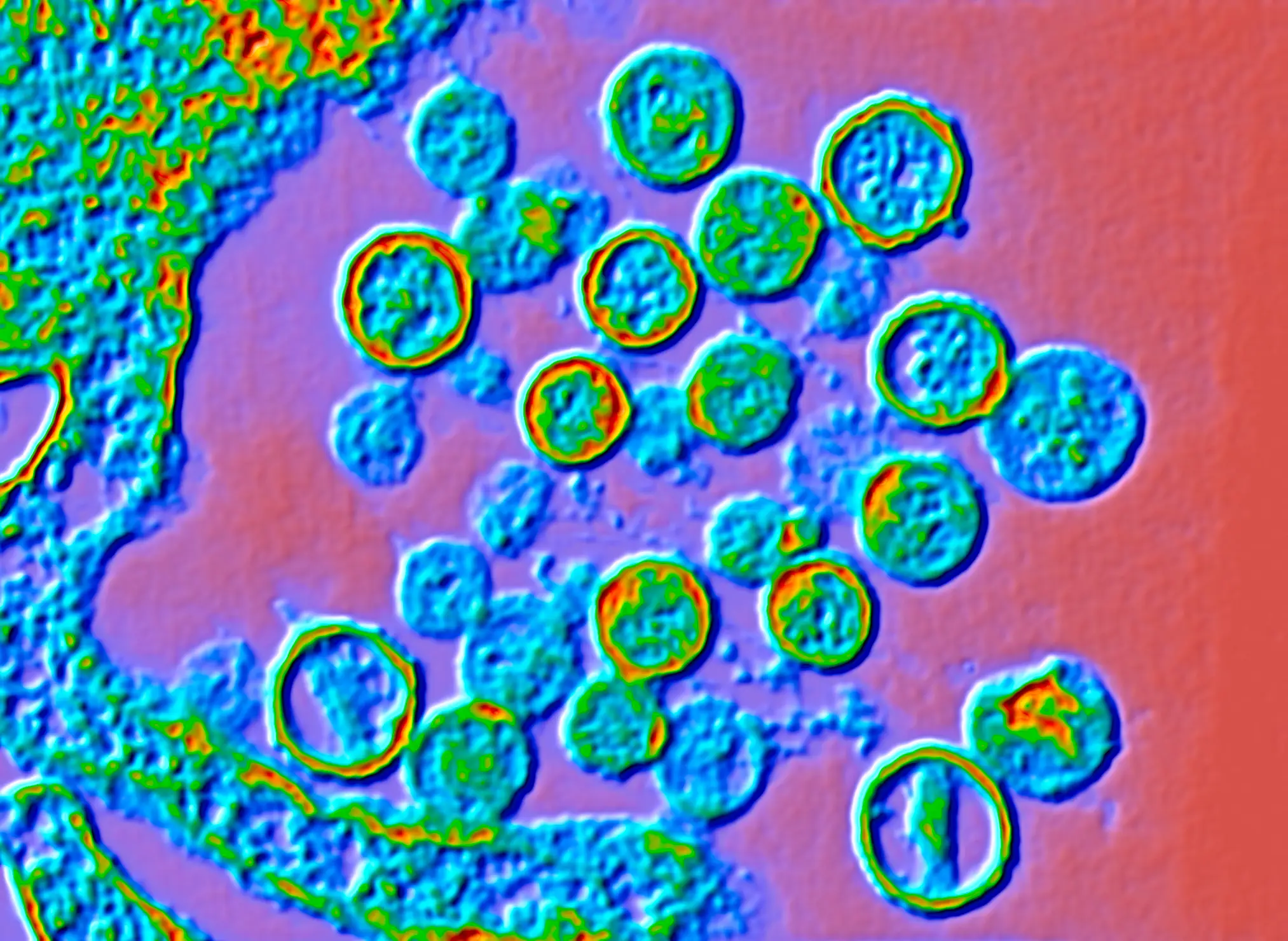
Its risk level appears to depend on a case by case basis, with the impact on your health ranging from mild side effects that you might associate with the flu, to severe respiratory illnesses that immediately harken back to COVID.
It's certainly not a new infection, as hantavirus has previously been spotted all around the world — yet a recent outbreak on board a cruise ship has prompted additional concern following several deaths.
What is happening with the cruise ship?
Across the last month it was identified that a Dutch cruise ship was the subject of a hantavirus outbreak, and three deaths have been reported so far as a result of the illness.
According to the World Health Organization (WHO), "seven cases (two laboratory confirmed cases of hantavirus and five suspected cases) have been identified, including three deaths, one critically ill patient and three individuals reporting mild symptoms."
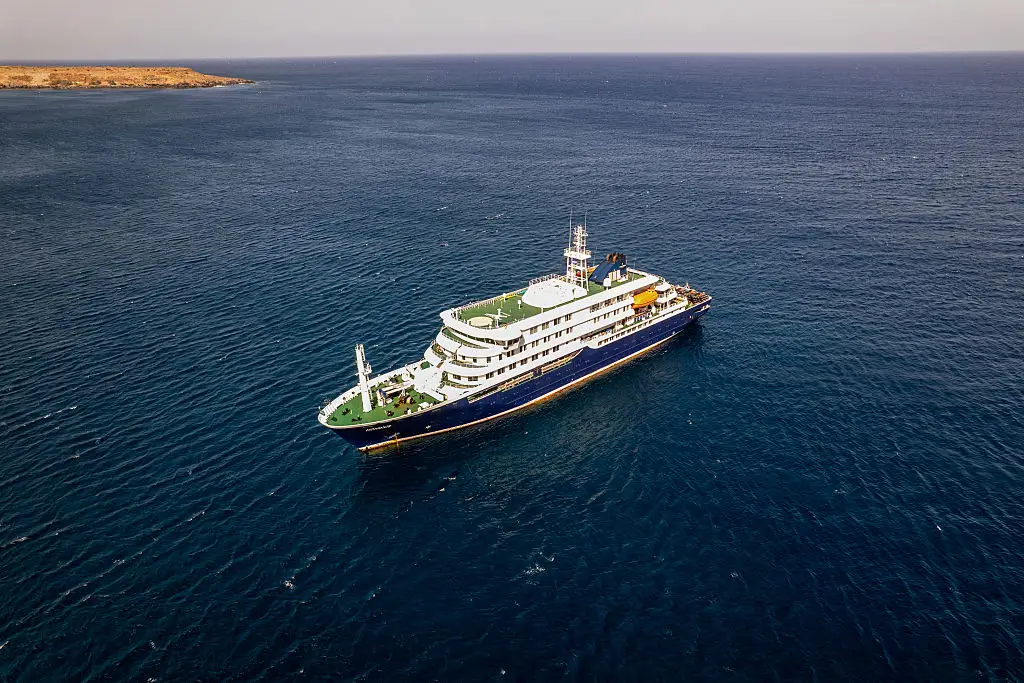
The WHO also indicated that the outbreak on board the ship is being "managed through coordinated international response, and includes in-depth investigations, case isolation and care, medical evacuation and laboratory investigations."
How dangerous is hantavirus right now?
While contracting hantavirus does lead to a risk of death, health officials have been clear in downplaying the dangers that the world currently faces amid this isolated outbreak, especially when it comes to human-to-human transmission.
"WHO currently assesses the risk to the global population from this event as low and will continue to monitor the epidemiological situation and update the risk assessment," the health organization asserted, quelling the fears that many might have.
In addition, the UKHSA has added that the specific risk to the UK population is "very low," noting that "hantavirus s not spread through everyday social contact like walking in public spaces, shops, workplaces, or schools.
"In the rare instances where a person has caught hantavirus from another person (rather than from a rodent), they have had close and prolonged contact with the person who has been infected with hantavirus."
The agency also illustrated that, at the time of writing, "no additional precautions are necessary for the public," which is telling considering the determination for any country to avoid another global pandemic.