
Scientists discover new alphacoronavirus with pandemic potential


Scientists have made an alarming discovery, finding traces of an alphacoronavirus in East Africa that could spiral into a global pandemic.
The COVID-19 pandemic was one of the biggest health incidents in human history as death tolls soared beyond 7 million across the world, so a repeat of any kind is something that everyone would desperately want to avoid.
Health officials have thankfully implemented systems that should hopefully assist in the event of another world-altering viral outbreak, and the experience gained from the incident that began just half a decade ago would also bring about a faster response.
That might be needed soon, however, as scientists have discovered a frightening new alphacoronavirus form within bats in East Africa, with potential to snowball into a pandemic.
Advert
As reported by WION, the risk comes from an alphacoronavirus – which is a member of one of the first four genera of coronaviruses, which doesn't include COVID-19 – with this one in particular being referred to as KY43.
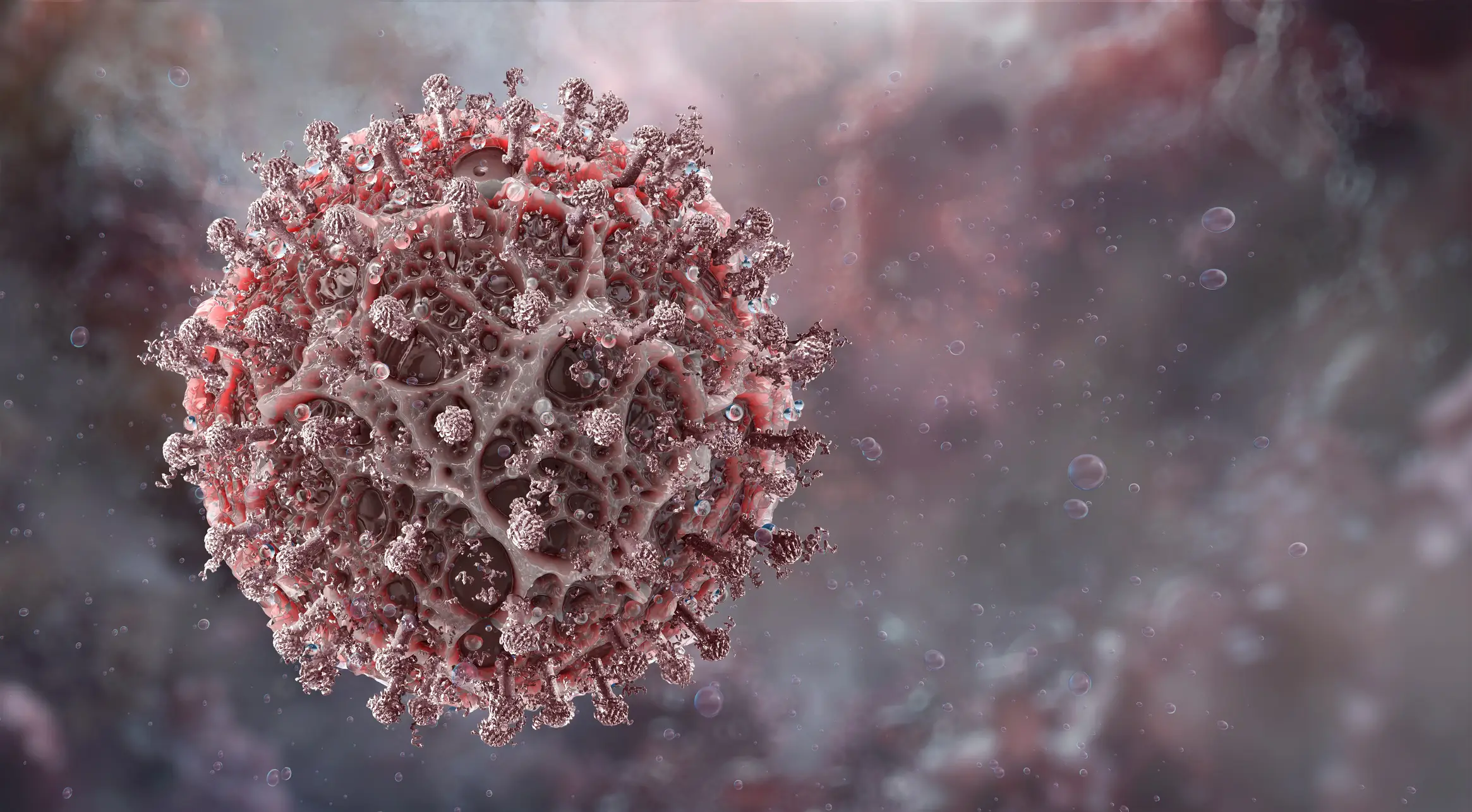
It has the potential to enter human cells and bind to receptors within the lung, although it thankfully hasn't yet crossed over to human populations in the areas where it has been discovered.
Thankfully alphacoronavirus are considered less dangerous overall than their betacoronavirus counterparts, and are more commonly associated with milder diseases like the common cold — although you never know how these things can mutate over time.
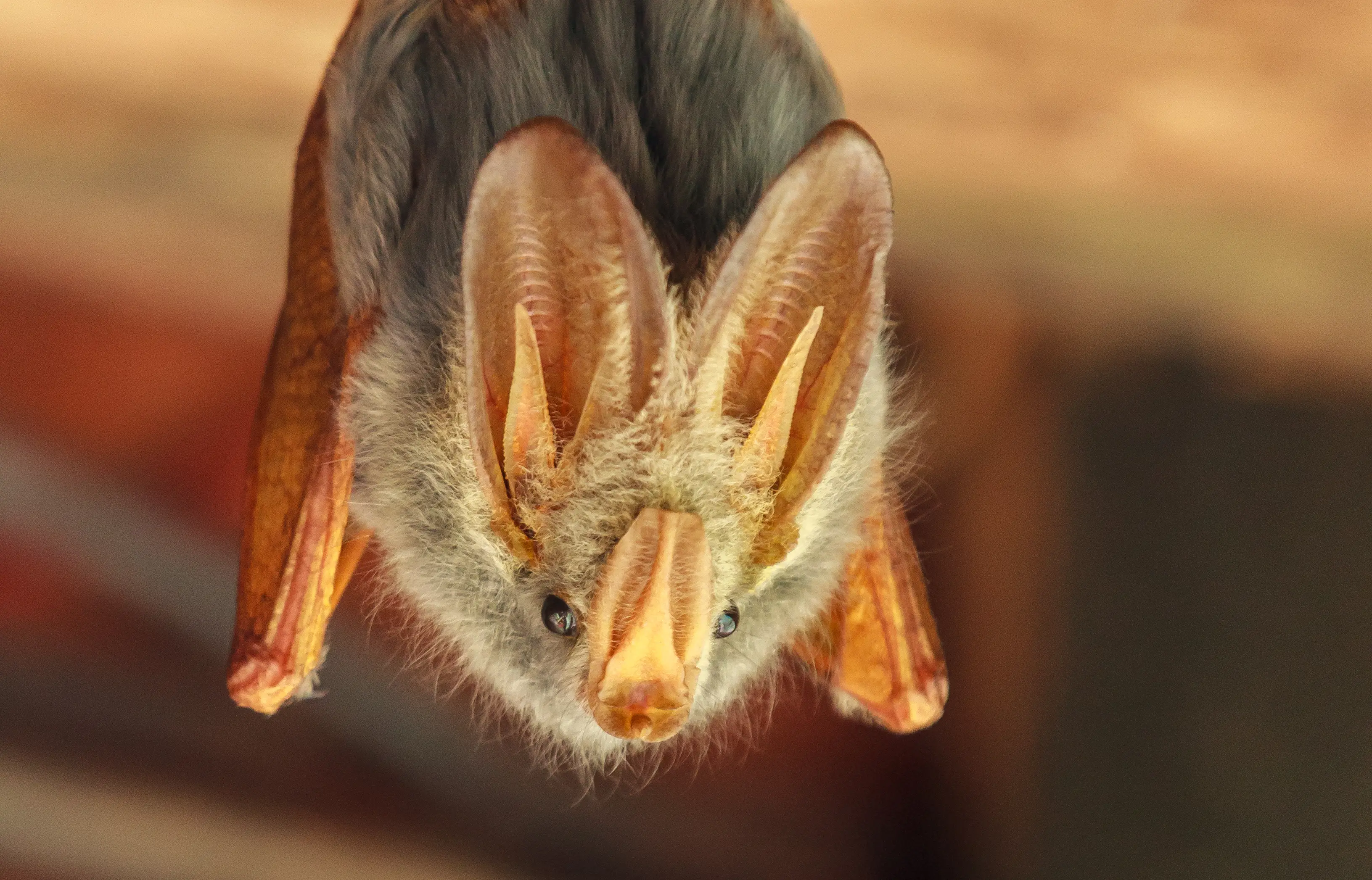
KY43 has been initially identified within heart-nosed bats in Kenya, eastern areas of Sudan, and northern areas of Tanzania, with researchers indicating that it could have the potential to spread like a pandemic if humans become infected.
In particular, the find has illuminated scientists to the ability for alphacoronaviruses to enter the host through more receptors than previously though, with Dr Dalan Bailey explaining the importance of this:
"Before our study, it was assumed that most alphacoronaviruses used just one or two possible receptors to enter their host, and the only difference was which species they could enter," he explains.
"We now know alphacoronaviruses might just a whole variety of additional receptors to get into cells."
This research could also prove to be vital when tackling viral outbreaks like this in the future, with BBSRC Executive Chair Professor Anne Ferguson-Smith illustrating:
"This discovery shows that with the right investment in fundamental science and strong international partnerships, we can stay one step ahead. By bringing together world-leading scientists from the UK and Kenya, this team has found a smarter, safer way to identify viruses with the potential to infect humans before they do."
Professor Ferguson-Smith also noted that "understanding how animal viruses can cross into human cells is vital if we are to be better prepared for future health threats."