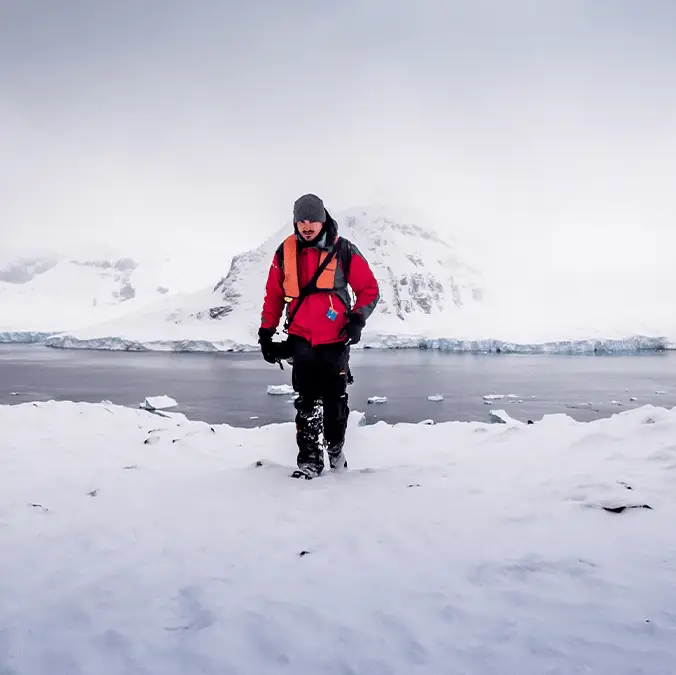
Scientists shocked to discover brand-new accent never heard before


Scientists believe that they've discovered a completely new accent that has never been heard before, as unorthodox living conditions in a place where no humans naturally inhabit has caused some to develop the unique way of talking.
Everybody has an accent even if it's not necessarily separate from the 'norm', and its often one of the key things that differentiates us in terms of where we come from and even the social environments in which we grew up.
Accents can fade, morph, and develop over time depending on the conditions of which you live, and you can even track some of the more 'modern' speech patterns through the way humans have moved around the world across history.
Linguists have even discovered new micro languages in certain parts of the United States where communities have developed unique lexicons through the hybrid of multiple languages and accents, but it's certainly a rare prospect to find a new accent altogether.
Advert
As reported by the Independent, this has been discovered in Antarctica despite the continent being the only one on Earth with no natural human habitation, but the living situation of certain researchers and scientists has prompted a new way of speaking to form.
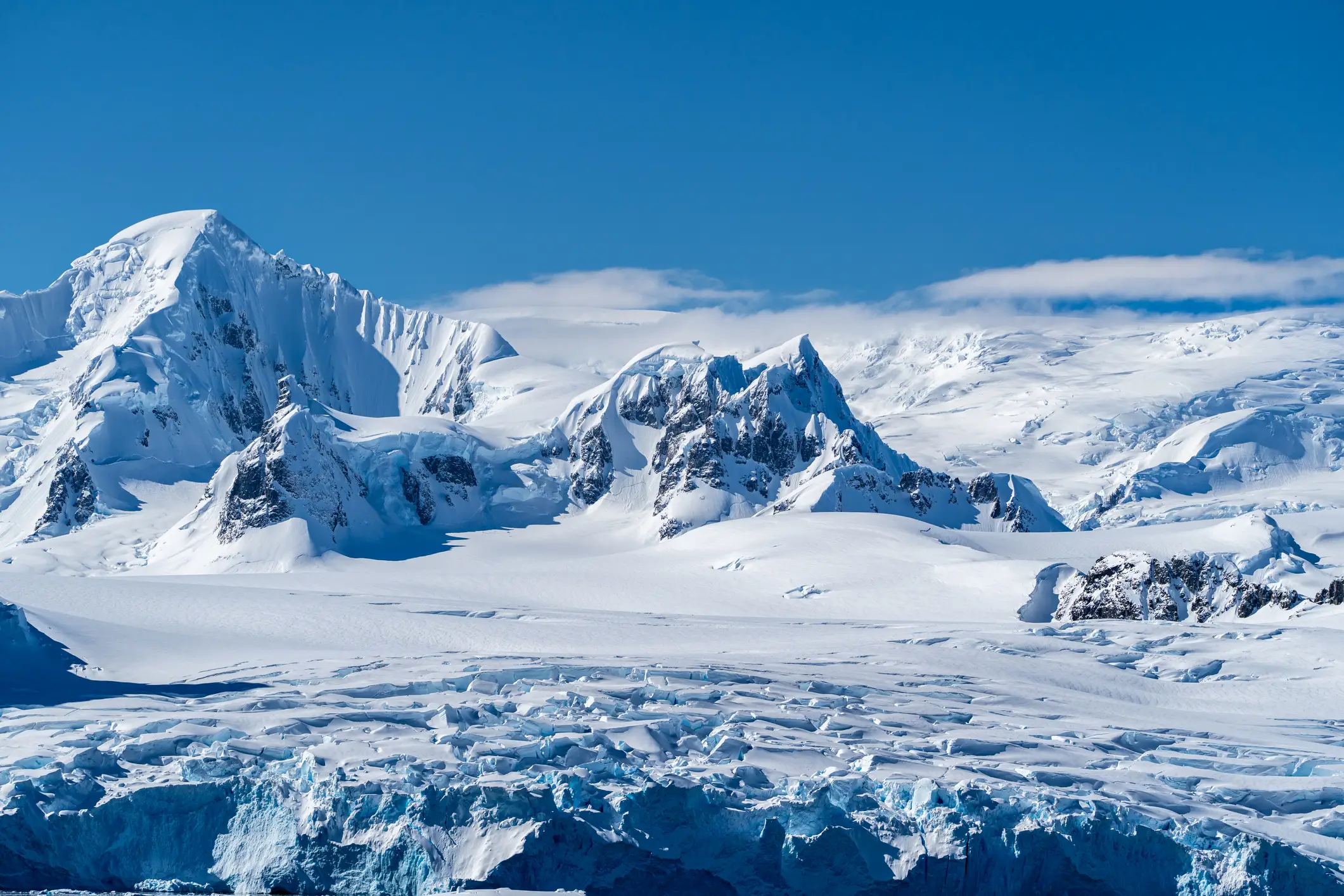
It is believed that this new 'Antarctica accent' was forged through the contrast between the extreme isolation from the outside world and the high levels of interaction between scientists researching on the icy continent, causing a common accent to emerge despite temporary residents coming from all around the world.
A new study published in The Journal of the Acoustical Society of America analysed this phonetic change and the development of a new accent, following closely 11 scientists who took part in surveys of Antarctica.
These scientists were from various parts of the world, coming from the UK, US, Germany, and Iceland, yet they all appeared to develop longer vowel sounds as a result of their time around the other scientists.
Participants also appeared to pronounce 'ou' sounds with the front of their mouths, as opposed to the back of their throats that they had prior to researching on Antarctica.

"The Antarctic accent is not really perceptible as such – it would take much longer for it to become so – but it is acoustically measurable," outlines Jonathan Harrington, lead author of the study, in an interview with IFL Science.
Harrington adds that "it's mostly an amalgamation of some of the aspects of the spoken accents of the winterers before they went to Antarctica, together with an innovation.
"It's far more embryonic [than conventional English accents] given that it had only a short time to develop and also, of course, because it's only distributed acorss a small group of speakers," the researcher explained.