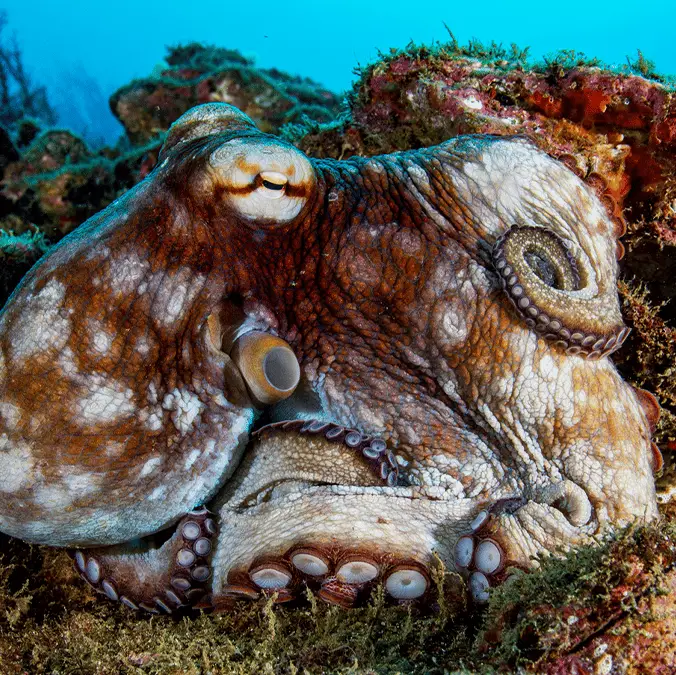
Scientists discover 'world's oldest octopus' is actually something else entirely


It's not often that scientists stumble upon a detail that recontextualizes a foundational understanding, yet recent research has revealed that the world's oldest octopus is actually not what it seems.
We certainly don't blame you if you're afraid of octopuses and squid, as the multi-tentacled beings are often present within the ocean's most frightening nightmares in both big and small forms.
The average lifespan of cephalopods – the animal group that includes the octopus and squid – is actually surprisingly short with most only living anywhere between three and five years, yet a recent discovery about the world's oldest known octopus has left many scientists stunned.
Estimated to be around 300 million years old, this ancient squid was discovered through a fossil and has long been considered the first known entity of its kind until a new revelation has added new context to that title.
Advert
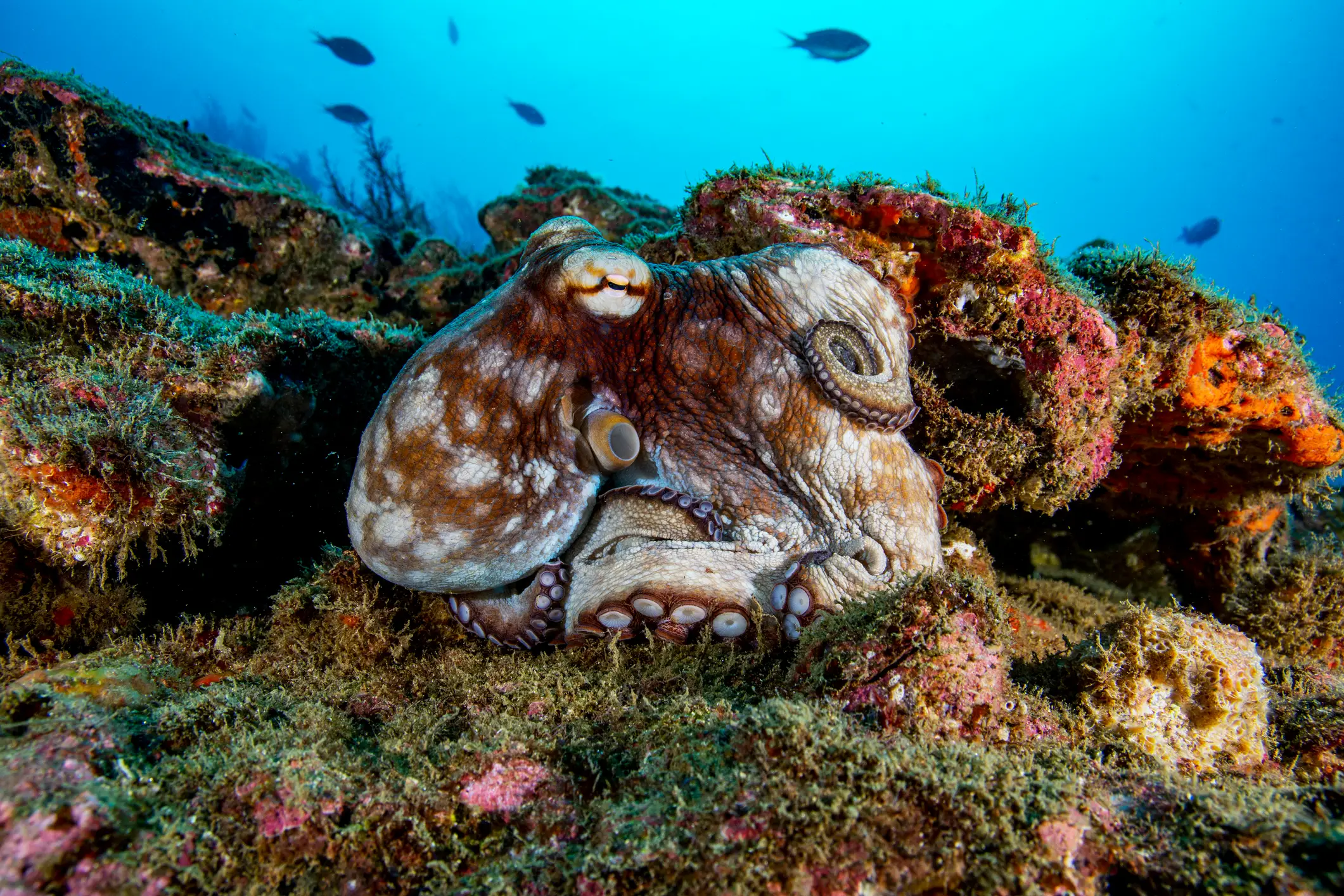
As reported by CNN, new scientific research published in the Proceedings of the Royal Society B journal indicates that this 'octopus' is actually an animal relating to the modern nautilus, possessing the signature tentacles alongside an external shell.
"Pohlsepia mazonesis, from the late Carboniferous Mazon Creek Lagerstätte, has been suggested to be the oldest fossil octopus," the study outlines, indicating that it has proven to be a "key calibration point for molecular clock studies."
It adds, however, that "synchrotron micro-X-ray fluorescence elemental mapping reveals a radula obscured by the matrix, definitely confirming a molluscan affinity. Crucially, radular tooth count and morphology indicate that Pohlsepia is not an early octobrachian but rather a decomposed nautiloid."
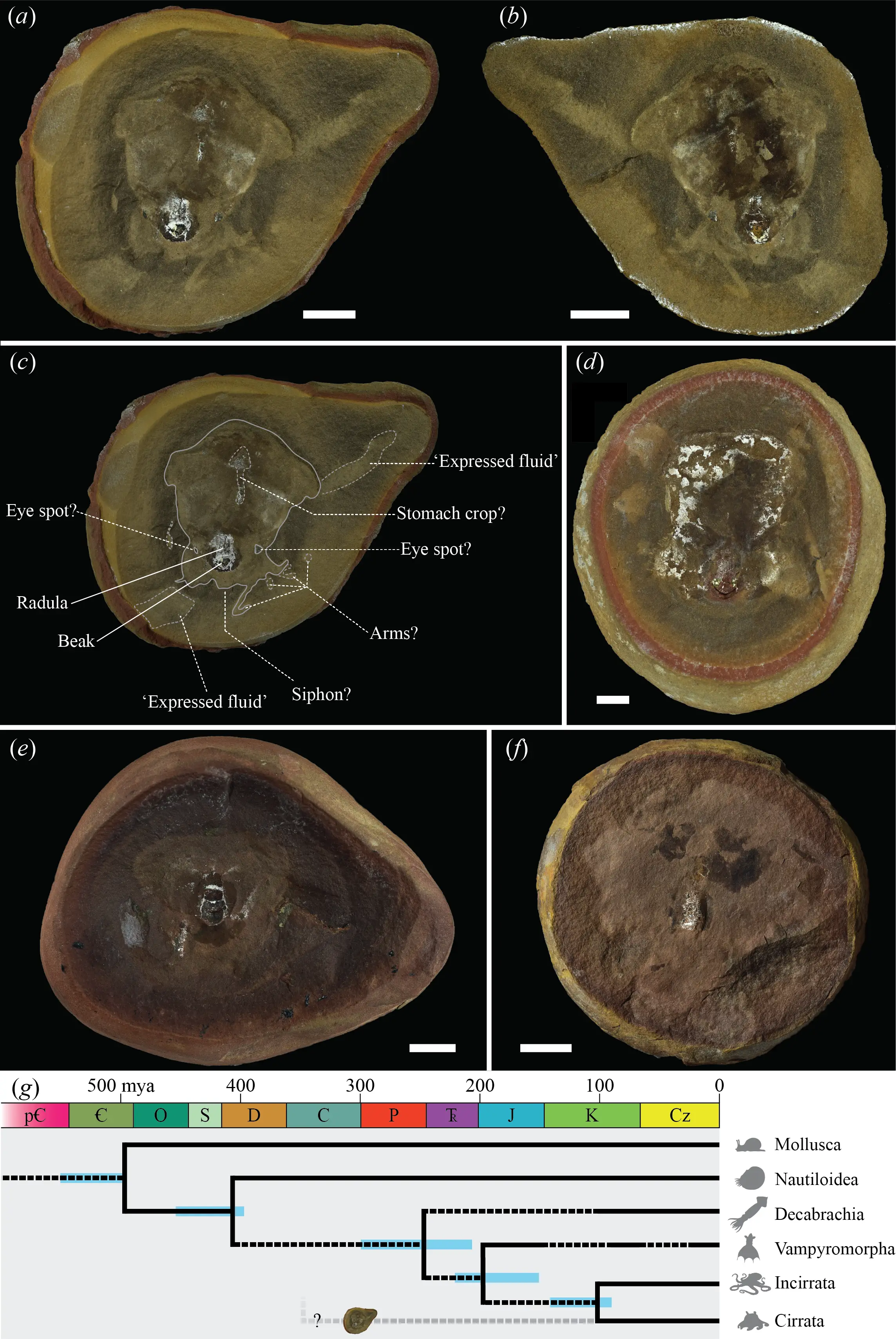
The fossil itself was found at the Mazon Creek site near Chicago, and it could perhaps even lead to further analysis of similar fossils found within the area using similar techniques, potentially unlocking fresh revelations in tow.
As to why the misclassification was made in the first place, the decomposed nature of the nautilus – which is estimated to have taken several weeks before its burial – prompted the fossil to obtain an octopus-like appearance, effectively deceiving the researchers who first discovered it.
"We basically used a wide selection of new analytical techniques to discover hidden anatomical characteristics within the rock," explained lead author Thomas Clements in an interview with CNN.
It also solves a major outlying factor that previously made little sense to scientists, as the next oldest octopus was dated 'only' around 90 million years into the past, creating a significant gap in time and leading researchers to believe that the species' history stretched back far earlier than it actually did.