Scientists discover virus could be hidden cause of one of world's most common cancers


One woman's unusual situation has led to worrying results in a major new study, as scientists have discovered frightening evidence that a common virus could be linked to the development and spread of numerous forms of cancer.
Research under the medical umbrella of cancer is ever evolving as experts and scientists work tirelessly to find cures and preventative treatments to eliminate the often deadly group of diseases.
Some surprising research in recent years has managed to link certain unexpected treatments to the reduction of specific types of cancer, as one connects aspirin to the reduction of cancer in the brain, and another to the use of weight loss drugs in eliminating breast cancer.
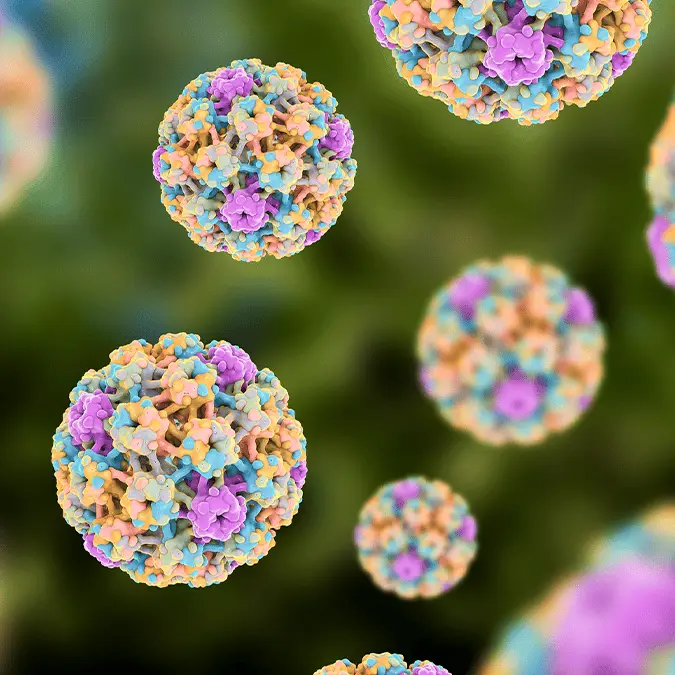
However, scientists have unearthed a frightening new discovery thanks to peculiarities in one woman's treatment, proposing evidence that the common virus known as human papillomavirus – or HPV for short – can actually aggress and spread some of the most prevalent forms of cancer.
Advert
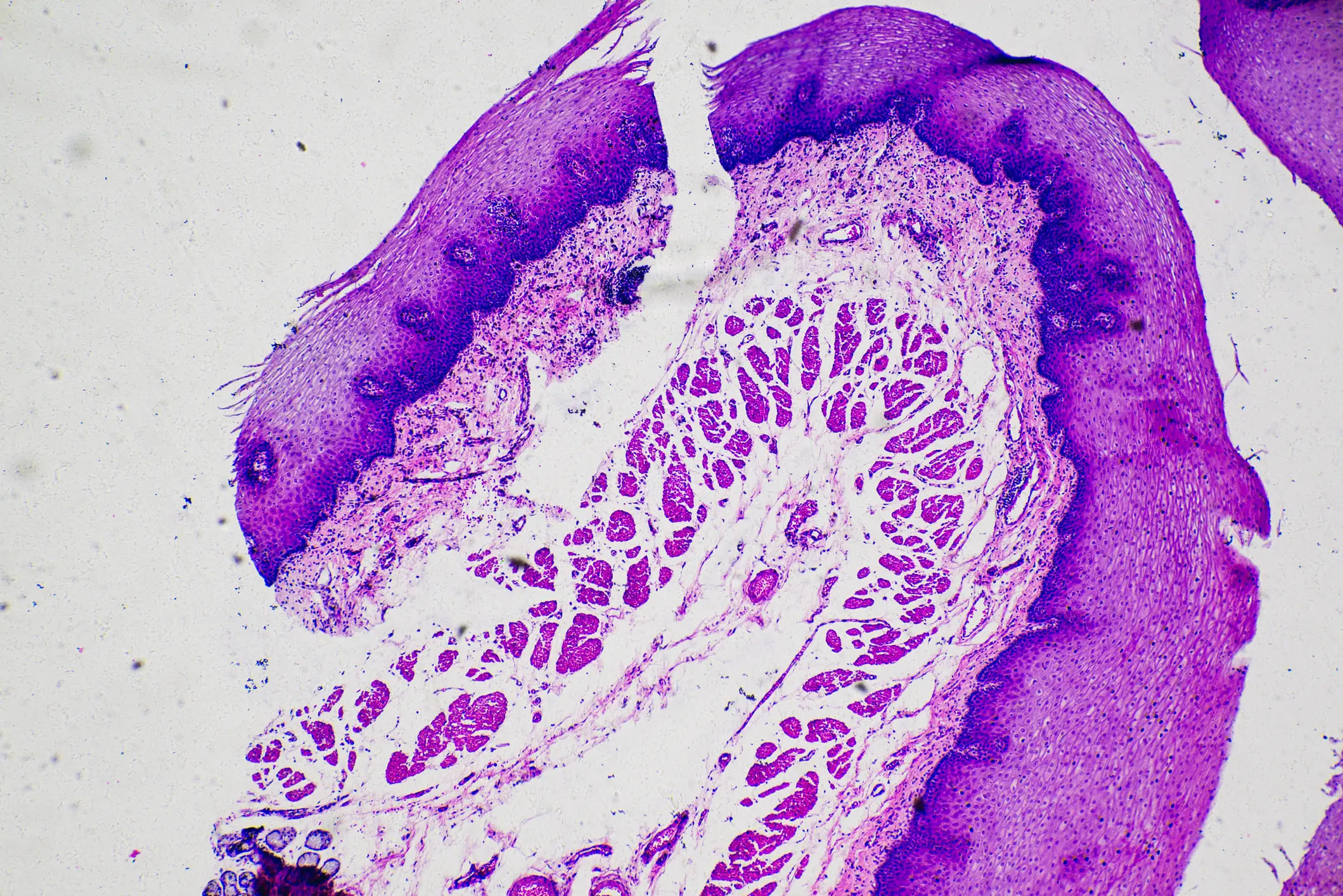
As reported by ScienceAlert, the research began when one 34-year-old woman kept having to come back after immunotherapy treatment and surgeries failed to remove an instance of cutaneous squamous cell carcionma (cSCC) on her forehead.
It simply didn't make sense to the doctors attempting to treat her, so they sought out closer genetic analysis to see if anything unusual or unexpected would crop up in the results.
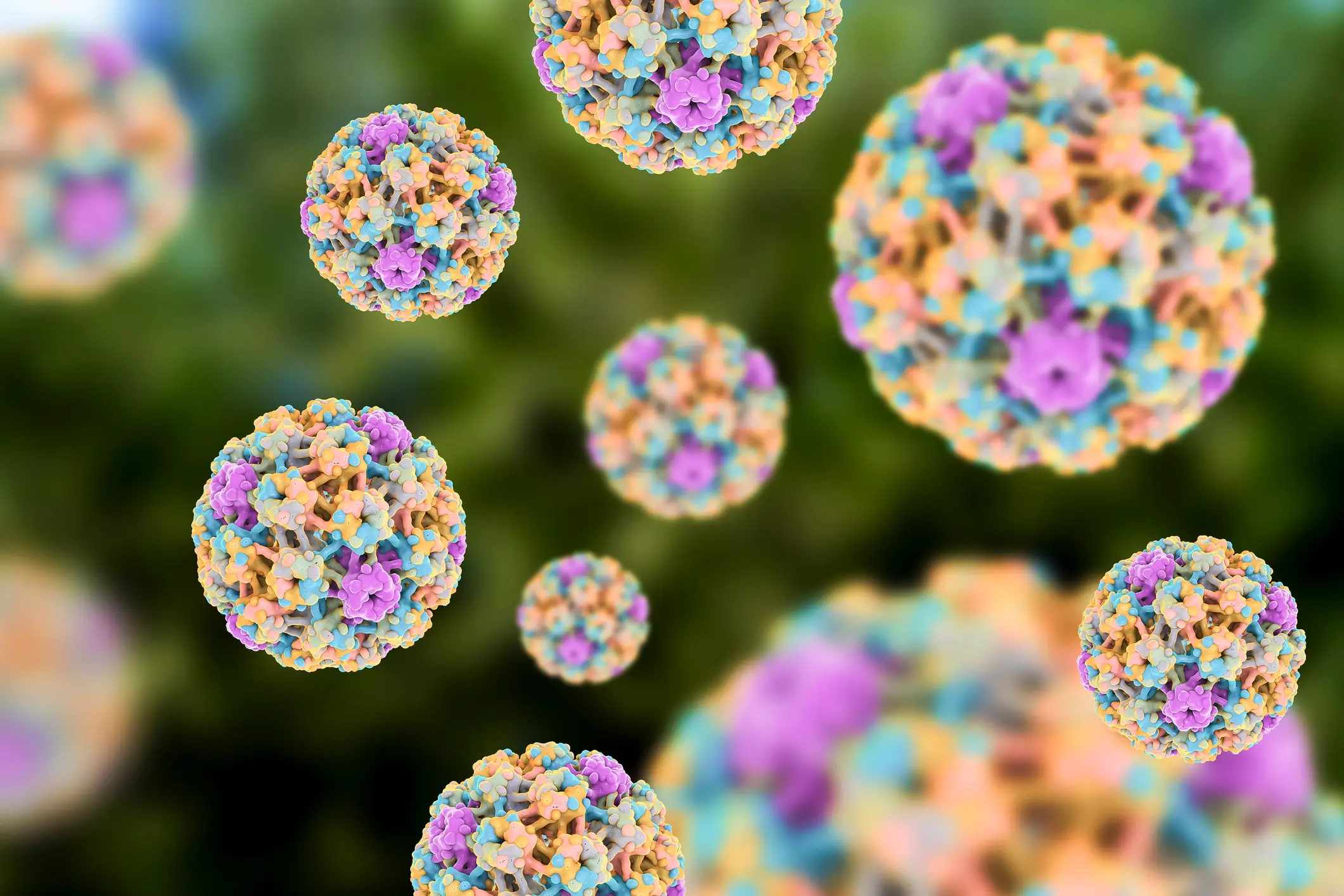
What they found was bigger than they anticipated though, as the beta-HPV virus had managed to integrate itself into the DNA makeup of her tumor, allowing it to thrive and spread through the production of viral proteins.
This has never been seen before across medical history, and suggests that beta-HPV is far more dangerous than previously thought, especially in patients who are actively suffering from tumors or cancer.
Andrea Lisco, an immunologist from the US National Institute of Allergy and Infectious Diseases (NIAID), illustrates that "it suggests that there may be more people out there with aggressive forms of cSCC who have an underlying immune defect and could benefit from treatments targeting the immune system."
It was also discovered that the woman in question had an impairment of her T cells, meaning that the beta-HPV virus could invade her skin cells and cause the cancer she was suffering from in the first place.
As a result, she was given a bone marrow stem cell transplant which replaced her impaired T cells with active and healthy ones, causing her to have no further issues across a three-year follow up period, removing the cancer completely.