
Groundbreaking new research reveals group of people most at risk of colon cancer


New research has indicated that one particular group of people is facing a higher risk of developing colon cancer than previously though, with health experts speculating as to why that could be the case.
Cancer in its many forms remains a challenge for doctors and medical experts to deal with, especially when it continues to spread throughout the body.
While 'cures' are beginning to emerge for some of the more aggressive and dangerous forms, it's still far from eradicated, especially if people aren't aware of the causes and symptoms of the deadly diseases.
One of the more dangerous forms of cancer is found in the colon, otherwise referred to as colorectal cancer, as it is not only challenging to spot in the early stages of development, but it is challenging to deal with once it grows with a roughly 10 percent survival rate at that point.
Advert
Most people are under the impression that it's something typically reserved for the later stages of life, yet groundbreaking new research has proposed that it actually develops far earlier, with young people developing the disease at an alarming rate.
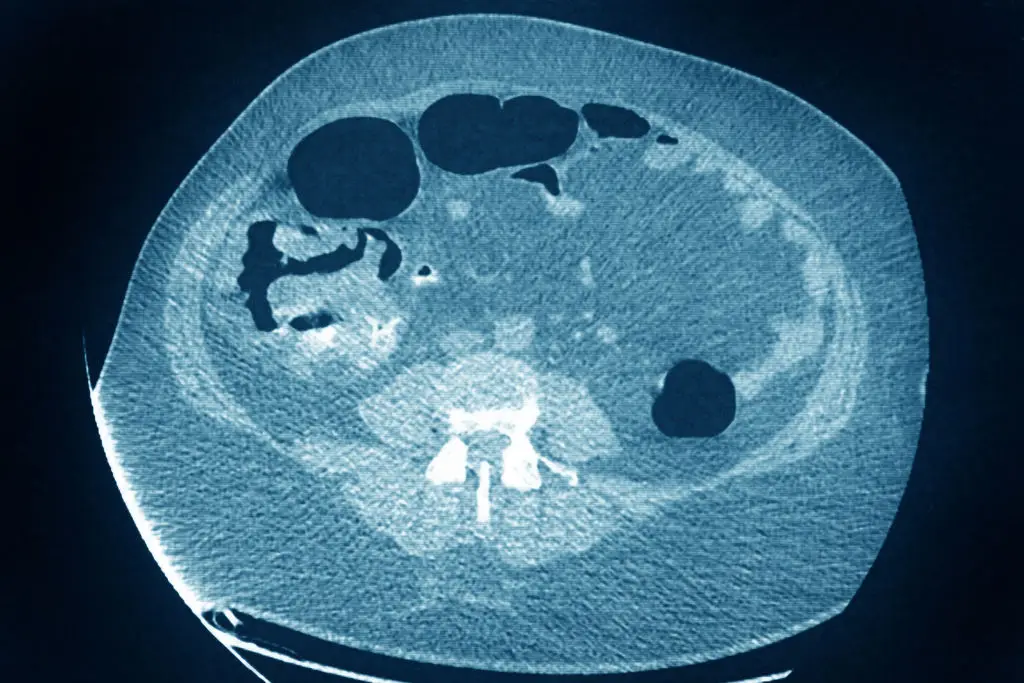
As told by BusinessInsider, ongoing research conducted by cancer doctor Tim Cannon in Virginia has suggested that people in their 20s and 30s are seeing the biggest increase when it comes to cases of colon cancer.
Examining 100 long-distance runners between the ages of 35 and 50, Cannon discovered that 39 had developed a form of precancerous tumor in their colon, with the cancer taking an advanced form for 15 of that 39.
This represents a far higher percentage than the expected rate of 1.2 percent – albeit from a comparatively small sample size – leading some to speculate why this might be the case.
There's no clear answer quite yet, but theories among medical professionals and scientists consider the role that microplastics, antibiotics, high sugar consumption, and even blue light from smartphones could play a role in this.
Factors in the very early life of individuals could also play a key role, with some speculating that it starts to develop as early as the first nine months of a baby's life.

Research conducted by molecular biologist Ludmil Alexandrov revealed that a mutation present in more than half of colorectal tumors affecting people under the age of 40 stemmed from colibactin — a toxin produced by a strain of E. coli.
"You get your first hit at age 1 instead of age 30," explained Alexandrov, adding that "you are about 20 to 30 years ahead of schedule for cancer."
This hypothesis still hasn't been widely accepted by the medical world, yet could be a key indicator that prevents the development of colon cancer among younger individuals, preventing a significant loss of life later on.
As to why colibactin appears, doctors have speculated that it could either be due to changes in diet – particularly relating to ultra-processed foods and a lack of fiber – or even down to certain medical methods like C-sections, although it remains unclear.