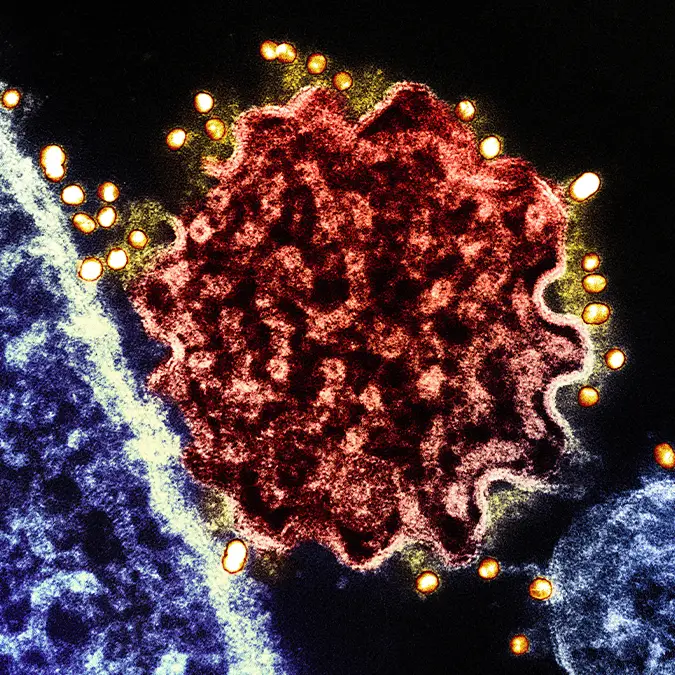
Australian officials issue update amid outbreak of one of the 'deadliest viruses known to humans'


Officials have raised concerns over reports of human cases for one of the 'world's deadliest viruses', issuing an alert amid the outbreak as two cases have been confirmed so far in India.
A new global health crisis could be on the horizon following the seemingly increased spread of the Nipah virus, of which the symptoms have been shared, sparking fear among many that something even deadlier than COVID 19 could run rampage across the world.
Several countries have already implemented pandemic-esque screenings at airports following news of the virus' spread, and the Indian government has previously issued an 'important update' as the situation develops.
It's particularly concerning due to the mortality rate, which is estimated to be somewhere between 40 and 70 percent for humans, putting both governments and citizens on high alert.
Advert
Two cases of the Nipah Virus Infection (NiV) were reported in West Bengal State, India, with confirmation on January 13 after symptoms appeared to develop in late December last year.
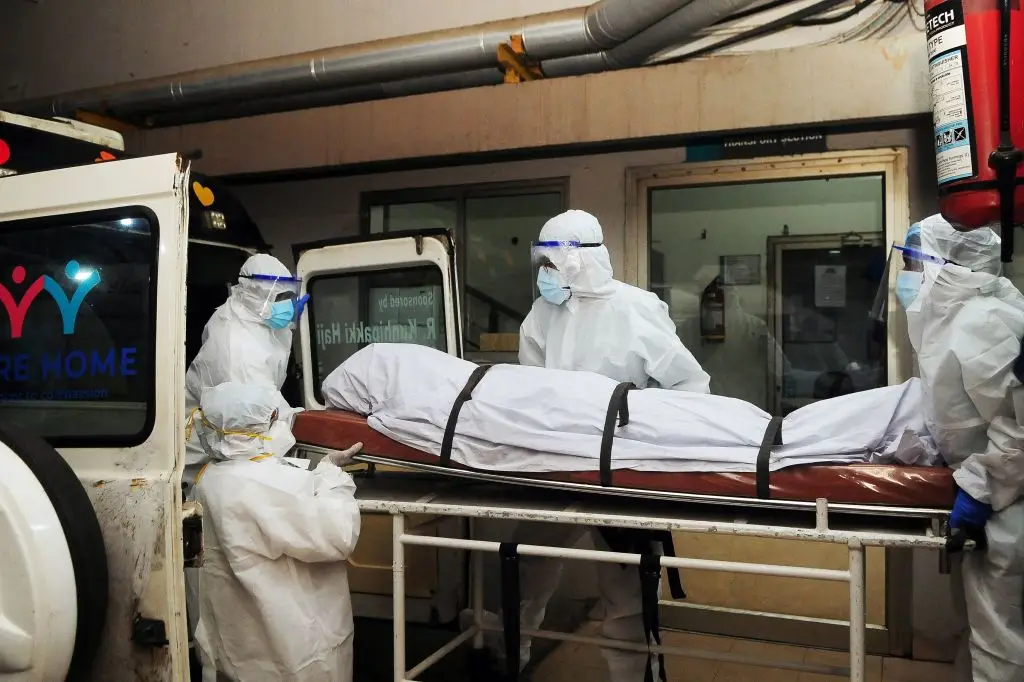
196 different contacts were identified as having been linked to the two cases, but thankfully all have tested negative and have proven to be asymptomatic so far, although rightfully there is still concern that the virus could continue to spread.
The Australian Centre for Disease Control has now issued an important update regarding the situation in West Bengal, although it does thankfully indicate that the situation is perhaps not quite as concerning as it initially seemed.
"The current NiV cases in West Bengal do not represent a change in the known geographic range or epidemiology of NiV, and only two cases have been reported in this cluster to date, with no evidence of international spread," the statement reads.
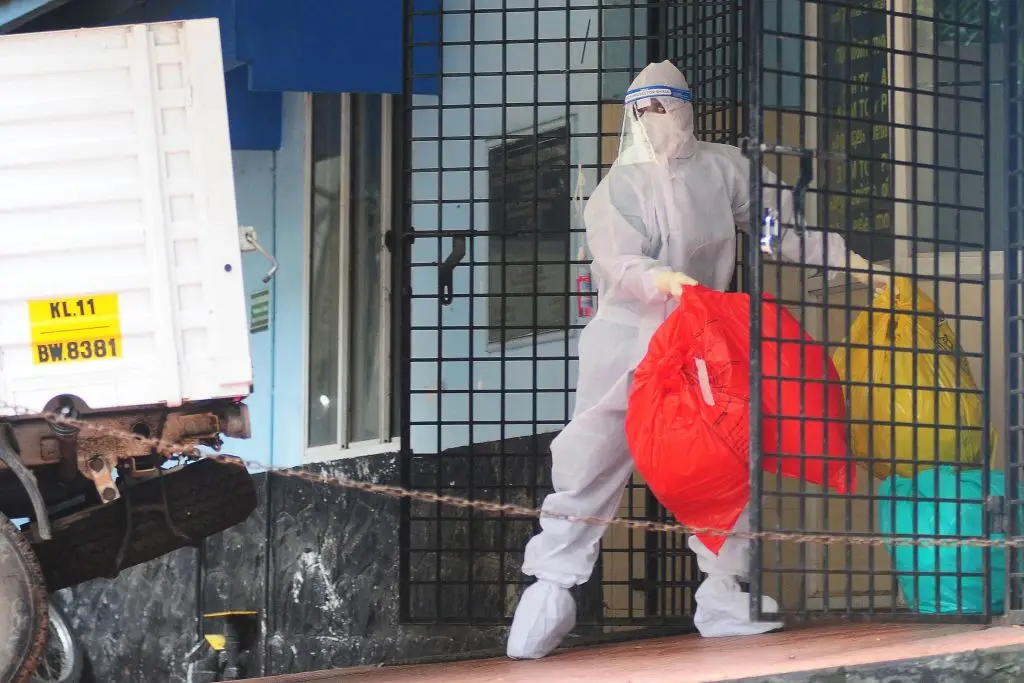
It adds that "human-to-human transmission is inefficient and typically requires very close contact," noting that this is typically restricted to "household or healthcare settings."
Additionally, the Australian CDC insists that it "can rapidly manage an imported case, with diagnostic capacity to detect and confirm cases of Nipah Virus," outlining the capacity to "enable rapid assessment and referral when needed."
This has been echoed by Wang Linfa, an expert on global zoonotic diseases, as he revealed to The Australian the steps that should be taken to limit the spread of the potentially fatal disease.
"We should have emails and phone numbers for all passengers arriving from affected areas and make sure we know who comes in," the health expert advised, noting that "not everyone who comes in from India needs to be PCR tested. That would be overdoing it."