
Symptoms of deadly Nipah virus explained as outbreak triggers COVID-style measures in airports


Amid fears that 2026 is about to welcome another deadly pandemic akin to COVID-19, the eyes of the world are turning to Asia.
With various lockdowns, the COVID pandemic raged from March 2020 until the public health emergency of international concern ended in May 2023.
Even though there are still COVID deaths every day, there are fears that a potential outbreak of the deadly Nipah virus could similarly bring the world to a halt.
Following several infections in West Bengal, airports have already introduced COVID-esque security measures to try and prevent its spread.
What is Nipah virus?
Advert
Boasting an alarming mortality rate of anywhere between 40% and 70%, the Nipah virus is typically spread by infected bats and pigs through their saliva and urine. In particular, Pteropus bats (flying foxes) are the leading reservoir of Nipah virus, with pigs then eating fruit that's been bitten and dropped by the bats.
Pigs developing respiratory problems and coughs are known to pass it to humans, while infected horse meat and date palm sap contaminated with bat feces are other key transmitters.
The big problem is that humans can easily pass it between each other.
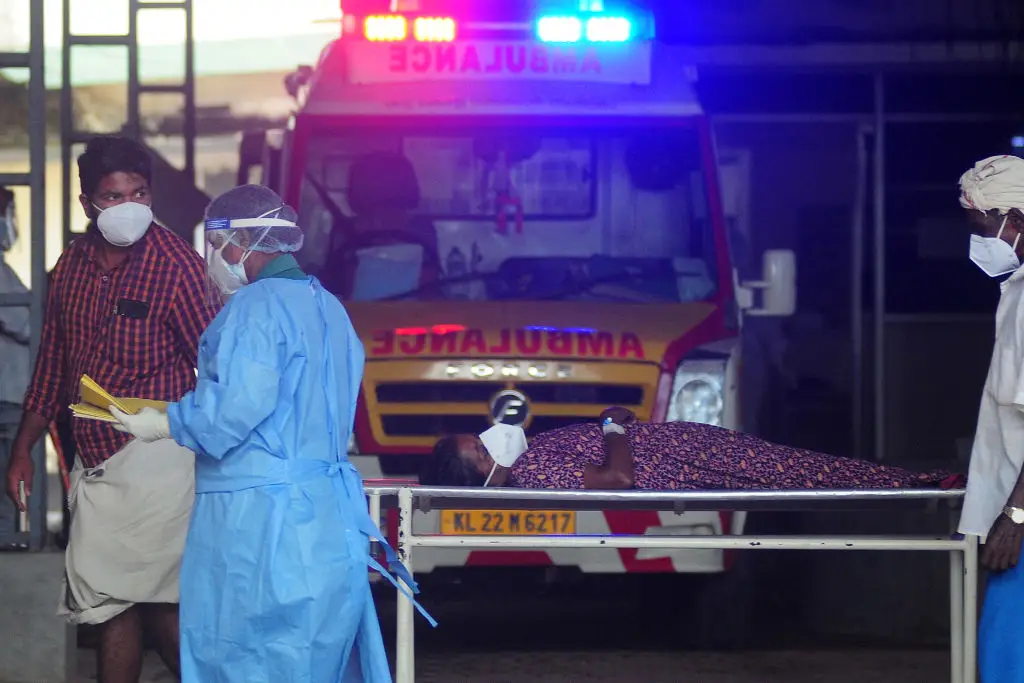
For those underestimating the Nipah virus, a September 2023 outbreak in India led to at least five infections and two deaths. A July 2024 infection saw a 14-year-old boy die, and now, at least five cases have been recorded after an apparent hospital outbreak in West Bengal.
Nipah was first discovered by an outbreak in Malaysia and Singapore in 1999, affecting pigs and humans. This was the most devastating, and with over 300 people getting sick, around 100 sadly lost their lives.
What are the symptoms of Nipah virus?
According to the Centers for Disease Control and Prevention, "Nipah is a serious, and sometimes deadly, viral disease." The CDC warns that Nipah can lead to swelling of the brain and potential death.
Symptoms last between three and 14 days and are typically displayed as fever, headache, cough, sore throat, and patients struggling to breathe. More serious cases can include dizziness, drowsiness, acute pneumonia, respiratory distress, and seizures. At this stage, the Nipah virus can lead to encephalitis (brain swelling), with some falling into a coma within 24-48 hours.
Perhaps the most concerning is that the CDC reiterates that there are currently no licensed treatments. The only treatment for the Nipah virus is rest, hydration, and the general treatment of other symptoms.
What can you do to reduce the risk of Nipah virus?
Like Asia's airports are raising awareness on the Nipah virus and introducing screening, the CDC has advice on how you can try to reduce risk. Those who live in an area where an outbreak has occurred are told to regularly wash their hands with soap and water, avoid eating raw date palm or sap that could be soiled by bats, avoid exchanging fluids with someone who is infected, and stay away from areas where bats roos. Thailand has already upped security around the country's many cave tourist attractions.
Caregivers and health professionals are said to be most at risk, which has already been highlighted by West Bengal's hospital outbreak.
When you remember that coronavirus' global mortality rate sits at around 3.4%, the fact that the Nipah virus can be as high as 75% means authorities are right to be making us aware early.