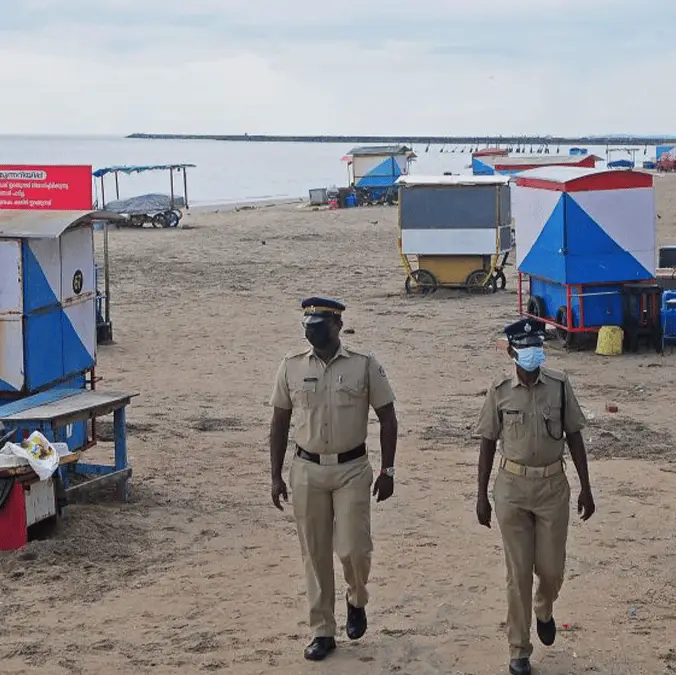
India issues important update on Nipah virus as airports increase screenings


It's fair to say that countries around the globe are a little more cautious about viruses and outbreaks since COVID-19 brought the world grinding to a halt in 2020, but with some 7,109,103 deaths reported, it was a pandemic on an unprecedented scale.
While some think the media has been overhyping a recent outbreak of the Nipah virus in India's West Bengal, the fact that it has a mortality rate of anywhere between 40% and 75% means authorities are on high alert.
We've already seen an increasing number of countries across Asia try to tighten their borders, while airports have introduced COVID-inspired screenings. The Centers for Disease Control and Prevention (CDC) warns that "Nipah is a serious, and sometimes deadly, viral disease," with Nipah virus symptoms ranging from mild ones like headache and a cough, to more serious cases involving encephalitis (brain swelling) and potential death.
When you start throwing around words like that, you can see why people might be a little on edge, even though India is trying to ease our fears.
Advert
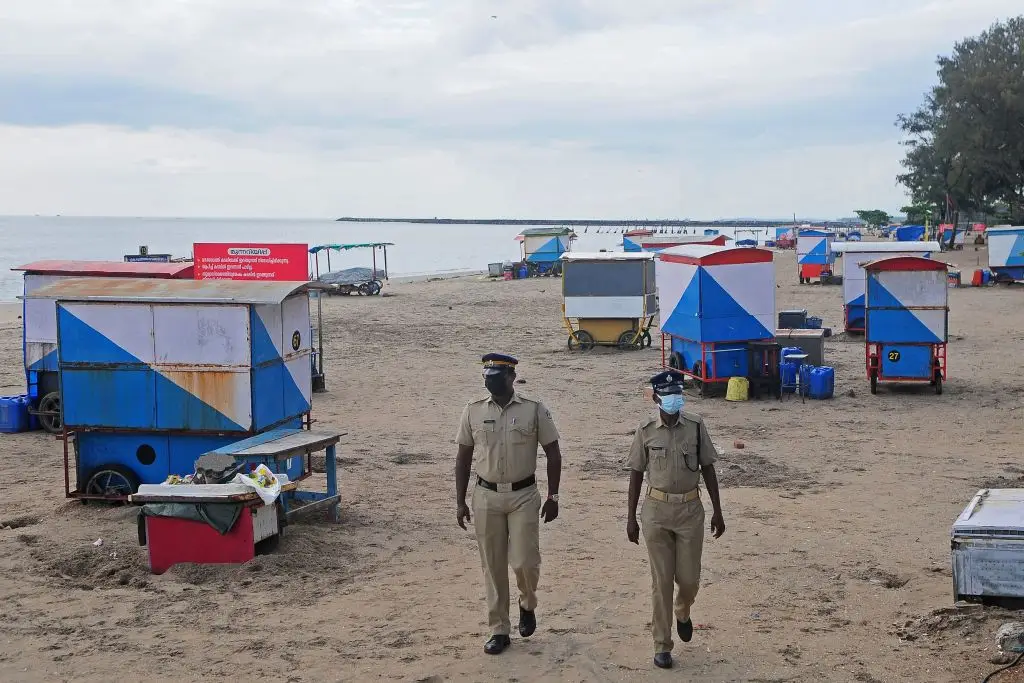
In an update from India’s Health Ministry, officials maintain that two detected cases have led to all direct contacts being quarantined and tested.
It was initially reported that there had been five positive cases of the Nipah virus, supposedly centered on a West Bengal hospital. The Health Ministry suggests this isn't the case, now adding that 196 contacts have been traced and all tested negative.
The Health Ministry stated: "The situation is under constant monitoring, and all necessary public health measures are in place."
As reported by Associated Press, India has reiterated that claims about surging cases "were speculative and incorrect."
It says, "The situation is under constant monitoring, and all necessary public health measures are in place," adding that "enhanced surveillance, laboratory testing, and field investigations" have been initiated.
This culminates in India assuring the rest of the world that it has ensured "timely containment" of the Nipah virus.
The first cases of Nipah virus infection stem back to Malaysia in 1998, with an outbreak of neurological and respiratory disease on pig farms. Nipah virus is typically spread by Pteropus bats (flying foxes), with it being transferred to the likes of pigs and horses, to humans, and then human-to-human contact.
During the first outbreak, there were 265 human cases with 108 reported deaths. This outbreak was eventually contained by the culling of over one million pigs in 1999.
Other incidents include a particularly lethal Bangladesh outbreak at the start of 2023, with 11 cases and eight deaths marking a 73% mortality rate. Most recently, India's Kerala mourned the death of a 14-year-old boy after he contracted the Nipah virus in July 2024. Kerala is one of India's most densely populated states and has reported Nipha virus infections almost every year since 2018.
Most concerning is that the Nipah virus has no known vaccine or treatment, with isolation and supportive care being the only way to tackle potential outbreaks.