
NASA issues update on 'city killer' asteroid after considering using nuclear weapons to destroy it


As if we didn’t have enough to worry about with continued threats of World War III and how nuclear war could wipe us off the face of the Earth, NASA has issued an update on a 'city killer' asteroid after it considered using nuclear weapons to destroy it.
The space agency has been keeping a close eye on an asteroid that was spotted back on December 27, 2024, by NASA's Asteroid Terrestrial-impact Last Alert System (ATLAS). Even though 2024 YR4 has been orbiting the Sun for quite some time, it was only recently detected because of its unusual path.
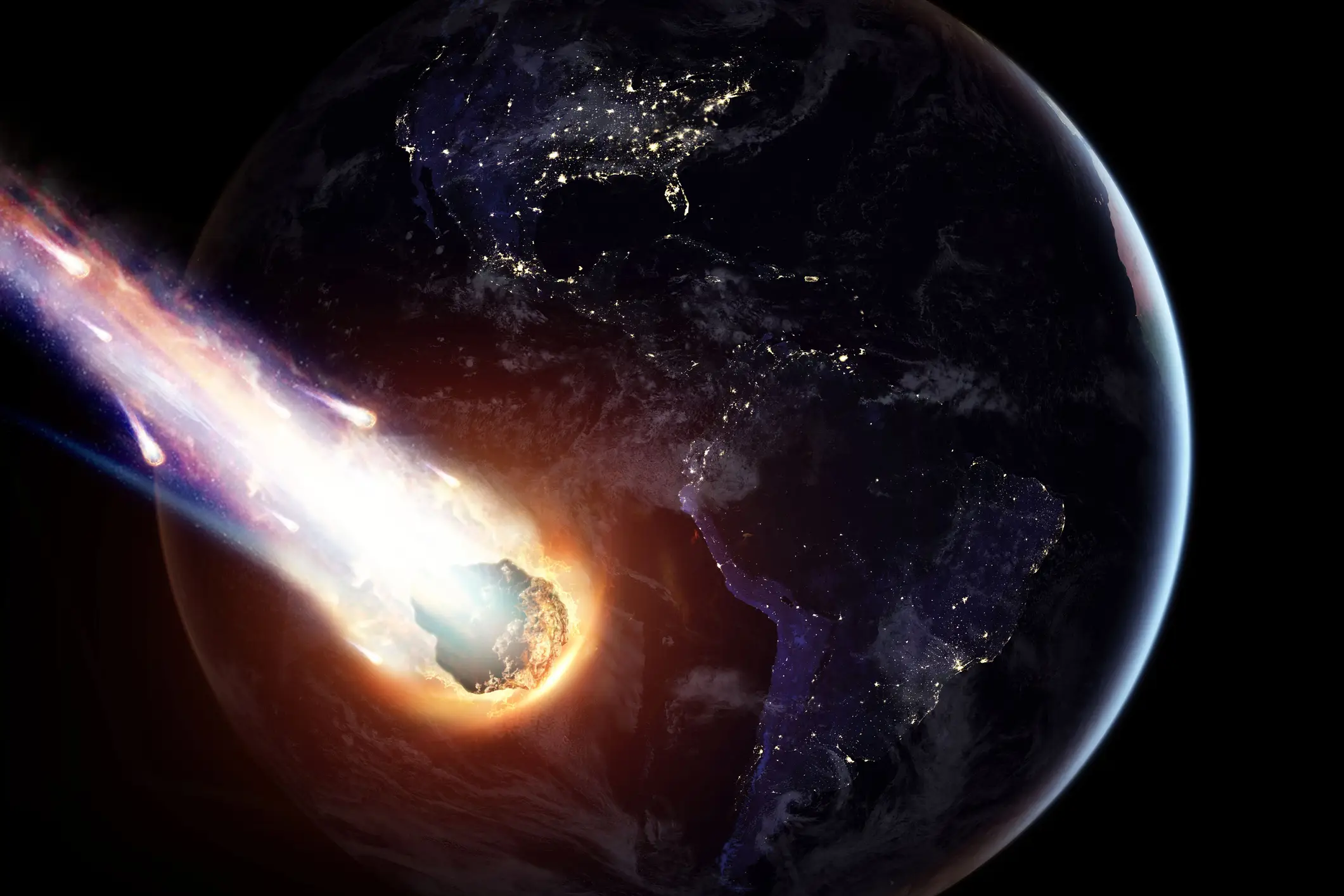
Space experts initially estimated a 1-in-83 chance that asteroid 2024 YR4 would collide with Earth in 2032. If it did, there's also a high chance it could wipe out a major city and kill millions
Advert
Although scientists later dismissed the risk of Earth impact, they continued observing the object because it could still crash into the Moon during its close flyby.
If the 'city killer' asteroid did hit the Moon at over 29,000 mph, it would trigger an explosion roughly 500 times more devastating than the Hiroshima atomic bomb. The impact could blast an estimated 10,000 tons of debris into space, potentially threatening satellites orbiting Earth or producing a brief meteor shower.
These fears can hopefully be put to rest, as NASA recently provided a major update on 2024 YR4.
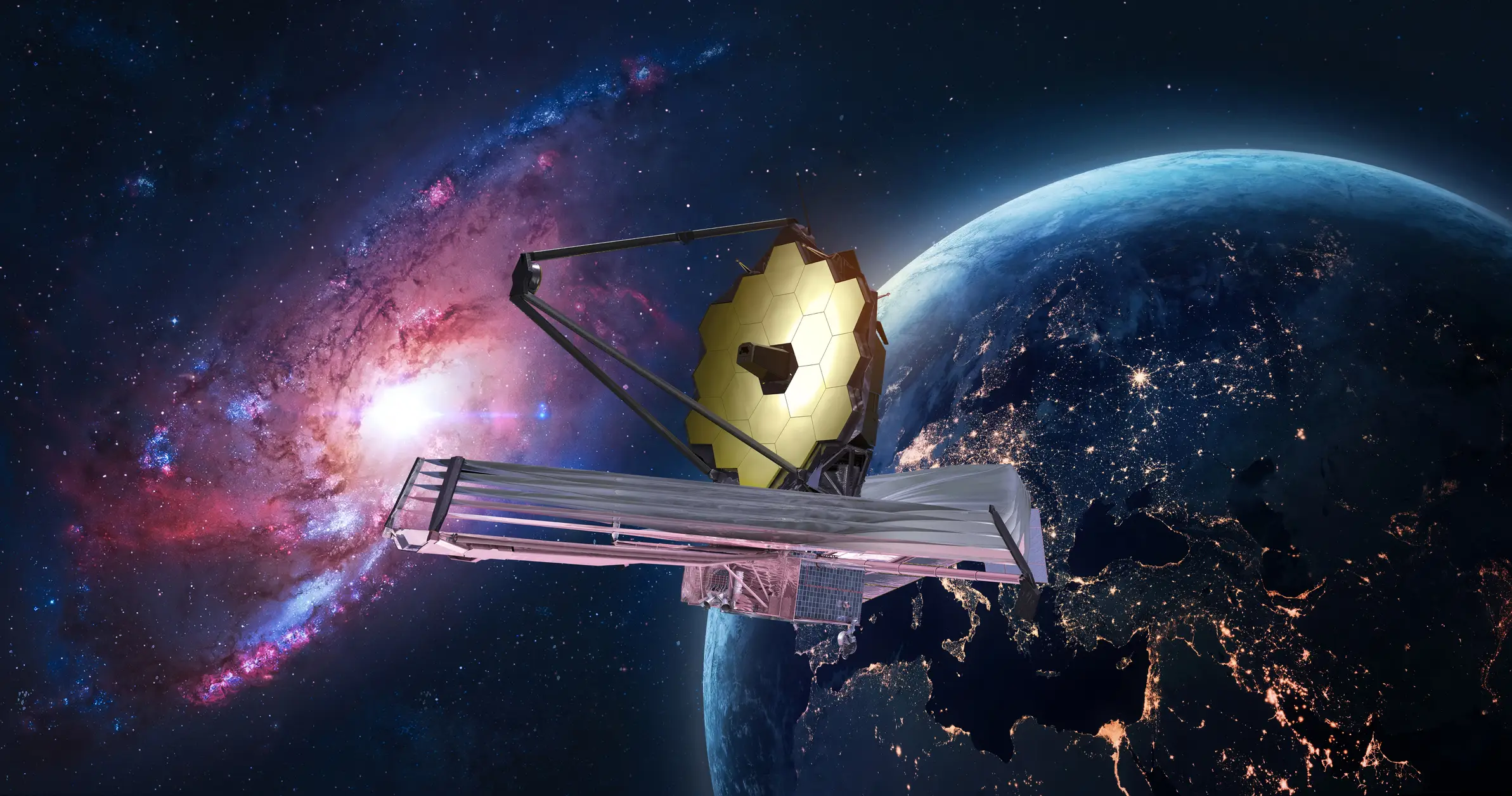
New February 2026 data gathered by the James Webb Space Telescope (JWST) allowed astronomers to calculate the asteroid's path with much greater accuracy.
According to the US agency, the updated calculations show that 2024 YR4 poses no threat to Earth or the Moon when it approaches in 2032. The asteroid is expected to pass the lunar surface safely at a distance of around 13,200 miles.
Before the updated data, researchers explored using nuclear weapons to disrupt the asteroid if its path proved dangerous and spacecraft didn't have enough time to act.
Some examined the possibility of using a nuclear device to either break it apart or modify its course.
“While no known asteroid larger than 140 meters in size has a significant chance to hit Earth for the next 100 years, only about 40 percent of those asteroids have been found to date,” NASA warned (via the Daily Mail).
TheE uropean Space Agency backed the findings by adding that there is 'enough information to rule out an Earth impact in 2032.'
Since the asteroid is reportedly too distant for further study, the assessment will remain 'unchanged' until it becomes visible again in June 2028, or if a brief observation opportunity arises with the JWST.
Phew! Now we can relax a bit.