James Webb Telescope catches sight of ‘city killer’ asteroid that scientists feared could hit Earth


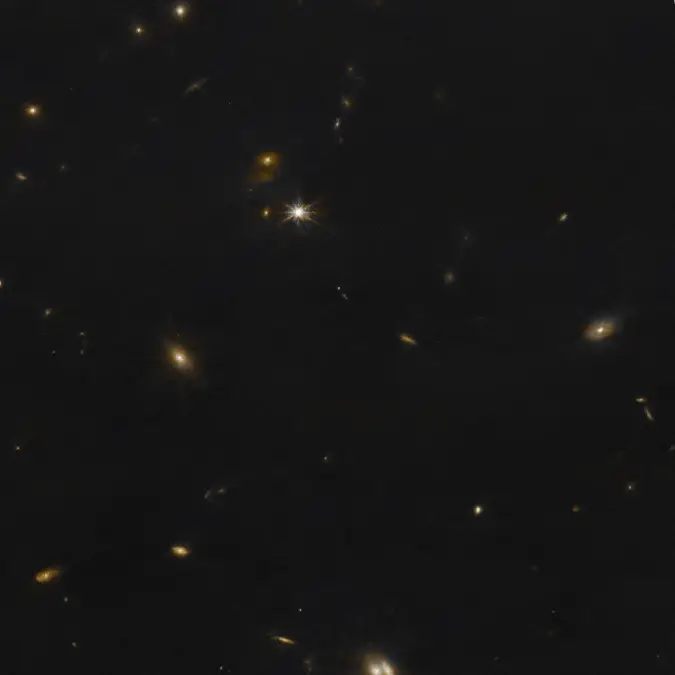
NASA's James Webb Telescope has managed to observe asteroid 2024 YR4 following the implementation of emergency measures, as scientists previously indicated that there was a chance it would hit Earth in under a decade.
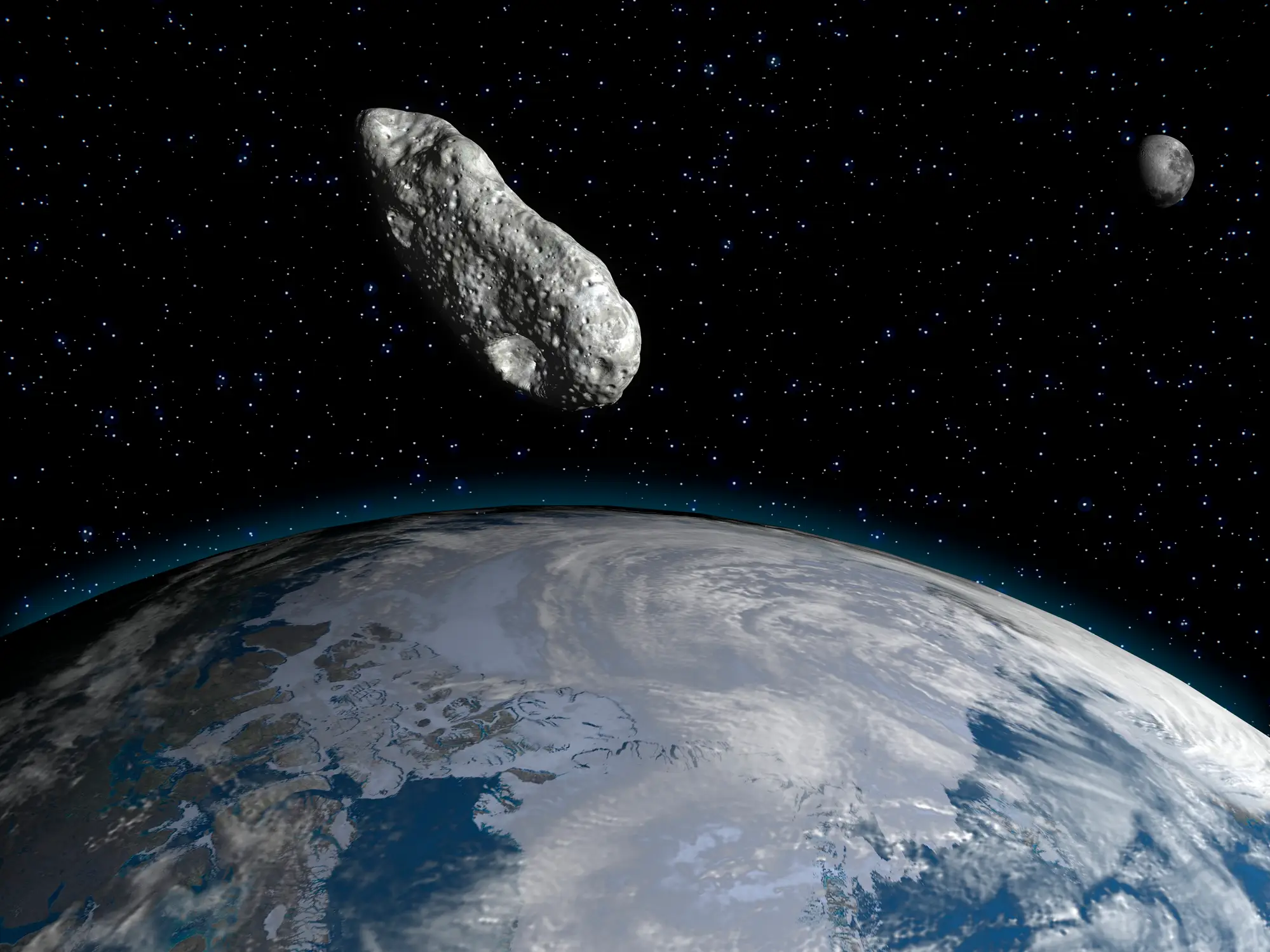
Fear began to spread around the world earlier this year when scientists discovered an asteroid around 119,718,339 miles away that was on course towards Earth.
While initial projections estimated that the asteroid, named 2024 YR4, had under a 1% chance of striking our planet, this quickly doubled as more information became available. If it was to collide with Earth its impact would be absolutely devastating, as its size and velocity would be enough to wipe out an entire city, if not more.
Advert
Engineers illustrated the exact areas that 2024 YR4 would strike if a collision did happen, and people across space agencies began to draw up emergency plans to continue studying the asteroid and potentially divert its course.
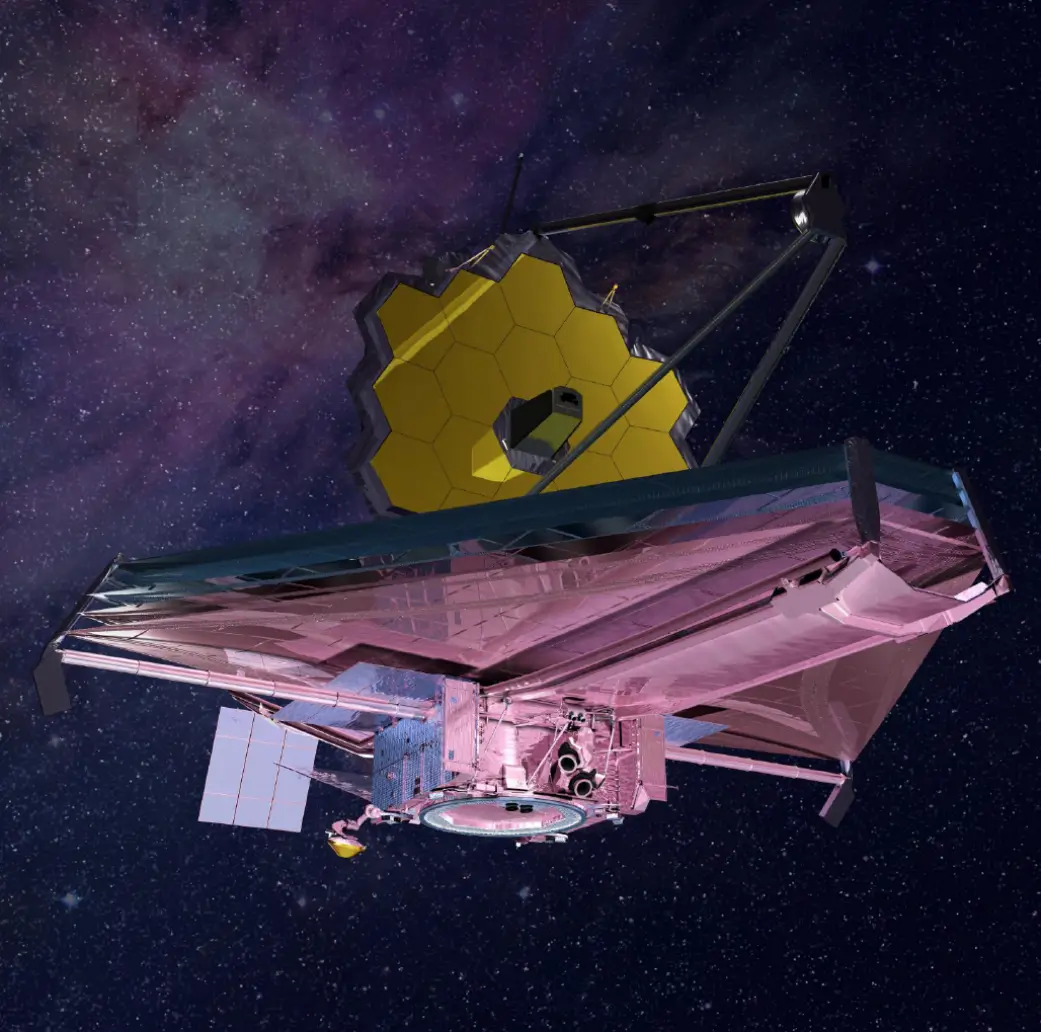
One of the major decisions that NASA decided to make was to take advantage of the James Webb Telescope, which currently is around a million miles away from Earth, as it has unique thermal imaging technology which would provide a far more accurate picture of the asteroid's path and size than the light-based systems that Earth-bound telescopes were using.
Thankfully, this decision has brought incredibly good news, as analysis from the James Webb Telescope has reduced the chance of 2024 YR4 colliding with Earth to zero, evading all previous fears, as reported by Futurism.
The Webb telescope has now completed its first set of scans, and it won't be until May that the next (and final) analysis will be completed. Shortly after 2024 YR4 will then disappear from view until around 2028, which is why the urgent use of the telescope was warranted.
NASA have even released footage of the asteroid traveling at great speed through space, and news of a new potential target has brought great fascination within the scientific community, as it could produce a once-in-a-lifetime event.
"While we are confident that 2024 YR4 will not hit Earth in 2032, there is still great value in making these observations and analyzing the results," Andy Rivkin, principal investigator of James Webb Telescope's Director's Discretionary Time program, explains to Phys.org.
"We expect more possible impactors to be found in coming years as more sensitive asteroid search programs begin operation [...] Understanding the best ways to use it and how to get the most out of its data is something we can do now with 2024 YR4. This will help us determine the best approach to use during a more urgent observing program should another asteroid pose a potential impact threat in the future."
So, even though the fears surrounding 2024 YR4 were 'unwarranted', the use of the James Webb Telescope and steps taken by scientists will prove to be excellent practice for any future threats that will almost definitely appear.
This sentiment was also echoed by one famous physicist, who urged space agencies to come up with an emergency solution that would also prove useful for dealing with asteroids like 2024 YR4 in the future.
NASA has already tested missions like this with their Double Asteroid Redirection Test (DART) program, which involved firing a rocket into an asteroid in order to alter its path, although many pointed out that this would have not worked with 2024 YR4 due to the asteroid's smaller size, and it could have actually ended up increasing the danger level.