Bus-sized asteroid passes closer to Earth than the Moon today and NASA explains the risk


An asteroid measuring roughly the size of a bus is passing by our planet today, leaving many wondering about the risk of collision as it's officially closer than the distance between Earth and the Moon.
This asteroid, named 2027 SA8, has been classified as a Near-Earth Object (NEO) by NASA, and safely made its closest pass by our planet today after only recently being discovered.
Given the number of recent asteroids that have threatened to collide with our planet, it was only natural that people would fear for the worst and worry that a late change could see its course diverted towards us, yet thankfully it has moved beyond our planet without a hitch.
That didn't stop it from reaching a distance closer than the Moon, however, as its 'Lunar Distance' was officially 0.99 LD, measuring roughly 236,000 miles (379,800 kilometers) from our planet, which is marginally closer than the 238,855 miles (384,400 kilometers) currently between Earth and the Moon.
How dangerous was 2027 SA8?
While NASA and space experts remained confident that there was categorically no chance of this asteroid hitting our planet on its projected course – a calculation that proved to be correct in the end – it wouldn't have even posed a danger if it was headed right towards us.
Advert
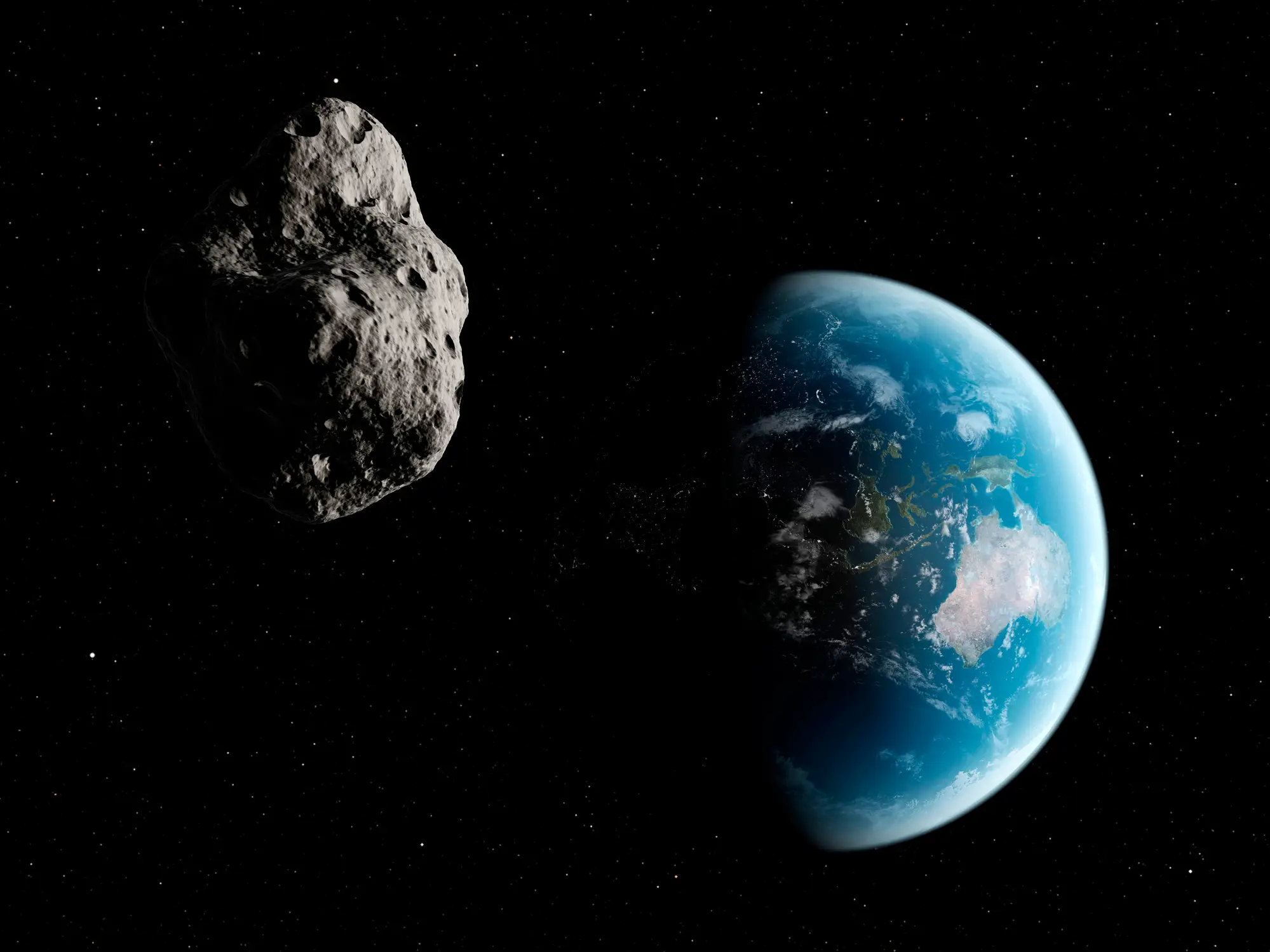
Given its size – which sits at around 21 feet, or 6 to 7 meters – it would have avoided the classification of a Potentially Hazardous Asteroid (PHA) and would have burned up within our atmosphere, posing no threat to the ground below.
If anything the biggest frustration came for astrophotographers, as they were potentially unable to capture the close pass by as the proximity of 2027 SA8 between the Moon and Jupiter in the sky would make capturing it challenging at best.
What would happen if 2027 SA8 did hit our planet?
Disregarding the fact that 2026 SA8 would likely burn up in our atmosphere, disintegrating into nothingness, it would be fascinating to know quite how devastating a potential collision could be.
Given the comparatively small size and approximated travel speed of around 15,000 miles per hour (23,800 kilometers per hour), asteroid impact simulator Neal.Fun estimates that this would trigger an explosion roughly 8.1 miles above ground, with an impact equating to 4 kilotons of TNT.
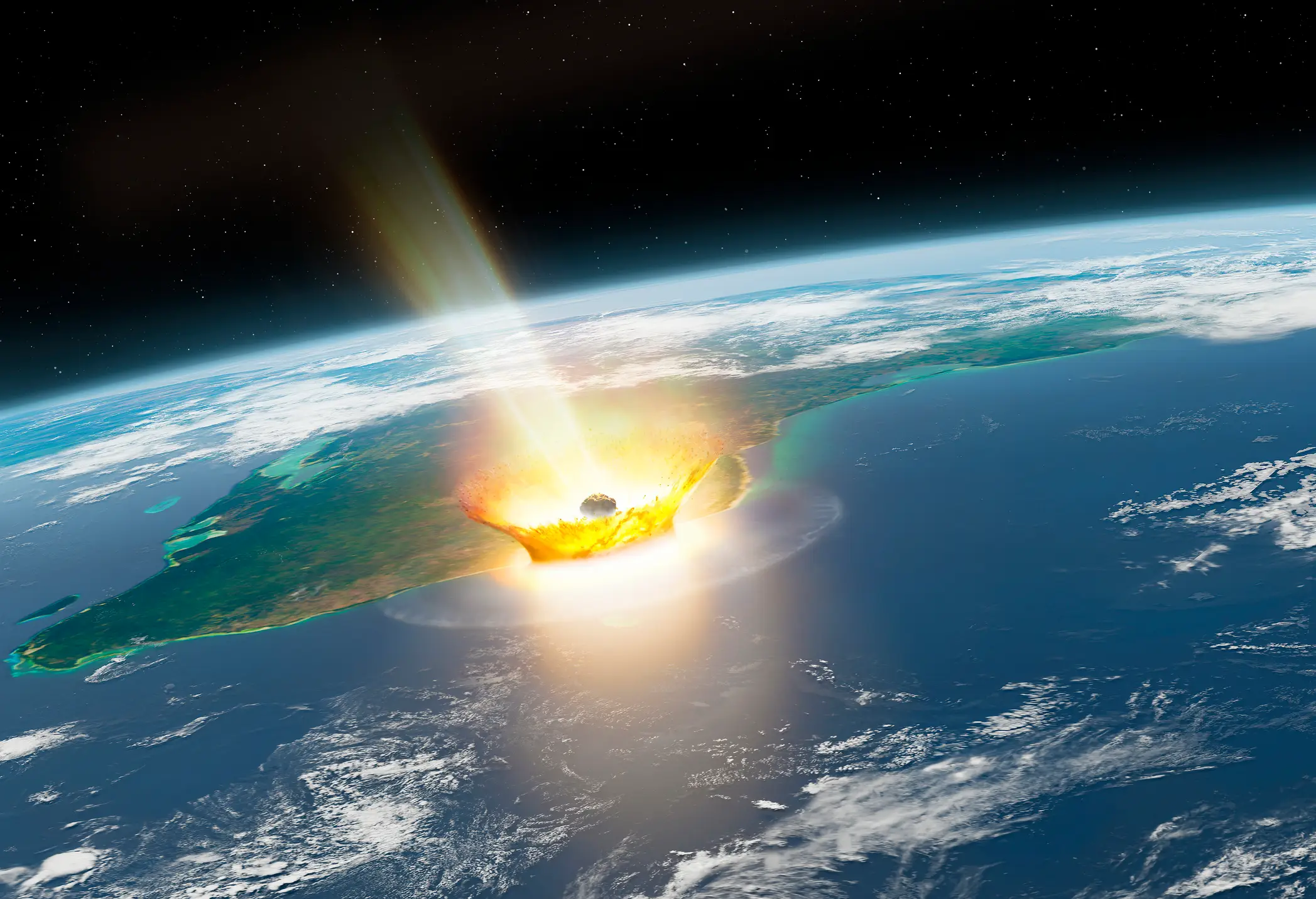
While this would potentially cause damage if it struck a populated metropolitan area, it's estimated that an impact of this size happens roughly every 2 years, making it not necessarily out of the ordinary.
It wouldn't create any form of visible crater due to its explosion above ground, and given the same speed, it would take an asteroid stretching just above 100 ft to cause any kind of impact on the ground.