Inside NASA's $10 billion Moon Base plan as it begins recruiting people to live and work there


NASA isn't just reaching for the stars; it's shooting beyond them as it hopes to call the Moon home in the next few years.
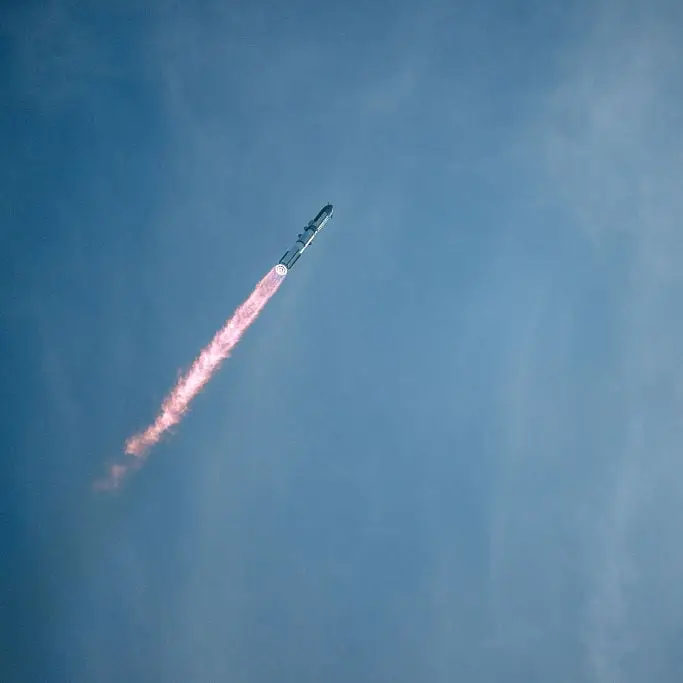
It's been a whopping 54 years since we last set foot on the Moon, and while April 2026's Artemis II mission did a historic flyby to the dark side of the Moon, we're not expected to actually land until Artemis IV's planned 2028 launch.
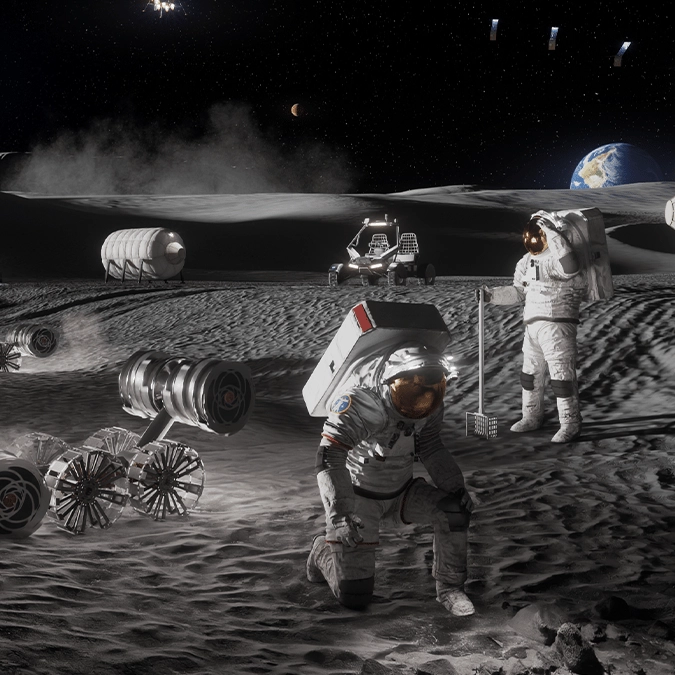
In the aftermath of Artemis II, the White House issued an ominous message reiterating that "America will never give up the Moon again." While President Donald Trump's dystopian Star Wars and Starship Trooper-inspired futures will hopefully remain AI imaginations, NASA has unveiled actual concept art for its potential permanent Moon base.
What does NASA's Moon Base involve?
With its own landing page, NASA has explained how the Moon Base will be humanity's first lunar outpost, serving as "a place where astronauts will live, work, and explore near the Moon’s South Pole."
Advert
NASA and its various partners are planning a series of crewed and uncrewed missions to build the infrastructure needed to support mankind on the surface of the Moon.
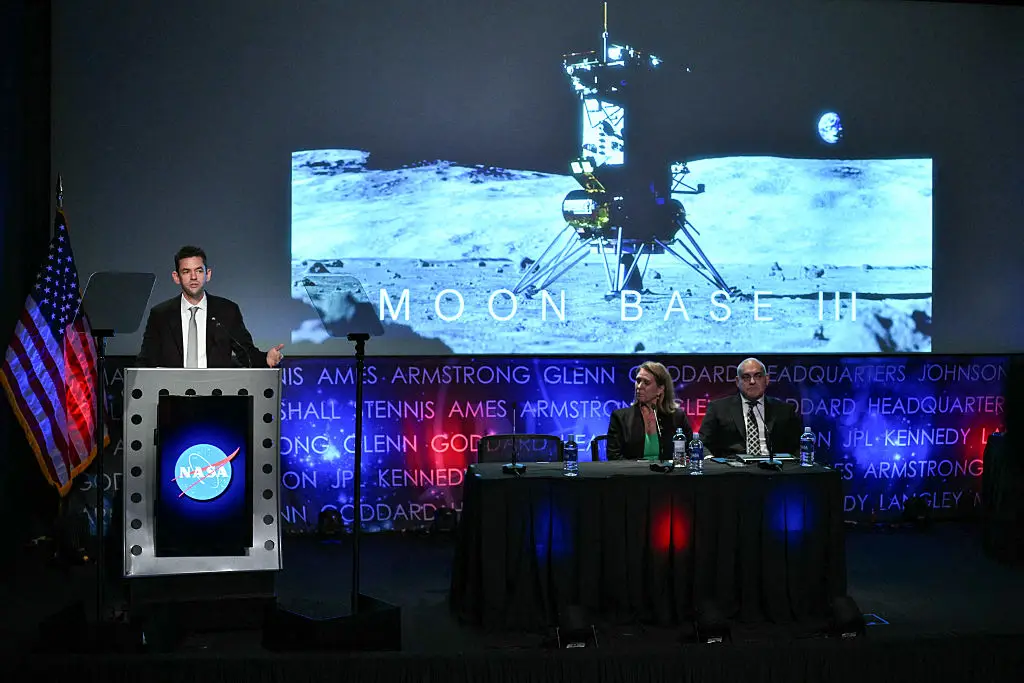
A November 7, 2026, announcement confirmed a suite of awards and mission updates about NASA's Moon Base ambitions. NASA Administrator Jared Isaacman announced the 'Ignition' initiative in March 2026, including a roadmap on how the agency would establish a permanent presence on the Moon.
Carlos García-Galán, manager, Moon Base Program, cheered the progress that's been made since Ignition was announced, adding: "We’ve consolidated numerous efforts into a streamlined program, evolving our human exploration architecture into an iterative and sustained campaign for Moon Base technology development and implementation.
“Most importantly, we’ve taken action, awarding new contracts and forging new partnerships to accelerate development.”
The base near the lunar South Pole is supposed to "strengthen American leadership in space, unlock scientific discovery, drive innovation with industry and international collaborators, and prepare humanity for missions to Mars."
We know that Elon Musk recently dialled back his plans to populate Mars as SpaceX focuses its efforts on the Moon, but with the latest announcement, NASA confirmed up to $10 billion in contracts. Companies including Musk's SpaceX and Jeff Bezos' Blue Origin will help launch and deliver cargo to the Moon as part of the Commercial Lunar Payload Services (CLPS) framework.
NASA also announced up to $1.3 billion in funding to assist the agency's Venture-Class Acquisition of Dedicated and Rideshare (VADR) program, as well as a nuclear-powered rover that's dubbed PROMISE.
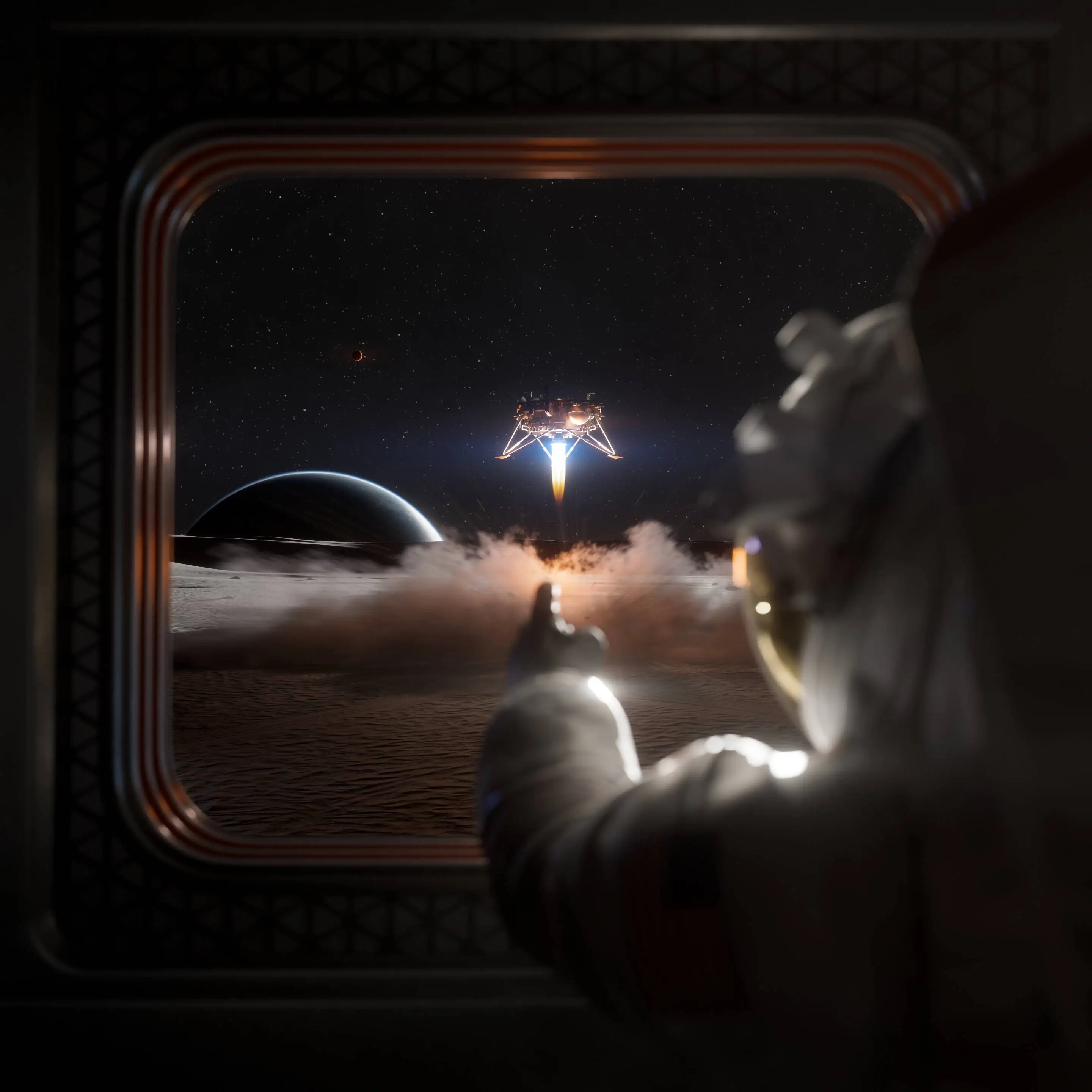
There's an impressive gallery of Moon Base renderings on the NASA site, showing off a potential future of astronauts waving to new arrivals, the Japan Aerospace Exploration Agency's pressurized rover exploring the surface of the Moon, a lunar habitation module, a better look at the planned MoonFall mission, and more.
Of course, whether the real deal looks anything like this and what the timeline looks like is an altogether different matter. NASA have also recently opened applications for students to submit designs for the Moon Base.
When could NASA's Moon Base actually welcome astronauts?
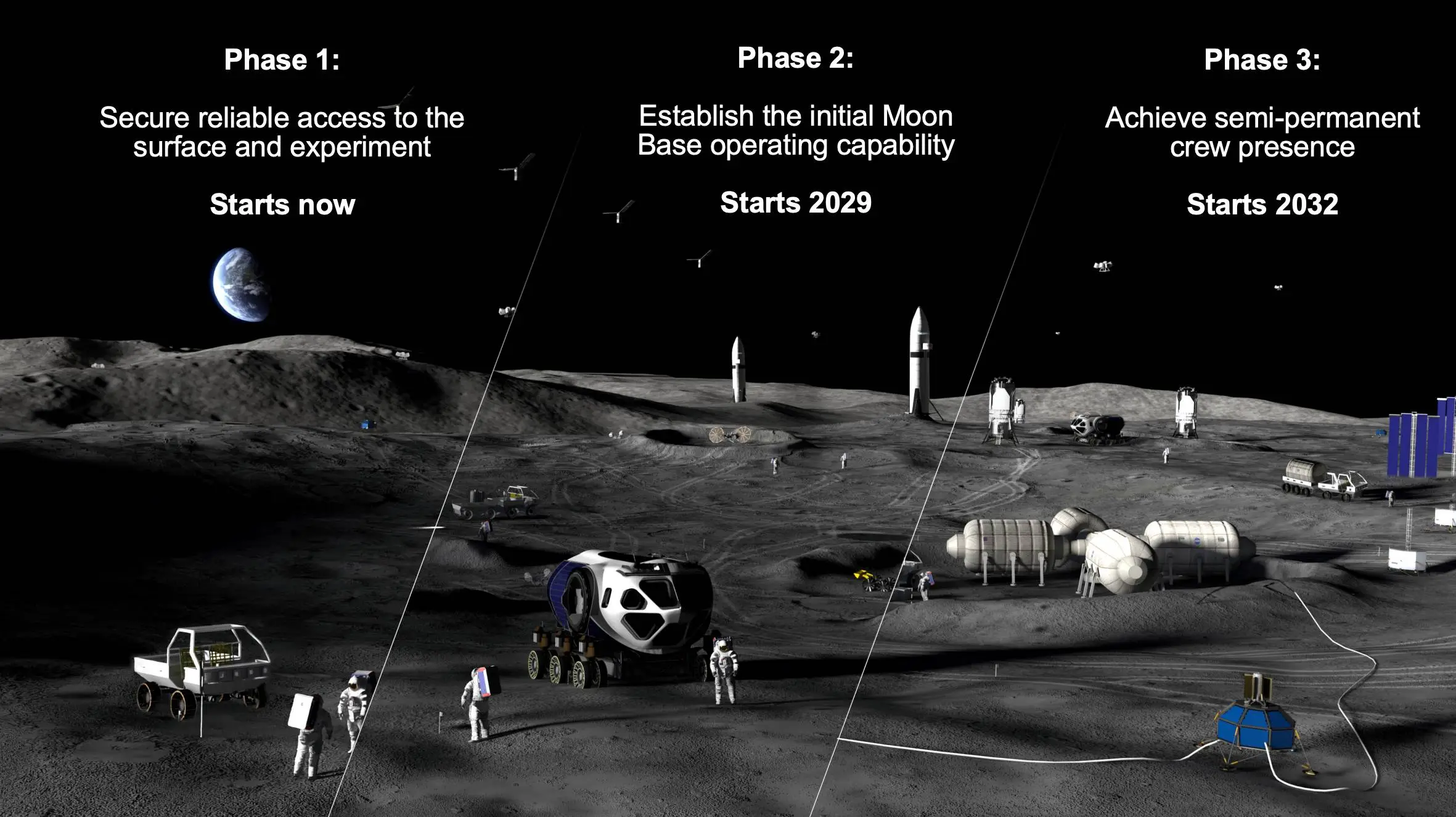
We know NASA is already recruiting its next generation of astronauts, as those with the correct credentials are encouraged to apply. But with only 32 astronauts currently in active rotation, the agency might have to up its numbers if these renderings are going to become a reality anytime soon.
NASA looks to announce its new class toward the end of 2027, but when could the Moon Base actually be operational?
As part of Ignition, Isaacman announced a major restructuring of the Artemis program, putting an end to the planned modular space station known as Lunar Gateway, which was due to sit in a near-rectilinear halo orbit around the Moon.
Instead, there's a three-phase roadmap extending into the mid-2030s. We're currently in the midst of the first phase, involving robotic missions to explore the lunar South Pole and gather knowledge for future development.
Following Artemis IV, commercial landers, the PROMISE rover, and MoonFall hopper drones are supposed to head to the Moon.
A transition to permanent ops will hopefully take place in 2029, deploying heavy cargo landers, Lunar Terrain Vehicles, the JAXA pressurized rover, and early nuclear power units.
Perhaps the biggest change comes in 2032, when NASA hopes to "achieve a semi-permanent crew presence."
Expanding on what this involves, NASA reiterates that 2032 is when Moon Base's foundational infrastructure should be in place: "NASA will begin assembling a permanent lunar outpost where astronauts can live and work for extended periods. Habitats, power systems, communications, transportation, and other critical capabilities will come together to support an enduring human presence near the Moon’s South Pole."
Looking to the future, NASA is adamant that as the Moon Base continues to evolve, "it will enable increasingly ambitious scientific research, technology demonstrations, and exploration, while helping prepare humanity for future journeys deeper into the solar system."
Put this one in your bookmarks and come back in 2032 to see if we're anywhere near achieving what those renders show.