Exact criteria to become an astronaut as NASA opens up applications to the public


As NASA opens astronaut applications for the first time in two years, the agency is looking for new recruits to join the Artemis program. If you think you could potentially call the surface of the Moon your new home, there’s also a tempting salary to lure you to the cosmos.
Following the historic April 2026 flyby of the Moon with Artemis II, Artemis III will prepare us for Artemis IV's planned lunar landing, putting us back on the surface for the first time since 1972.
The White House has reiterated that America will never give up the Moon again," and as part of this, there are grand plans to establish a permanent base on the Moon.
NASA has launched a November 7 recruitment drive, looking for the next generation of American astronauts who will "train to operate on the lunar surface, live and work beyond Earth, and take on missions that will push the boundaries of human exploration farther than ever before."
Advert
Anyone who wants to join the astronaut corps has until 1:59 p.m. EST on Thursday, December 3, to apply via the following link. That's all well and good thinking you've got the chops to be the next Buzz Aldrin, but what do you actually need to shoot for the Moon?
What requirements are there to be a NASA astronaut?
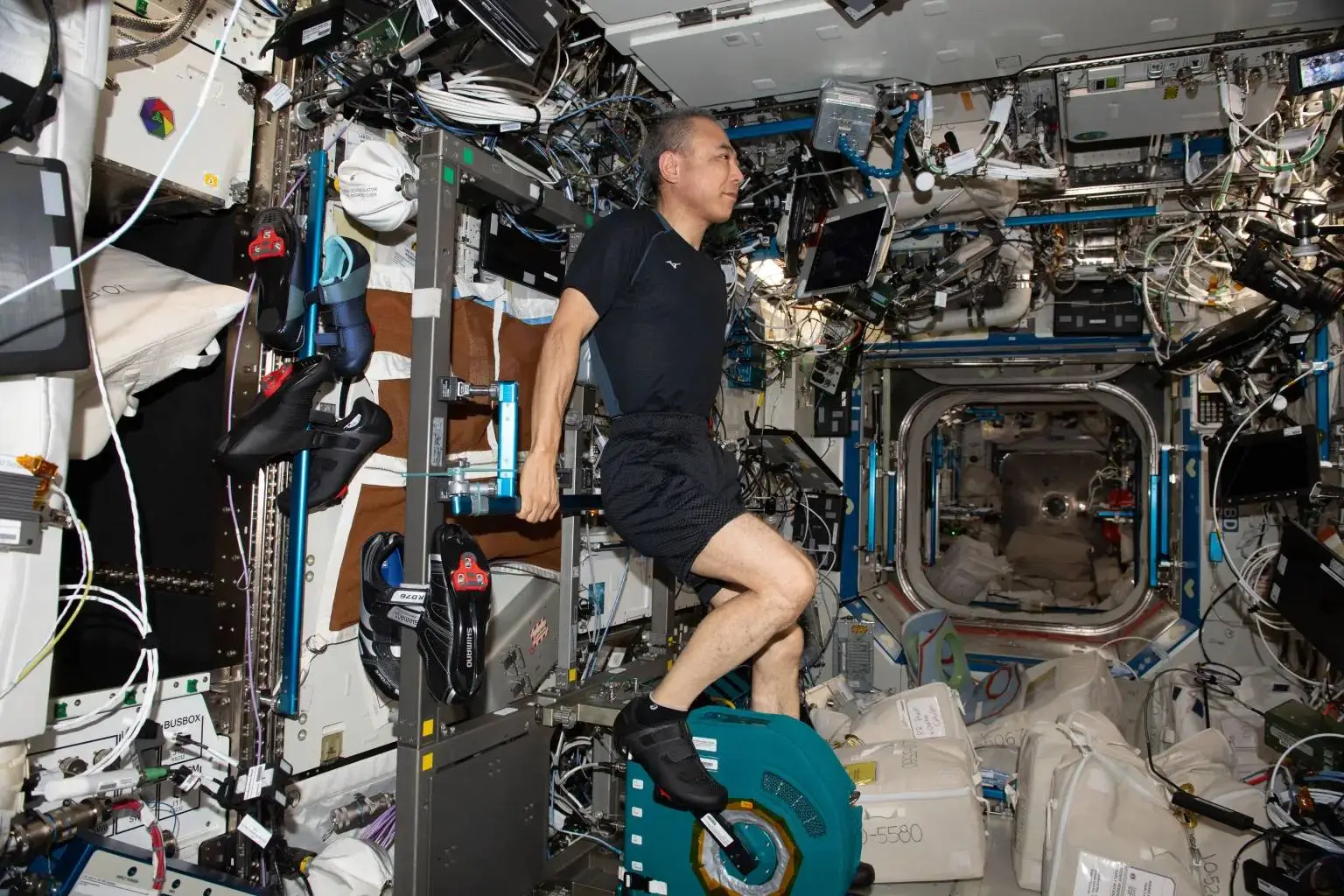
Although many little kids have the dream of being an astronaut, making the list in 2026 takes a lot more than just the right attitude. The current requirements to apply as a NASA astronaut include being a U.S. citizen and having a Master's degree in a STEM (Science, Technology, Engineering, and Mathematics). Candidates also need at least three years of relevant professional experience after completing their qualifying degree, have to pass NASA's grueling long-duration astronaut flight physical exam, and must demonstrate personal qualities of leadership, teamwork, and communication skills.
There are potential high-level alternatives to a Master's degree, with people encouraged to apply if they have at least two years of experience in a doctoral study in an appropriate technical field, have completed a medical degree (MD, DO, PA, DNP, etc), and have completed or are currently enrolled in a nationally recognised test pilot school programme.
It's reiterated that if test pilot school is your only advanced technical qualification, you also need a STEM bachelor's degree.
If all of that wasn't enough, you need three years of practical experience. For pilots, this includes 750 hours as pilot in command of a high-performance jet, 1,500 hours (750 as pilot in command) of other fixed-wing aircraft, or 1,000 hours (300 as pilot in command) of a rotary-wing aircraft.
For those who've made it through all of the above without being exhausted, there's then NASA's long-duration astronaut flight physical that involves you needing 20/20 vision in each eye, a sitting blood pressure that doesn't exceed 140/90 mmHg, being able to swim three laps in a flight suit, bone density scans, mental health and behavioural studies, and more.
Don't let any of the above put you off, and for those who make it through the first stage, you're typically invited to a multi-phase selection process at Johnson Space Center in Houston.
How many active astronauts does NASA currently have?
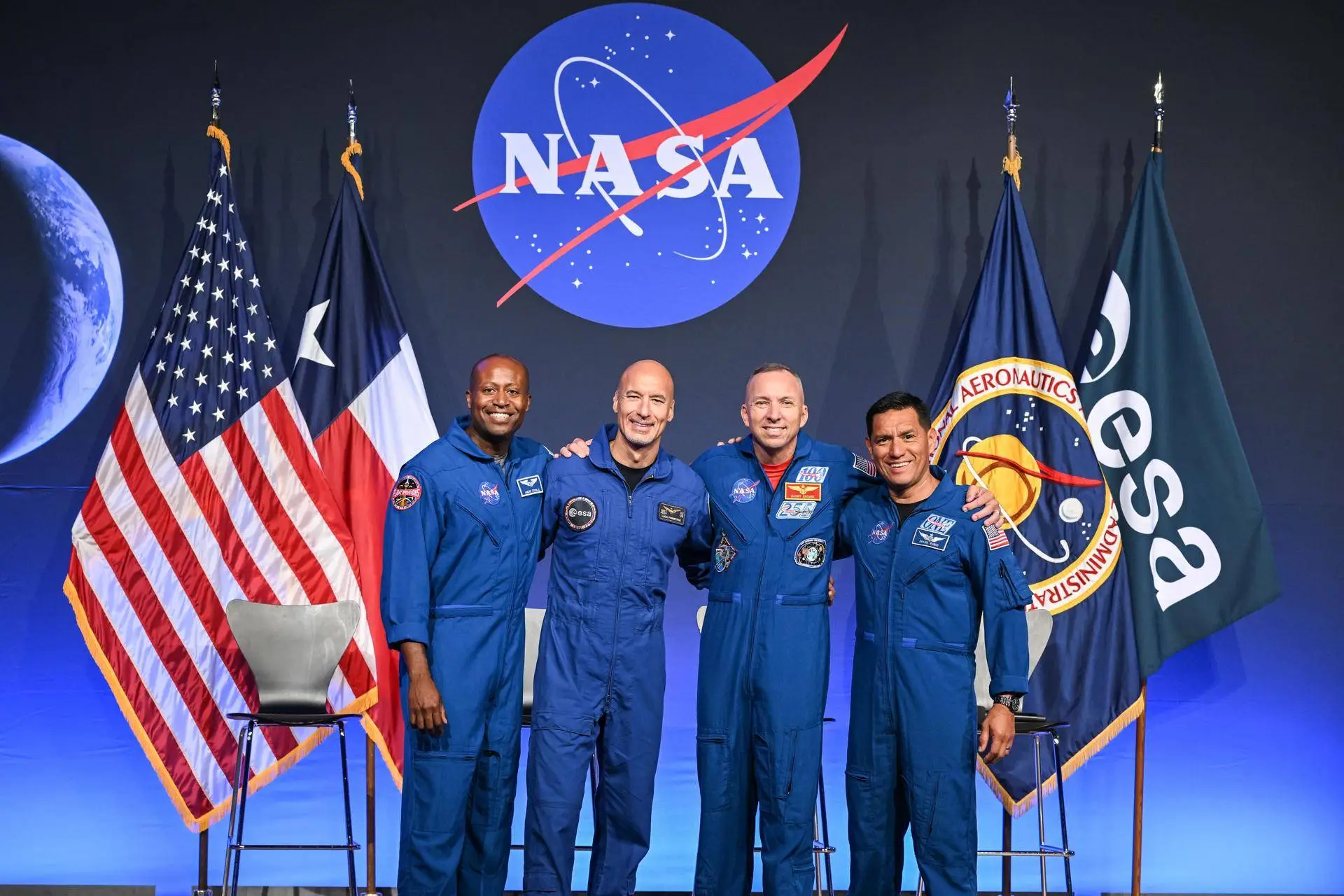
Back when NASA selected its first group of astronauts in 1959, 500 people were whittled down to just seven. Those who applied only needed the relatively simplistic requirements of jet aircraft flight experience, engineering training, and a height below 5 feet 11 inches.
As the years went on and civilians were even allowed to apply, 1964 saw more of a focus on academic qualifications. Even though you might associate astronauts with being a largely male demographic, NASA was proud that 2013's class was 50% men and 50% women.
The current crop of active astronauts stands at 32 who are eligible for flight assignments, with NASA looking to expand its roster. It's important to note the agency also has nine 'management astronauts' who are no longer available for flight assignments, 10 candidates who are currently in training, and 347 former astronauts or payload specialists. The group of 347 includes those who've left NASA or passed away, meaning a relatively small number of people have had the honor of entering the history books.
Having the potential future of America resting on the shoulders of just 32 people is quite something, so it's no surprise NASA is looking to up those numbers.
Successful candidates from the latest selection process are expected to be announced as the final class toward the end of 2027, being sent straight into two years of extensive training before blasting off to the Moon.