
Why humanity hasn't been to the Moon in 54 years as Artemis program aims 2027 landing


In 1969, Neil Armstrong and Buzz Aldrin did something no human being had ever done before.
They stepped out onto the surface of the Moon and planted the American flag in what is still one of the most defining moments in human history.
Across the years, we've seen astronauts explore space with continual trips to the International Space Station, but the answer to why we haven't been back to the Moon yet is a curious one.
Why haven't we been back to the Moon in over 50 years?
Former NASA Administrator Jim Bridenstine has been very candid about the real reason humanity stalled on lunar exploration. "If it wasn't for the political risk, we would be on the moon right now," he shared, adding that: "In fact, we would probably be on Mars."
When it comes down to it, it seems preparations were simply blocked by time and money.
Advert
NASA is no longer the only player in the game either. Elon Musk's SpaceX has thrown its hat into the ring, with ambitions that stretch well beyond the Moon over to the Red Planet.
But fortunately for NASA, that's about to change if all goes well with the Artemis programme.
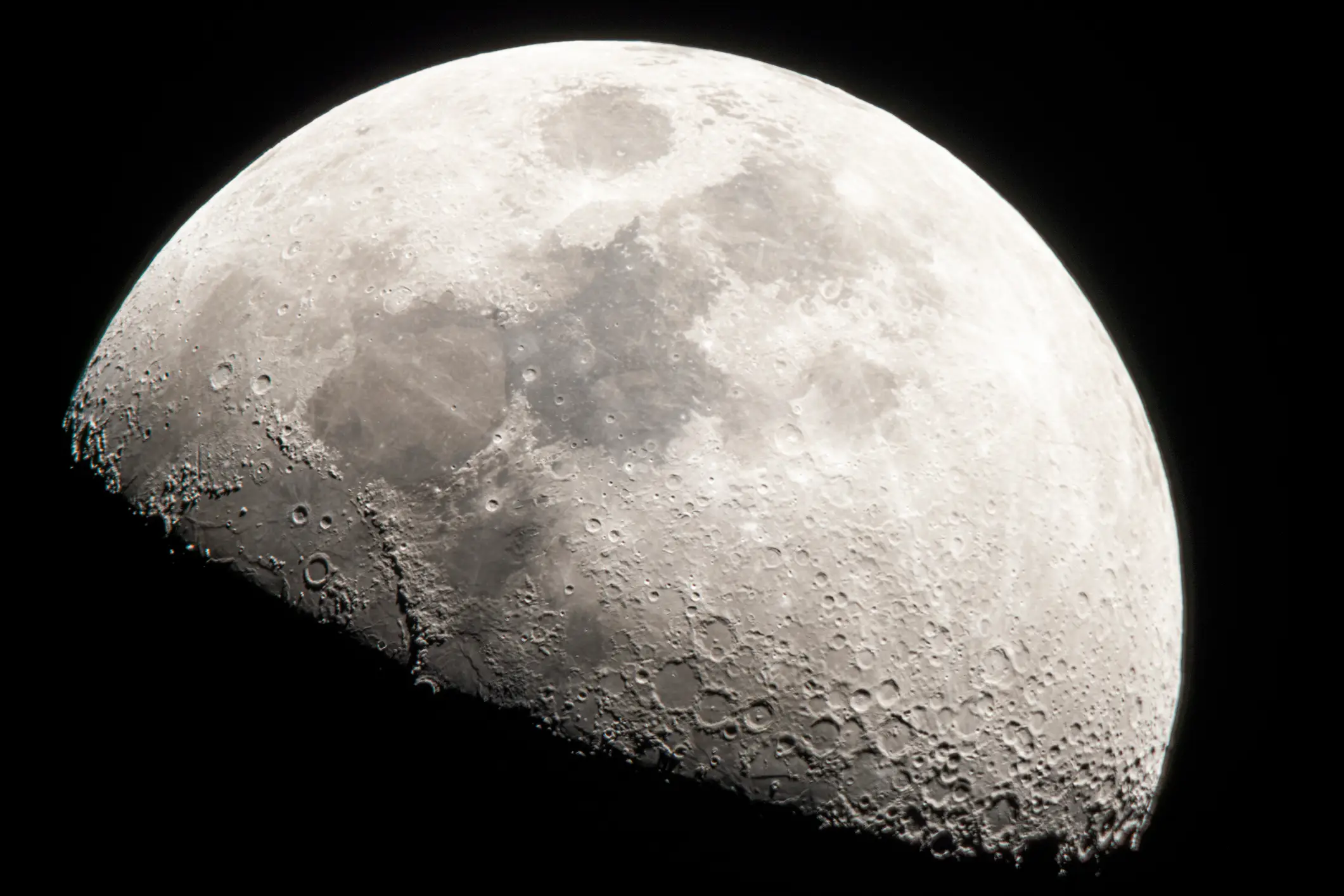
What is the Artemis programme?
NASA's Artemis programme is the closest attempt to get a space crew back to the Moon since Apollo 17 touched down in 1972.
Compared to the Apollo mission, which accomplished putting footprints on the Moon, NASA wants to create the infrastructure that will allow astronauts to live and work at a lunar base. But the road to that achievement has been anything but smooth.
President Donald Trump previously requested an additional $1.6bn in funding to return astronauts to the Moon by 2024, but NASA pushed this date back to mid 2026.
What will Artemis II do?
Artemis II is a planned crewed lunar flyby scheduled to launch on 1 April 2026 at 6:24pm ET.
However, the original schedule was repeatedly delayed for months due to heat-shield and spacecraft issues, and weather-related delays.
Counting down the days until launch, NASA astronauts Reid Wiseman, Victor Glover and Christina Koch, alongside Canadian Space Agency astronaut Jeremy Hansen will embark on a ten-day journey into space. Rather than landing on the lunar surface, the mission is expected to break the record for the farthest distance from Earth any human has ever travelled, a record currently held by Apollo 13.
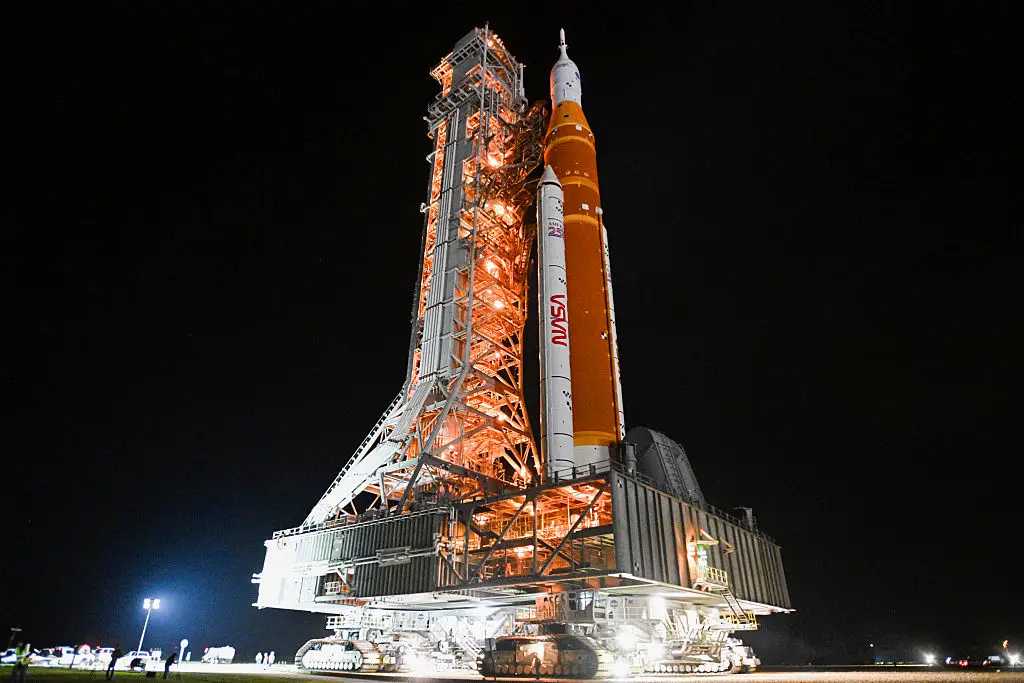
“They’re going at least 5,000 nautical miles (around 5753 miles) past the Moon, which is much higher than previous missions have gone,” Artemis II flight director, Jeff Radigan, explained last September.
What will Artemis III do?
According to NASA, Artemis III has been redesigned as a 'demonstration mission' in low Earth orbit, which is now planned for mid-2027.
The mission will reportedly test rendezvous and docking capabilities between the Orion spacecraft and commercial lunar landers from SpaceX and Blue Origin that will ultimately be needed to put astronauts back on the Moon's surface.
“That means the landers that are being developed are designed to remain for longer than a day. They’re meant to be a part of a bigger architecture or system that will eventually have habitats on the moon,” Les Johnson, a former NASA chief technologist, said, as per CNN.
What will Artemis IV do?
The next ambitious stage of the program is scheduled for 2028 and is described as 'humanity's return to the lunar surface,' with the potential for another mission as early as later that same year. Two crew members will descend to the surface and spend around a week near the South Pole of the Moon for scientific study, NASA confirmed.