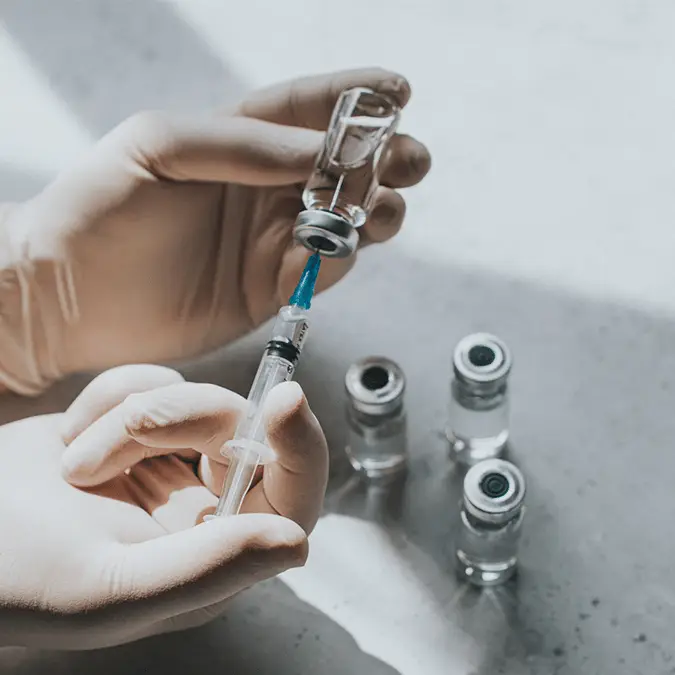
Personalized 'first of its kind' vaccine offers new hope against aggressive cancer type


The race to develop revolutionary cancer treatments is moving fast.
While some experts hope artificial intelligence can one day 'cure' all the world's diseases, other scientists are working on a so-called super vaccine that could one day offer immunity against multiple cancer types.
Meanwhile, one innovative cancer expert developed an entirely new way of taking vaccines in the form of cold beer.
Now, a breakthrough from a different angle is offering hope to patients facing one of the deadliest diagnoses in medicine.
Advert
A personalised vaccine developed for glioblastoma (the most aggressive form of brain cancer) has shown striking results in an early clinical trial, with most participants surviving at least two years after diagnosis.
That is roughly double the typical survival time for a disease that currently kills most patients within 12 to 18 months, even after surgery, chemotherapy, and radiation.
Glioblastoma affects around 12,000 Americans every year.
It originates in the brain's glial cells and is widely regarded as one of the hardest cancers to treat, largely because it is capable of hiding from the immune system and avoiding detection.
Developed by Geneos Therapeutics and trialled by scientists at Washington University in St Louis, the vaccine works by taking RNA from a patient's own tumour and identifying proteins that are unique to their specific cancer.
Those proteins, known as antigens, are then used to create a personalised vaccine that effectively trains the immune system to recognise and destroy cells that carry them.
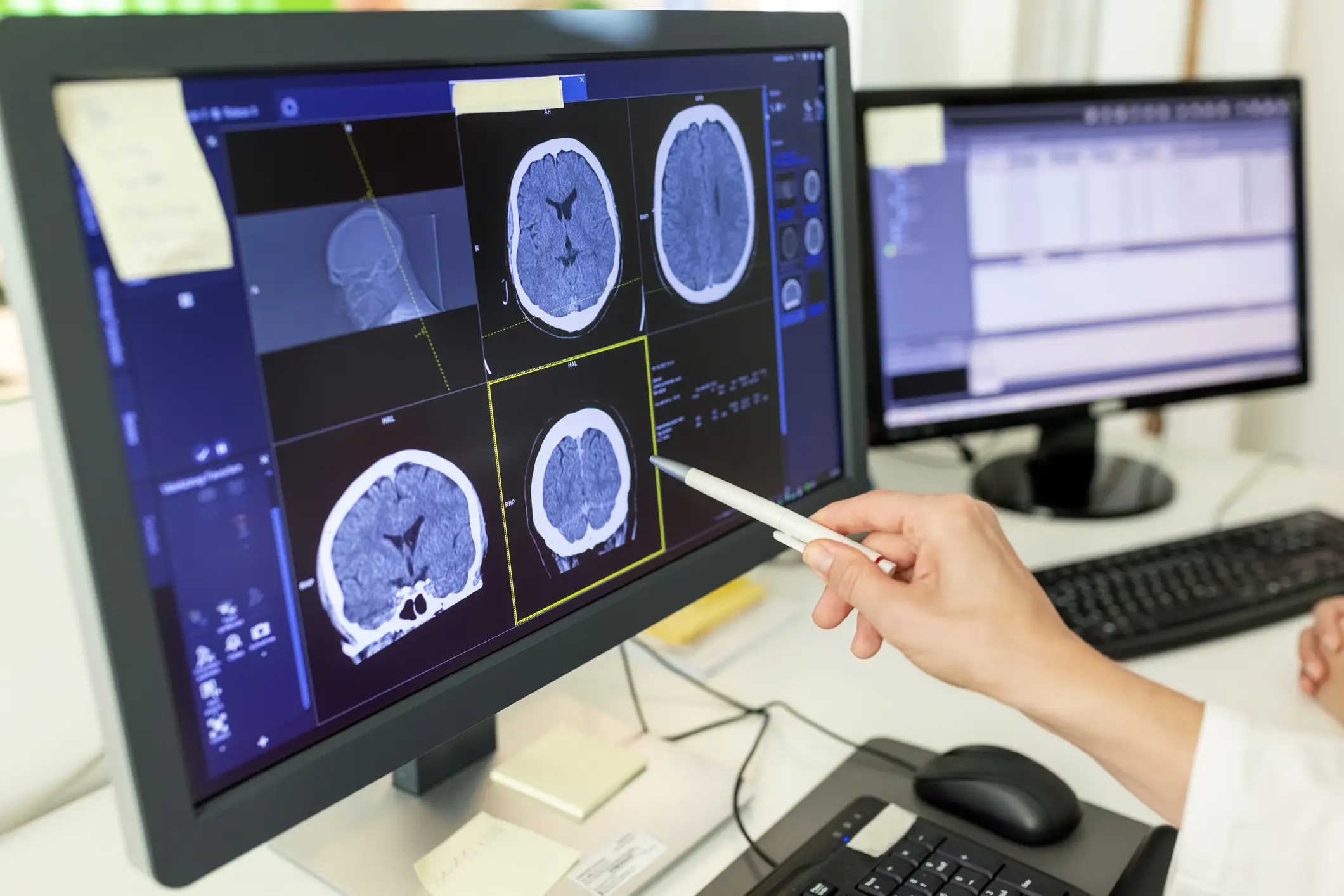
Moreover, it can identify and target up to 40 proteins specific to an individual patient's tumour, which is roughly twice as many as other cancer vaccine approaches being tested in breast and colon cancer.
"Our thinking was that if we could generate a broader range of immune responses against those proteins, then it may lead to a more potent vaccine compared to other vaccine platforms with more limited protein targets," said Tanner M. Johanns, MD, PhD, lead author of the study and an assistant professor in the Division of Oncology in the John T. Milliken Department of Medicine at WashU Medicine.
Most participants in the trial survived for at least two years, and one participant is now cancer-free nearly five years after her diagnosis.
The research team also reported that the vaccine caused no serious side effects.
“We are extremely encouraged by these results,” added Johanns. “This kind of vaccine is a first for glioblastoma, and it is exciting to think how we can leverage this individualised therapeutic DNA cancer vaccine platform to make a positive impact on the lives of patients who are fighting this disease.
He explained: "Additionally, combination therapies leveraging this personalized platform are currently being investigated at WashU to test if outcomes may be improved further.”