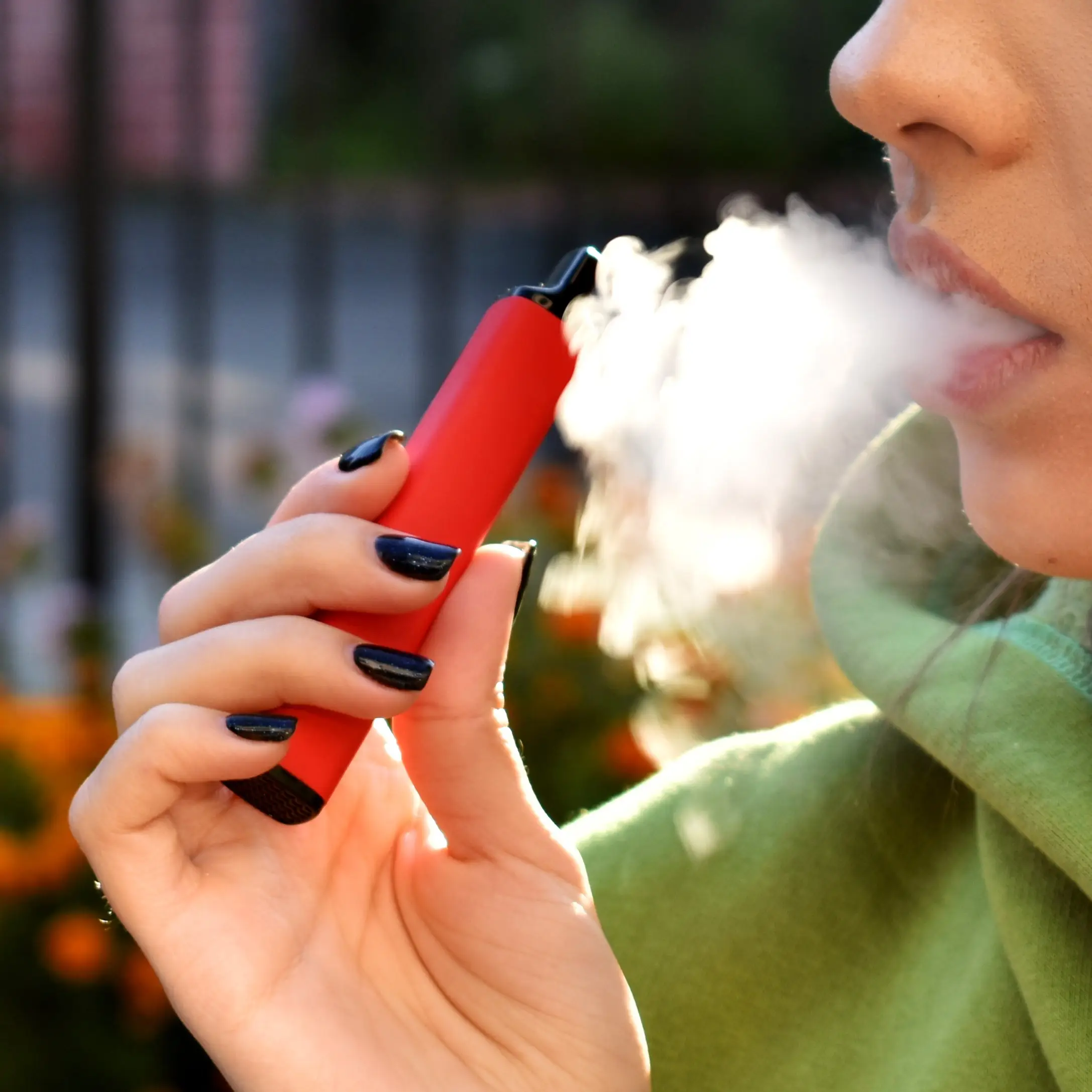
New study links vaping to lung and oral cancer in first investigation of its kind


Warning: This article contains discussion of cancer, which some readers may find distressing.
There were already heightened concerns about what vaping is doing to our bodies, and while some continue to pitch it as a 'healthier' alternative to smoking, it's not exactly a healthy habit to have in the first place.
Alongside the microplastics and harmful chemicals being consumed, the biggest fears are that society hasn't been vaping long enough to know what the lasting effects are. Things are continuously evolving in the health industry, with recent claims that oral sex has overtaken smoking as the biggest risk of oropharyngeal cancer in the UK and the USA. As research continues, there have also been links between vaping and life-threatening diseases, including dementia, heart disease, and organ failure.
Away from fears that vaping is tied to a meningitis outbreak, the latest alarming research claims vaping is a contributing factor to lung and oral cancer, with Sydney's University of New South Wales looking at nicotine-based e-cigarettes from 2017 to 2025. The team of cancer researchers took into account animal studies, human case reports, and laboratory results over the eight-year period and then published their findings. The University of New South Wales says its study was led by cancer researcher Adjunct Professor Bernard Stewart AM, aided by investigators from The University of Queensland, Flinders University, The University of Sydney, as well as Royal North Shore, The Prince Charles, and Sunshine Coast University hospitals.
Advert

There's a warning that studies into cancer causation have focused more on the dangers of smoking rather than what vaping devices could cause on their own.
The research involved Stewart and co. identifying carcinogenic compounds in e-cigarette aerosols, which included volatile organic chemicals and even metals that were released from heating coils.
Prof Stewart noted that although the findings are 'striking', the number of lung and oral cancer cases that can be linked directly to vaping is unclear. Still, he reiterated: "Considering all the findings – from clinical monitoring, animal studies and mechanistic data – e-cigarettes are likely to cause lung cancer and oral cancer.
“Our assessment is qualitative and does not involve a numerical estimate of cancer risk or burden. We’ll only be able to determine the precise risk once longer-term studies are available.”
The university reminds us that while e-cigarettes were first sold in the early 2000s, they arrived in Australia in 2008 and quickly boomed in popularity as they were branded as 'safer' alternatives to cigarettes or as potential quitting aids.
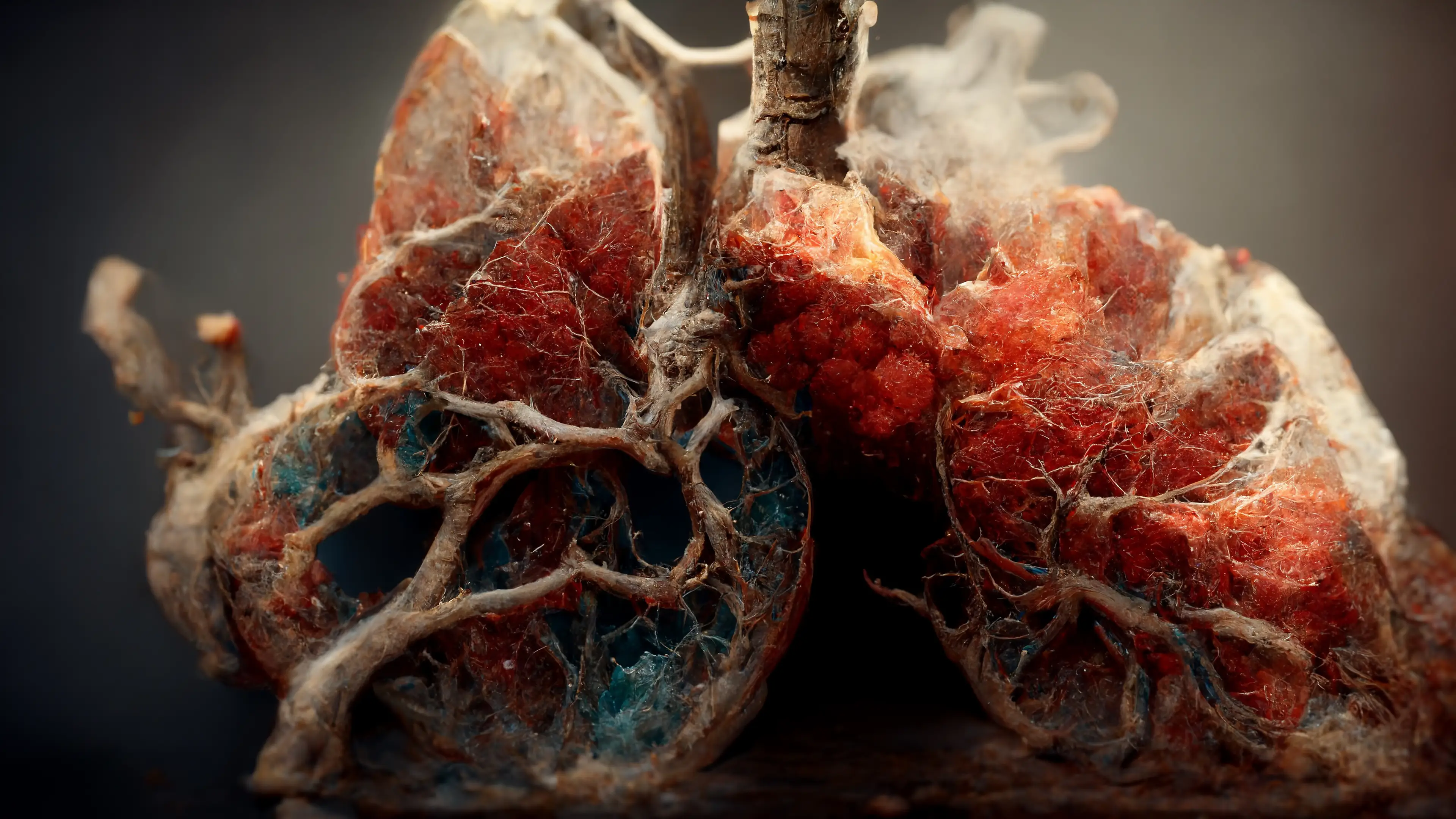
Even though the Australian government has banned disposable and non-therapeutic vapes, co-author UNSW Associate Professor Freddy Sitas has issued a warning: "E-cigarettes are known to be a gateway to smoking and hence cancer.
“But the extent to which they may cause cancer in their own right has not received as much attention in research."
Although the findings are 'unequivocal', Sitas admits it will take decades to figure out the true extent of the damage being done by vapes.
He also suggested that there's increasing evidence that those who switch to vaping also don't stop smoking cigarettes, meaning many end up in a 'dual-use-limbo': "What we do know from recent epidemiological evidence from the USA is that those who both vape and smoke are at an additional four-fold increased risk of developing lung cancer."
There are fears that history is repeating itself, as Stewart and Sitas noted similarities between early evidence that linked smoking to these cancers and what's going on with vaping.
Sitas continued: "Early reports linked smoking to infectious diseases such as tuberculosis, followed by cardiovascular disease, stroke and lung cancer."
With a final PSA, he concluded: "E-cigarettes were introduced about 20 years ago. We should not wait another 80 years to decide what to do."
Those behind the study are urging regulators to take action now instead of waiting decades, like what happened with the clampdown on traditional tobacco-based cigarettes.
If you’ve been affected by any of these issues and want to speak to someone in confidence, contact the American Cancer Society on 1-800-227-2345 or via their live chat feature, available 24/7 every day of the year.